A heartbreaking cyberstalking and extortion case in North Carolina has ended with two people being sentenced to federal prison. The couple admitted to targeting a vulnerable man with an intellectual disability and threatening him in a blackmail scheme that ultimately pushed him to take his own life. The case has drawn national attention and raised serious concerns about online harassment and the exploitation of vulnerable individuals.
North Carolina Couple Sentenced in Cyberstalking Case
A federal judge has sentenced a North Carolina couple for their role in a cyberstalking and extortion scheme that led to a tragic suicide.
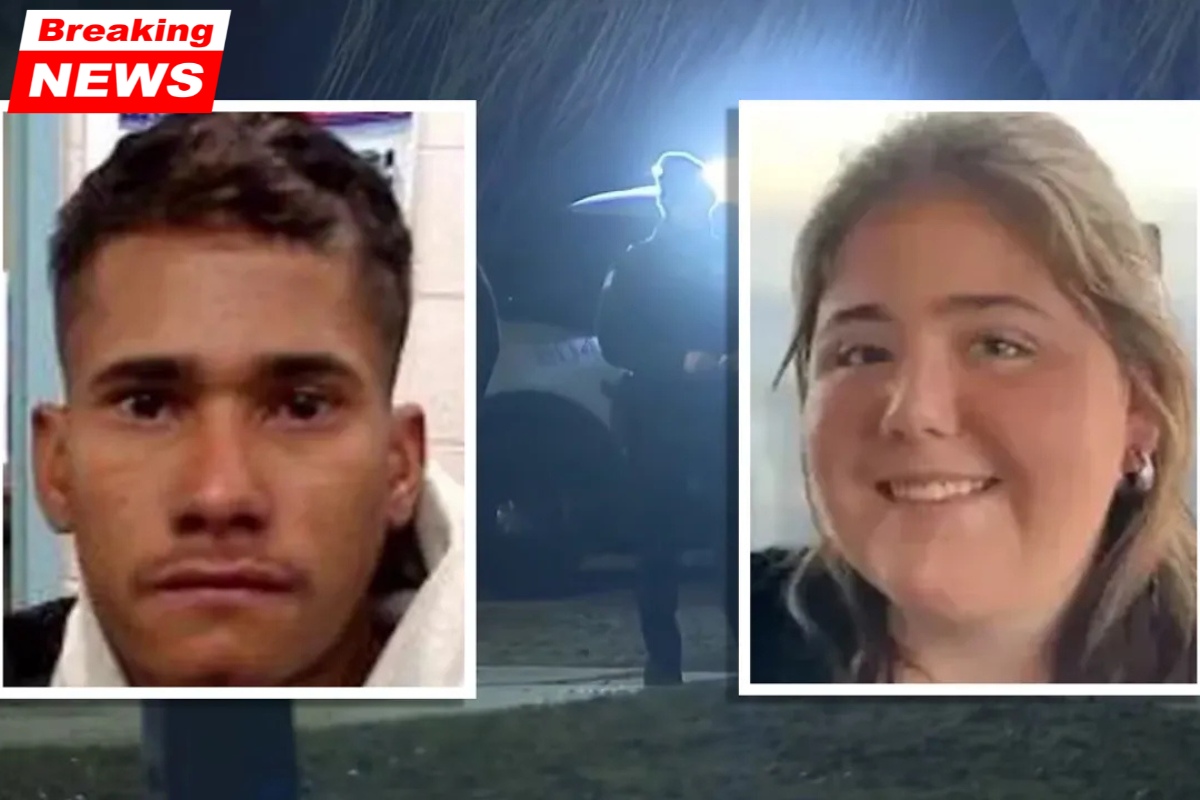
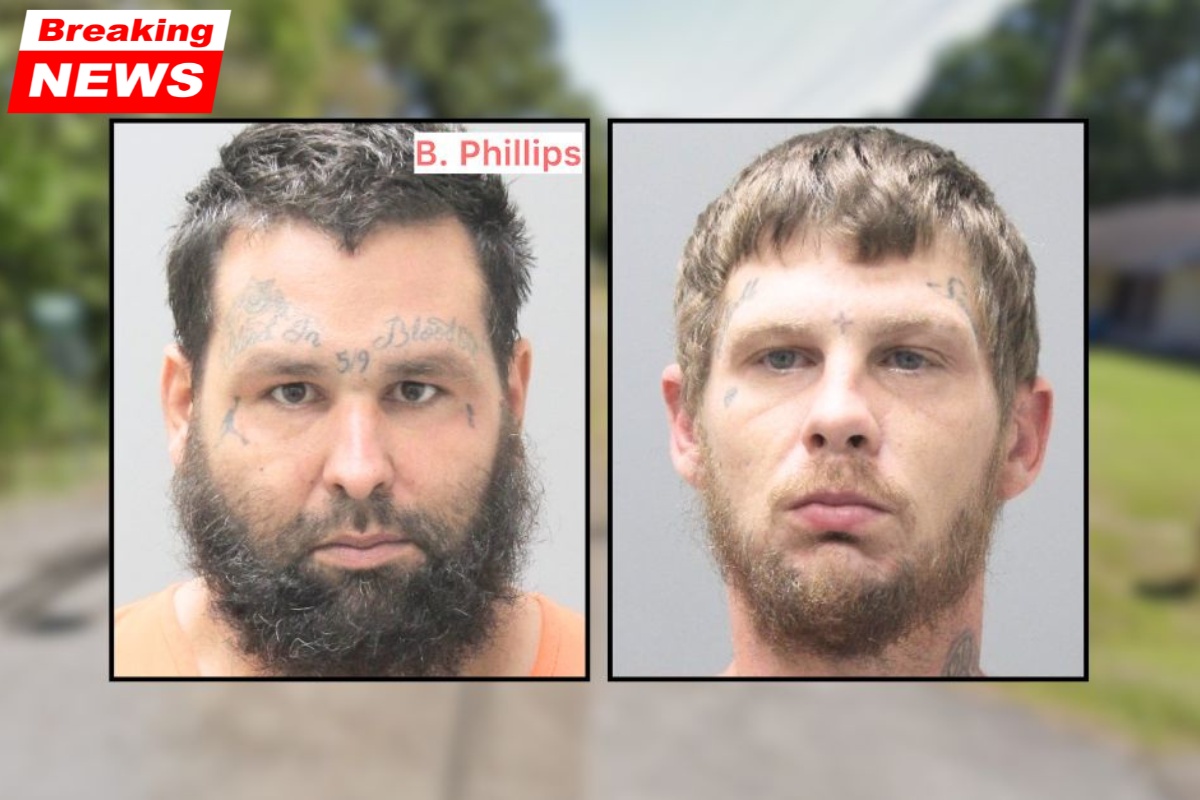
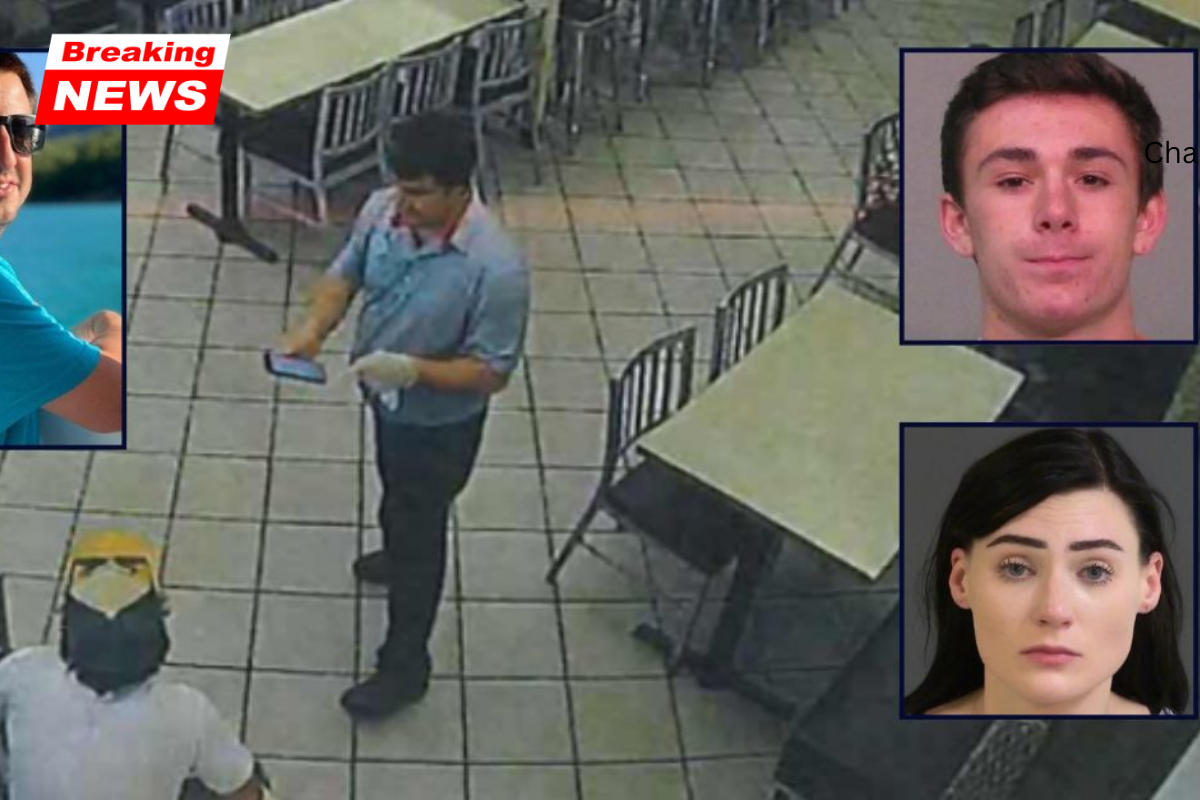
U.S. District Judge Max O. Cogburn Jr. sentenced Trysten Anthony Cullon, 27, to 41 months in federal prison. His co-defendant, Jade Ashlynn Stone, also 27, was sentenced to 27 months in prison.
Both defendants had pleaded guilty to one count of conspiracy to commit cyberstalking.
In addition to prison time, the court ordered both individuals to serve three years of supervised release and pay $26,699.65 in restitution.
Victim Targeted Because of His Vulnerability
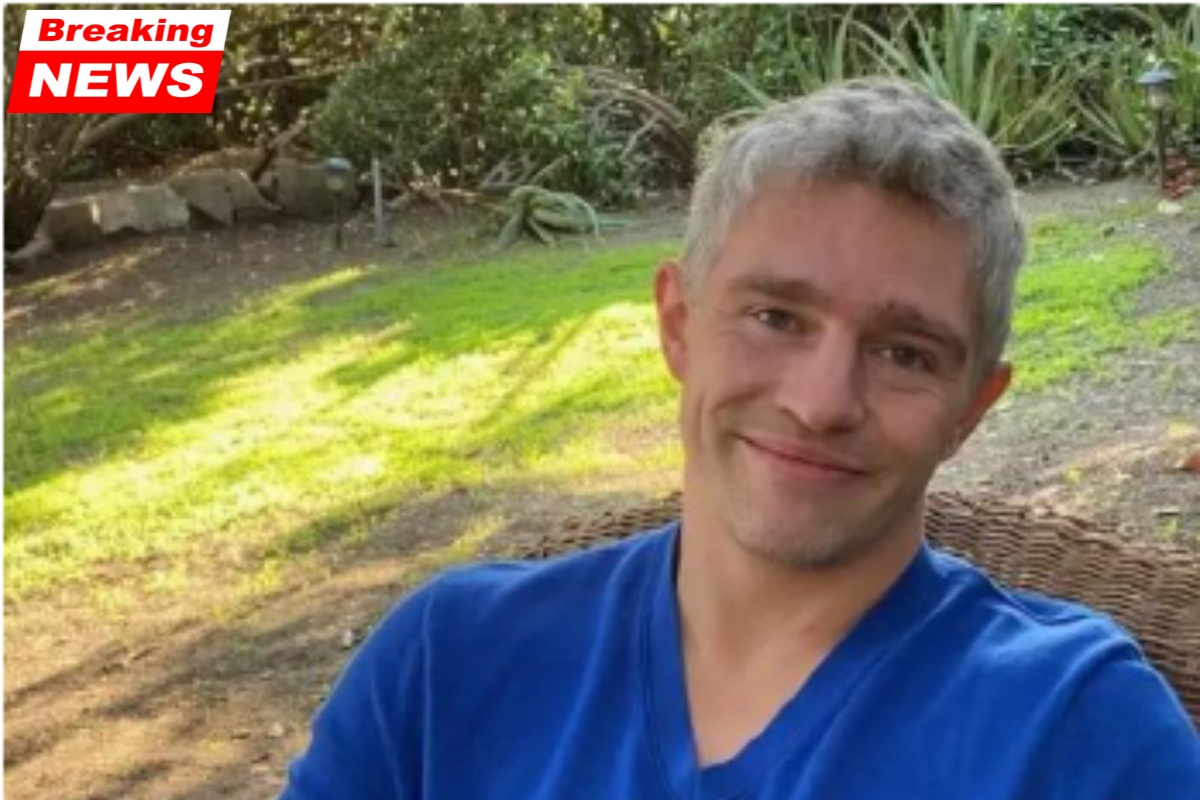
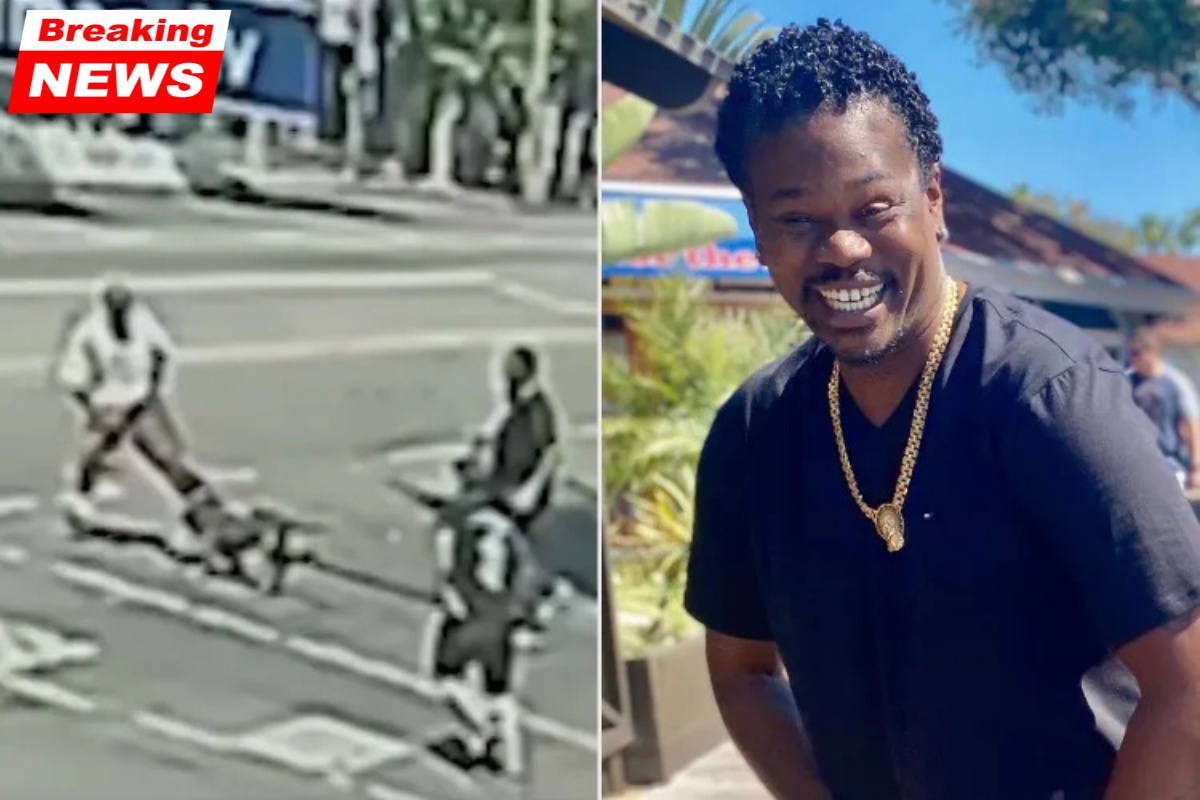
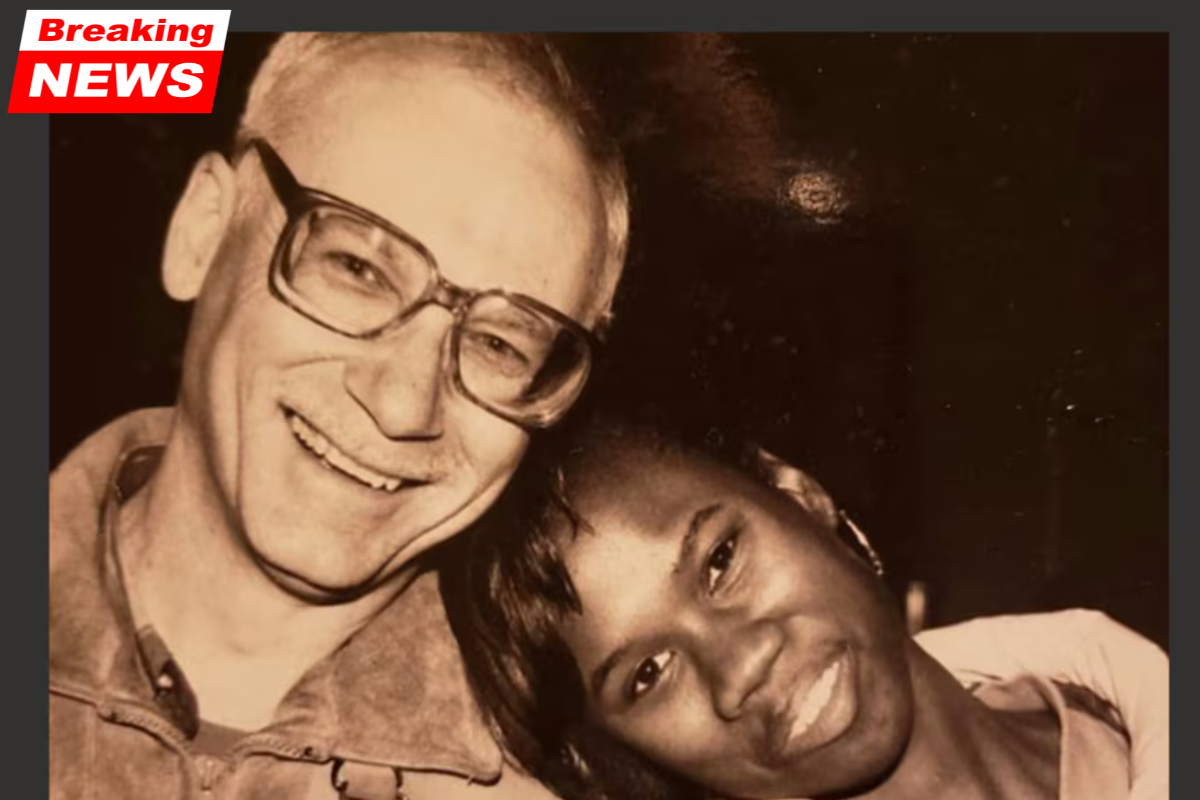
The victim, Christopher John Tsoulos, was a 37-year-old man from Charlotte, North Carolina. According to prosecutors, Tsoulos had an intellectual disability and depended heavily on his family for support.
Authorities said the defendants intentionally targeted him because they believed he was vulnerable and easier to manipulate.
FBI Special Agent in Charge Reid Davis strongly criticised the defendants’ actions, saying they deliberately tormented a man with disabilities for financial gain.
Officials said the harassment had devastating consequences for Tsoulos and his family.
How the Blackmail Scheme Began
Court documents reveal that the scheme started on September 5, 2024.
Cullon approached Tsoulos while he was working at a Chick-fil-A restaurant in Charlotte. At around 4:52 p.m., Tsoulos allowed Cullon to use his cellphone.
Within minutes, Cullon sent messages from the phone to Stone, asking her to pick him up urgently. After sending the messages, Cullon left the restaurant and returned to Stone’s vehicle in the parking lot.
Investigators later discovered that the pair had already prepared for the scheme earlier that day by creating a new Gmail account and a Cash App account.
Access to Victim’s Financial Accounts
Because Tsoulos’ phone was unlocked, Cullon and Stone were able to access several financial applications on the device.
Prosecutors said they attempted to transfer money using the victim’s accounts, including:
- Cash App
- PayPal
- His personal bank account
However, the unauthorized financial transfers failed.
When the plan to steal money directly did not work, the defendants escalated their actions and began threatening the victim and his family.
Threats and Harassment Sent to Family
Using the victim’s phone, Cullon and Stone began sending disturbing messages to Tsoulos’ relatives and contacts.
The messages falsely accused Tsoulos of being a “pervert” and threatened to expose humiliating allegations to his employer and family members.
One threatening message warned that unless money was paid, the sender would ruin the victim’s reputation and embarrass his family.
The defendants demanded $300 through Cash App to stop the accusations.
Additional threats included false claims that the victim was harassing women, visiting brothels, and engaging in illegal sexual activities.
Harassment Campaign Lasted Only Days
Although the harassment lasted just a few days, prosecutors said it had severe emotional consequences.
The cyberstalking campaign took place between September 5 and September 8, 2024.
On September 8, Tsoulos died by suicide on the front steps of his home in Charlotte. His father discovered his body the following morning.
Authorities said the relentless harassment and threats contributed to his tragic decision.
Motivation Behind the Crime
Federal prosecutors stated that the defendants targeted Tsoulos for financial gain.
Investigators also revealed that Cullon and Stone were struggling with drug addiction and used the scheme in an attempt to obtain money.
U.S. Attorney Russ Ferguson said the case had a powerful emotional impact on everyone involved.
According to Ferguson, there “was not a dry eye in the courtroom” when the sentences were announced.
Community Mourning the Victim
The sentencing hearing drew strong support from the victim’s family and community.
More than 60 friends and relatives attended the hearing, while many others waited outside the courtroom.
Tsoulos was remembered by loved ones as a kind and compassionate person who brought joy to those around him.
According to his obituary, he spent many years helping run John’s Family Restaurant and later worked as a host at Chick-fil-A, where he enjoyed welcoming customers and making people feel valued.
Family members described him as someone with a generous heart who always cared about others’ happiness.