A pair of violent incidents in Latin America disrupted key tourist destinations on the same day, raising new concerns about traveler safety in two of the region’s most visited countries. Separate incident in Mexico and Brazil highlighted how quickly isolated security breaches can impact confidence in major tourism hubs.
Both countries rely heavily on tourism, and while such incidents are relatively rare in major tourist zones, their timing and visibility have drawn international attention.
Deadly Shooting at Teotihuacan Shocks Visitors
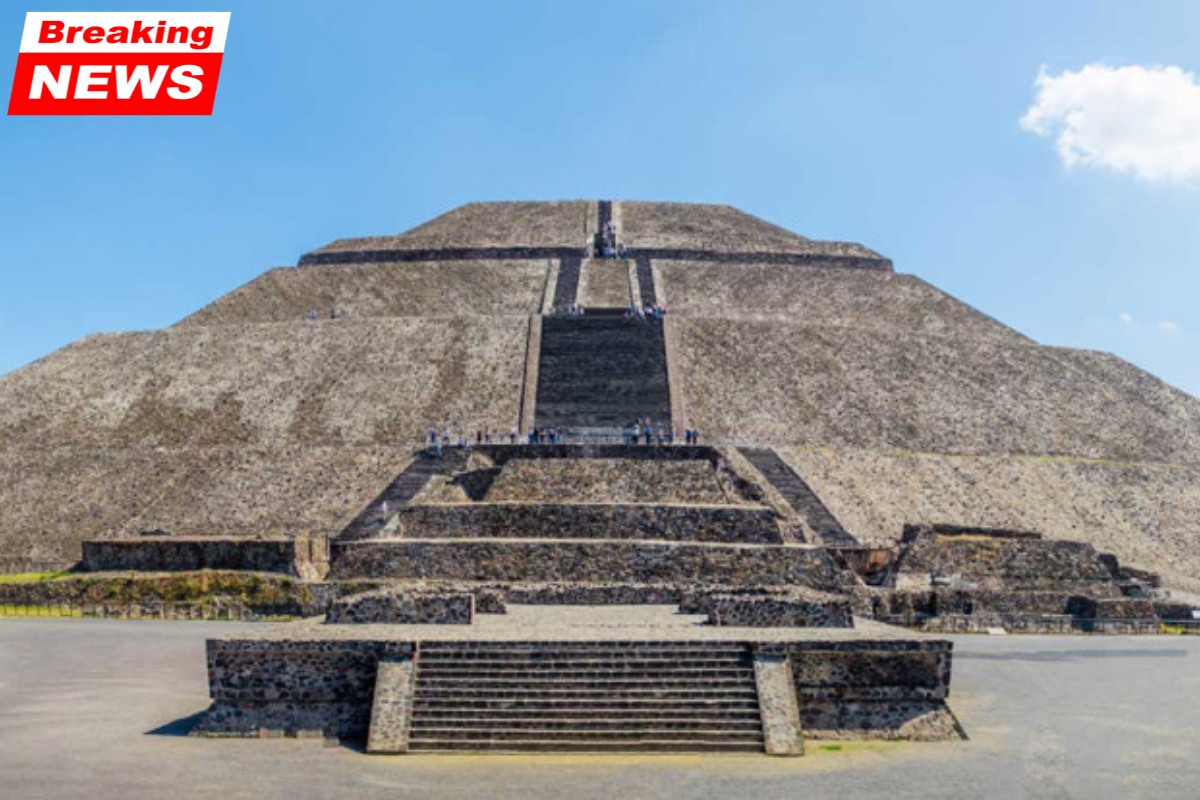
Gunfire broke out at Teotihuacan, one of the country’s most iconic archaeological sites located just outside Mexico City. The ancient city, known for landmarks like the Pyramid of the Sun, attracts millions of visitors each year.
Authorities confirmed that multiple people were injured and at least two people were killed in the shooting. Among the victims was a Canadian tourist, adding an international dimension to the tragedy.
The incident caused panic among visitors, many of whom fled the area as shots were fired. Videos circulating on social media showed chaotic scenes as tourists scrambled for safety.
Security forces at both the federal and local levels were quickly deployed to secure the site and begin an investigation. Officials have not yet clarified the motive or the exact circumstances behind the shooting.
A Rare Breach in a Key Tourist Zone
Teotihuacan has long been considered one of the safest major tourist attractions in Mexico. Unlike regions affected by cartel-related violence, the site has typically been viewed as secure and well-monitored.
This incident marks a rare breach of that reputation. It comes at a time when Mexico has been actively working to reassure international visitors about safety, particularly as tourism remains a major economic driver.
Events like this can have an outsized impact, especially when they occur in globally recognized destinations that are usually seen as safe.
Tourists Trapped During Police Operation in Brazil
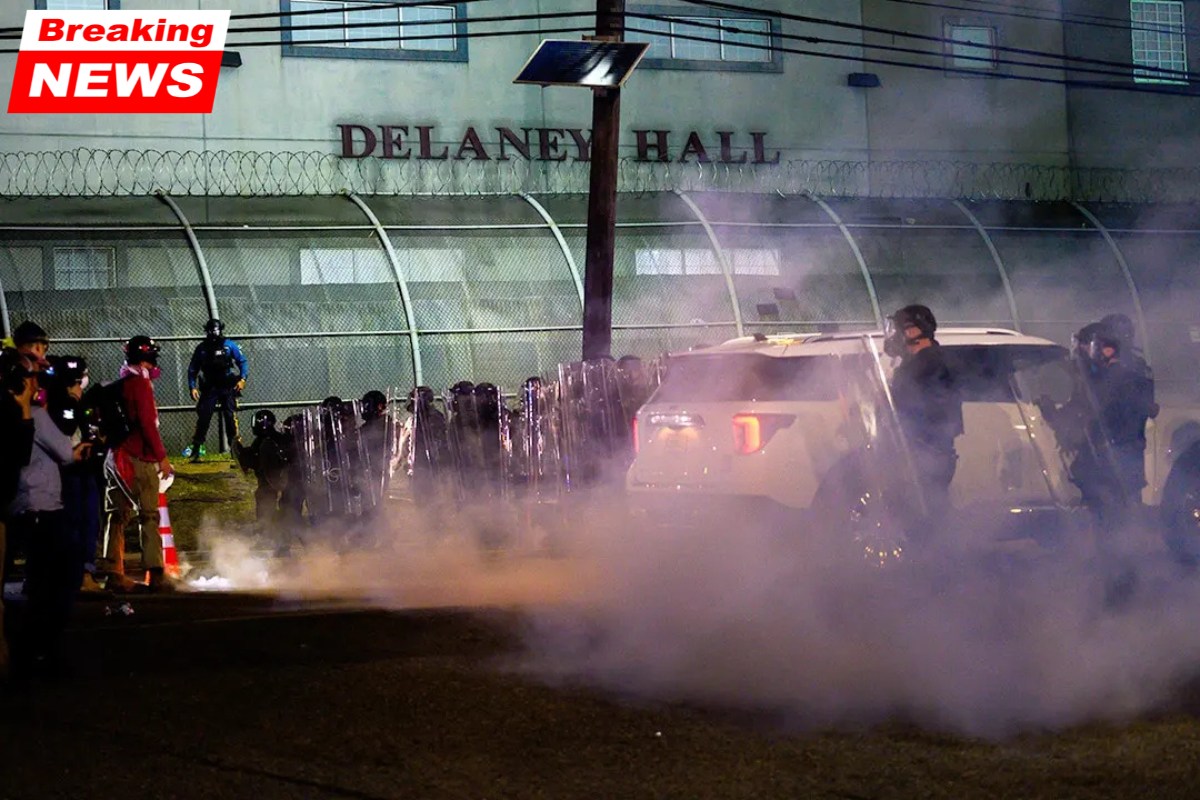
At nearly the same time, a separate high-tension situation unfolded in Rio de Janeiro, where around 200 tourists were temporarily stranded during a police operation in the Vidigal community.
The group was hiking near Morro Dois Irmãos, a popular trail known for its scenic views, when a police operation targeting suspected drug trafficking activity escalated into a shootout.
Authorities closed access routes to the area, leaving visitors stuck on the trail for hours as gunfire echoed nearby. Images shared online showed tourists waiting anxiously while law enforcement worked to secure the situation.
Fortunately, no tourist injuries were reported, but the incident highlighted how close some tourist routes are to areas affected by organized crime.
Ongoing Security Challenges in Tourist Areas
Brazilian officials later said the operation was part of a broader effort to dismantle criminal networks operating in the region. Communities like Vidigal, along with other favelas in Rio, have experienced periodic violence linked to clashes between rival groups and security forces.
While many of these areas have also become popular with tourists in recent years, the overlap between tourism and active law enforcement zones creates unpredictable risks.
Impact on Tourism and Global Perception
| Issue | Mexico Incident | Brazil Incident |
|---|---|---|
| Location | Teotihuacan archaeological site | Vidigal, Rio de Janeiro |
| Nature of Event | Shooting with fatalities | Police operation and shootout |
| Tourists Affected | Visitors fled, casualties reported | ~200 tourists stranded |
| Injuries/Deaths | Multiple injured, 2 dead | No tourist injuries reported |
| Key Concern | Safety at major tourist landmark | Proximity to crime-affected areas |
Tourism is a critical part of the economy in both Mexico and Brazil, generating billions in revenue and supporting millions of jobs. Because of this, even isolated incidents can have a wide ripple effect.
Such incident often influence:
- Traveler perception and confidence
- International media coverage
- Government travel advisories
Even when incidents are not widespread, their visibility can shape how safe a destination feels to potential visitors.
The incidents in Teotihuacan and Rio de Janeiro serve as a reminder of the delicate balance Latin America faces in maintaining its appeal as a global tourism destination while dealing with ongoing security challenges.
While both events appear to be isolated, their impact is significant due to where they occurred and how quickly the scenes spread online. For travelers, these moments can reshape perceptions overnight.
Authorities in both countries are now focused on investigations and restoring confidence. For now, the events highlight a simple reality: even in well-known and heavily visited destinations, unexpected risks can still emerge.