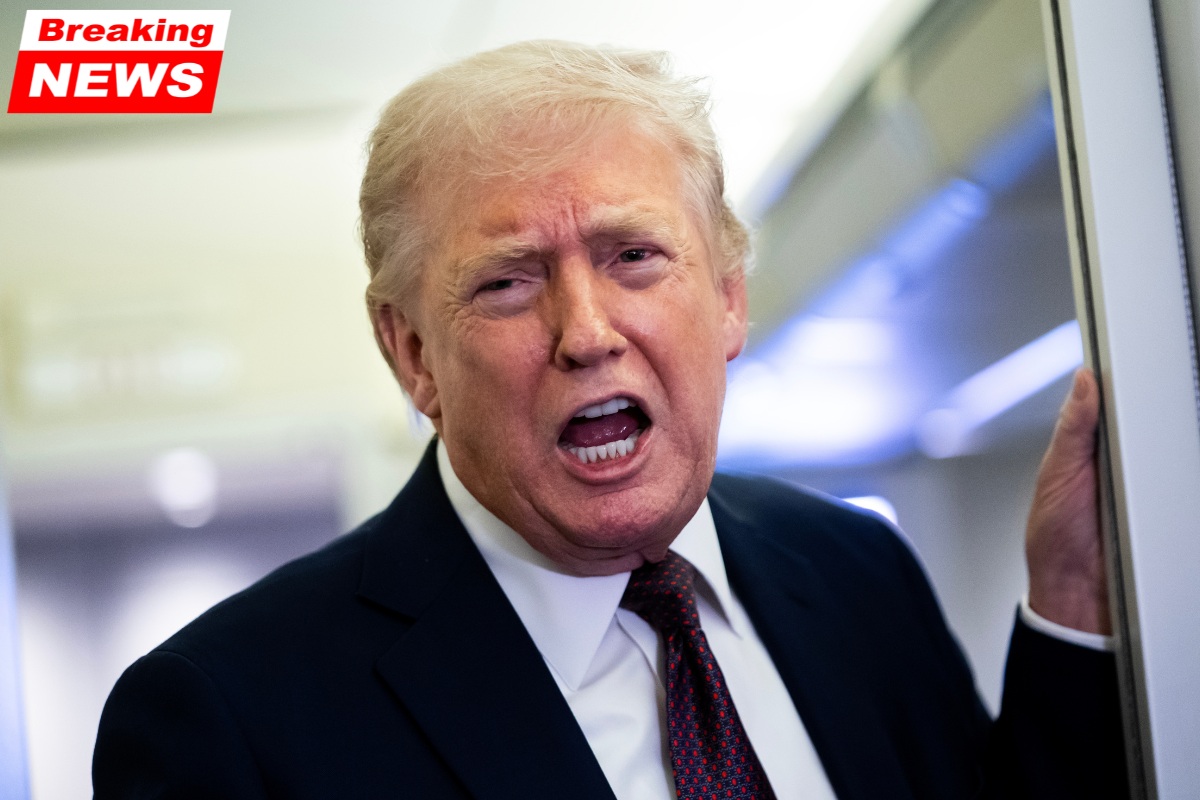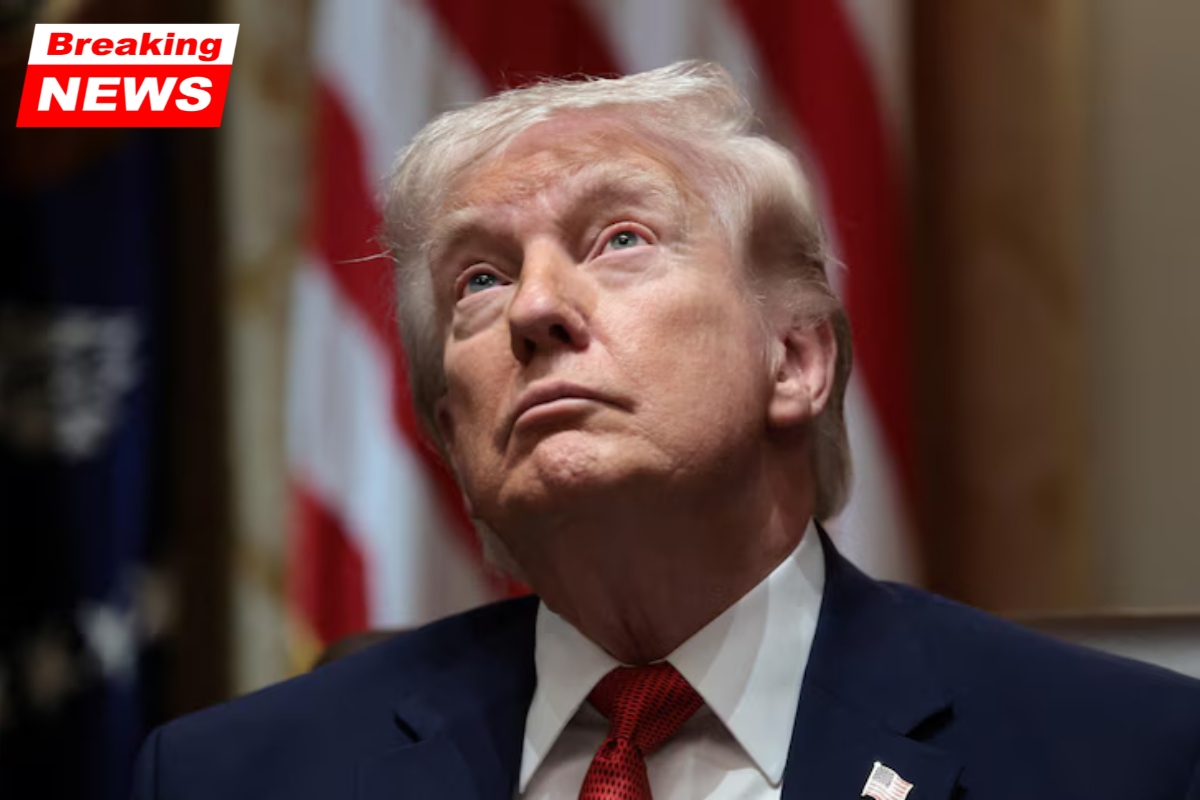
President Donald Trump has intensified his rhetoric against Iran, threatening severe retaliation if the country does not reopen the Strait of Hormuz. In a fiery Truth Social post on Sunday, Trump warned Iran that if the strait is not opened, it would result in devastating consequences for the country’s infrastructure, including power plants and bridges.
His message, filled with profanity and aggression, further raised tensions in the already volatile situation.
Trump’s Threats and Aggressive Language
In his post, Trump declared, “Tuesday will be Power Plant Day, and Bridge Day, all wrapped up in one, in Iran. There will be nothing like it!!! Open the F—in’ Strait, you crazy bastards, or you’ll be living in Hell – JUST WATCH! Praise be to Allah. President DONALD J. TRUMP.” This stark warning came after Trump had previously threatened to unleash “all hell” on Iran if they failed to comply with U.S. demands.
Trump’s angry messages were aimed at Iran’s continued blockage of the Strait of Hormuz, a crucial waterway for global oil trade, which has been effectively closed since late February due to escalating conflict.
The blockage has already led to rising oil prices, exacerbating the economic impact of the conflict. The President has set a self-imposed deadline for Iran to reopen the strait, with only 48 hours remaining as of his Sunday post.
The U.S. and NATO Allies’ Tensions Over the Strait
Trump has been particularly vocal in his anger at NATO countries that depend on energy exports from the Strait of Hormuz. As the conflict continues, Trump has urged U.S. allies to take a more aggressive stance in the region. However, many of these nations have taken a more cautious approach.
For example, the United Kingdom convened 41 countries on Thursday to discuss ways to reopen the strait, but they have placed the blame on Iran for holding the global economy “hostage.” In contrast, U.S. allies, including French President Emmanuel Macron, have criticized Trump’s actions, particularly the U.S.-Israeli joint military operations. Macron expressed frustration with the lack of planning to keep the strait open and the lack of consultation with European allies prior to the strikes.
Macron emphasized, “They cannot then complain about not being supported in an operation they decided on their own. It is not our operation.” This statement reflects the growing divide between the U.S. and its European allies, particularly in relation to military operations in Iran and the handling of the Strait of Hormuz situation.
Military Action Against Iran’s Infrastructure
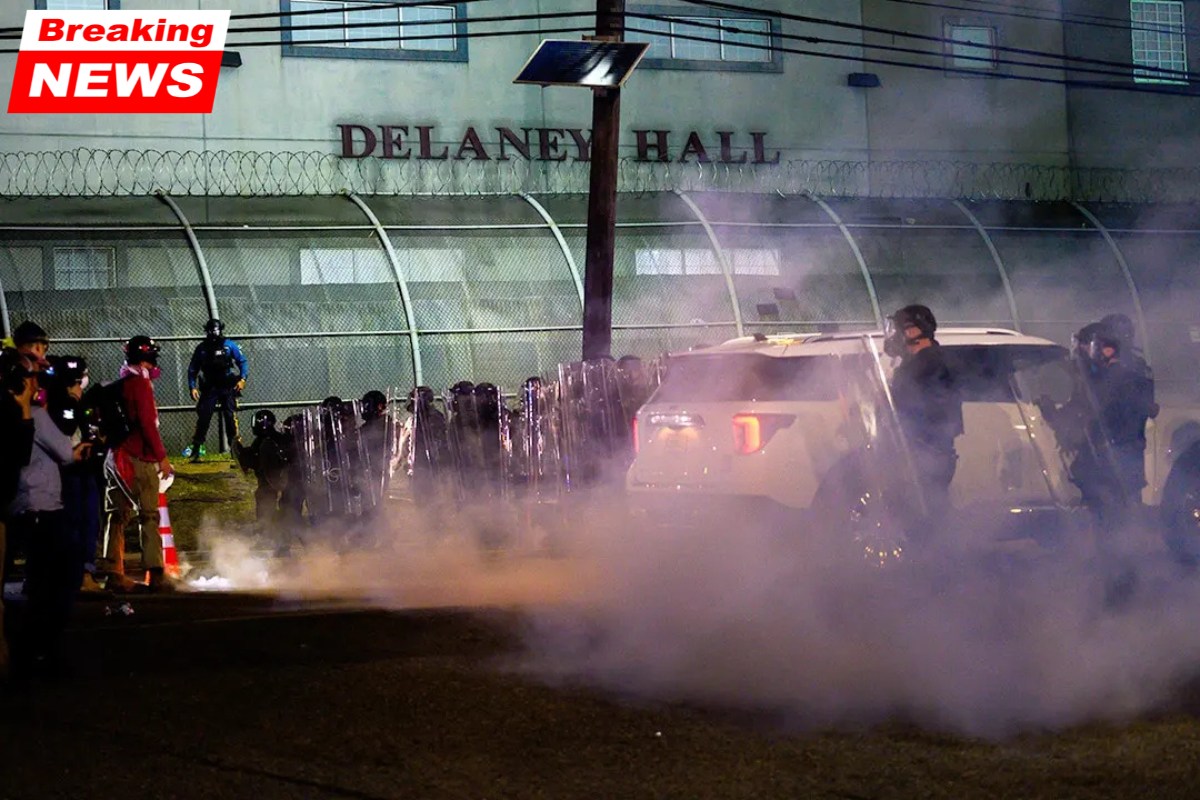
The U.S. military’s involvement in the conflict has already resulted in significant damage to Iran’s infrastructure. Last Thursday, a U.S. military strike targeted the B1 bridge in north-central Iran. According to U.S. defense officials, the attack aimed to eliminate a planned military supply route crucial for Iran’s ballistic missile and drone forces.
Trump shared footage of the aftermath of the attack, which appeared to show the bridge being hit multiple times. This strike is just one example of the U.S. escalating its military actions in the region, with more potential strikes threatened depending on Iran’s response regarding the Strait of Hormuz.
International Reactions and Calls for De-Escalation
While Trump’s rhetoric continues to be aggressive, other nations have called for de-escalation. The situation is particularly sensitive as the closure of the Strait of Hormuz affects not only Iran and the U.S. but also other global powers. The United Kingdom, France, and other nations have called for diplomatic solutions rather than military escalation, emphasizing the need for dialogue and international cooperation to resolve the crisis.
A Volatile Situation
The conflict over the Strait of Hormuz remains a critical flashpoint in U.S.-Iran relations, with Trump’s latest threats further escalating tensions. As the self-imposed deadline for reopening the strait approaches, the international community watches closely to see how both Iran and the U.S. will respond. With military actions already underway and diplomatic solutions uncertain, the situation remains fraught with the potential for further violence.
Summary Table
| Key Event | Details |
|---|---|
| Trump’s Threat | President Trump threatens Iran with destruction of infrastructure if the Strait of Hormuz is not reopened |
| Self-Imposed Deadline | 48-hour deadline for Iran to open the Strait of Hormuz |
| NATO Allies’ Approach | UK leads diplomatic efforts, while France criticizes U.S. actions |
| U.S. Military Strike | U.S. targets B1 bridge in Iran to eliminate military supply route |
| Tensions with European Allies | Macron criticizes Trump’s unilateral actions and lack of coordination |
| Oil Prices Impact | Rising oil prices due to the conflict and closure of the Strait |