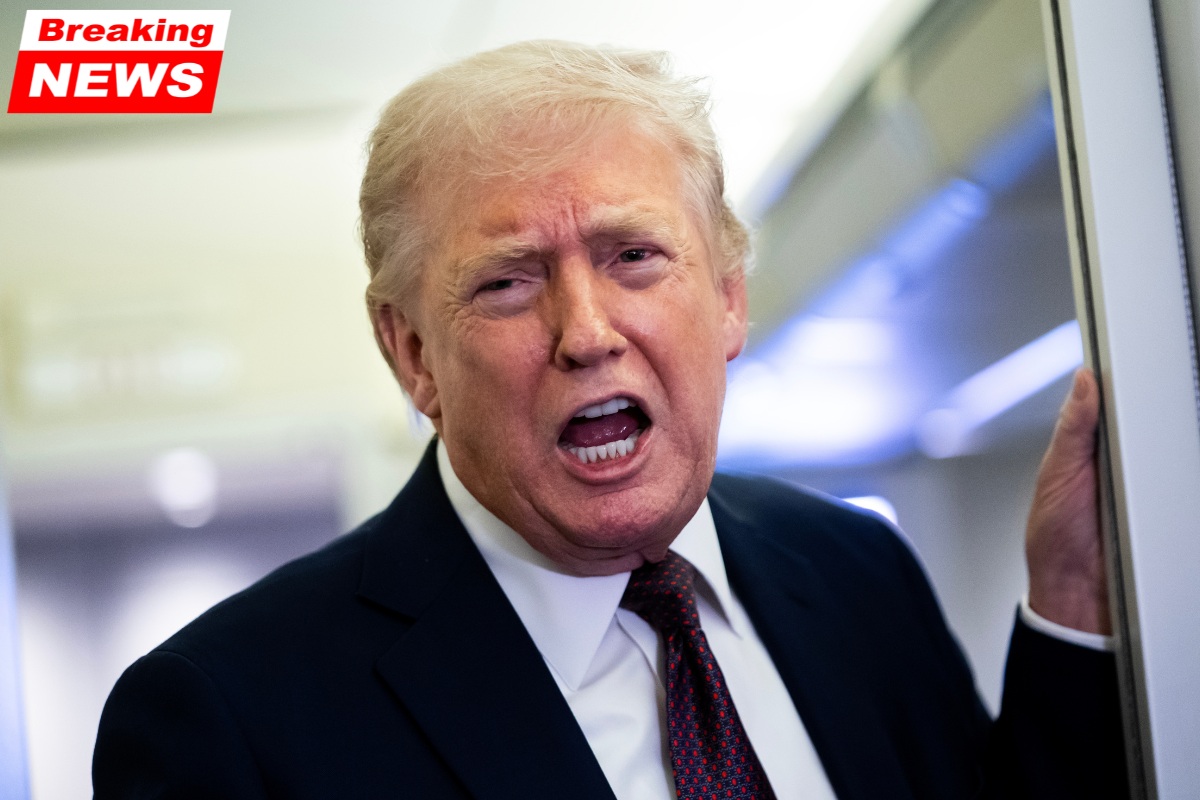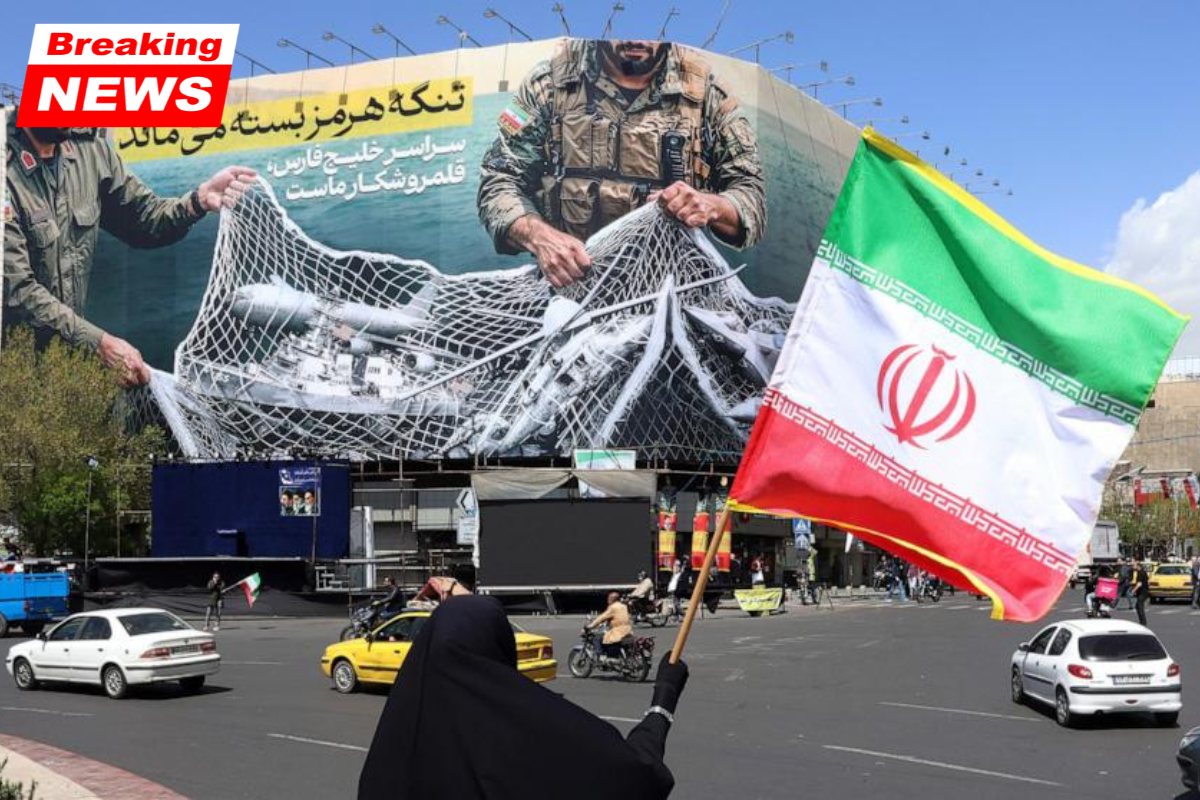
The recent escalation between the United States and Iran has been a source of significant concern for global politics. In an exclusive interview with ABC News, President Donald Trump issued a stern warning to Iran, stating that if no peace deal is reached within 48 hours, “we’re blowing up the entire country.” This declaration came after Trump was questioned about his previously set timeline for reaching a deal with Iran.
Trump’s Threat to Iran
President Trump emphasized that the situation had become critical, urging that a solution should be reached “in days, not weeks.” He claimed that Iran had already been severely weakened, stating that “every day is going to get worse.”
He further threatened that if Iran failed to comply with the demands to open the Strait of Hormuz, there would be devastating consequences, which he referred to as “Bridge Day” and “Power Plant Day” for Iran.
Trump reiterated his ultimatum, giving Iran 48 hours to agree to a peace deal or face further consequences. In his statements, he warned that failure to comply would lead to catastrophic damage in Iran’s infrastructure, specifically targeting bridges and power plants.
Diplomatic Efforts and Reactions
Trump’s ultimatum has sparked reactions both in the U.S. and internationally. On March 26, he extended the deadline for Iran to comply, shifting it to 8 p.m. ET on Tuesday. While some believe that negotiations between the U.S. and Iran are progressing, Trump indicated that a failure to reach an agreement might lead to an escalation of military actions.
Iran, however, has expressed resistance to the terms set by the U.S., and Iranian officials have dismissed claims of negotiations. Iranian Foreign Minister Abbas Araghchi described the Strait of Hormuz as a strategic asset, reiterating that Iran would only allow non-hostile vessels to pass through. This position underlines the deep-seated animosity and mistrust between the two nations.
Iran’s Position on the Strait of Hormuz
The Strait of Hormuz remains a crucial passageway for global oil trade, and its control has been a significant point of contention. Iran’s leadership has emphasized that the strait is open to “non-hostile” countries, but ships from nations like the U.S. and Israel are blocked.
Iran has previously attacked ships it deems hostile, including an alleged attack on the Israeli-linked MSC Ishyka container ship near the Strait.
Despite ongoing tensions, Iran did allow some tankers flagged under Pakistan’s jurisdiction to pass through the strait as a goodwill gesture. However, this act has done little to ease the underlying conflict.
International Reactions and the Role of Pakistan
In light of the growing tension, Pakistan has played a diplomatic role, attempting to mediate between the U.S. and Iran. Pakistan’s efforts were acknowledged by Iran’s foreign ministry, and the Iranian government has indicated that it is open to talks if the terms are right. However, Tehran remains adamant about its strategic interests in the Strait of Hormuz and its unwillingness to yield to what it perceives as U.S. demands.
Trump’s War Rhetoric and Its Impact
In his speech, Trump claimed that the U.S. would soon bring Iran “back to the Stone Ages” if a deal was not struck. This rhetoric has further inflamed tensions, and critics have warned that such language could escalate the situation into a full-scale conflict.
Iran’s response to this statement, via Araghchi, pointed out the critical importance of oil in the region, suggesting that turning back the clock would be unfeasible given the modern global reliance on Middle Eastern energy resources.
The Broader Implications of a Military Conflict
A military confrontation between the U.S. and Iran would have catastrophic implications for regional stability. The U.S. has already made significant military deployments to the Middle East, but any full-scale conflict would likely draw in multiple nations, further destabilizing the region.
The global economy, heavily reliant on oil exports from the region, would also feel the impact, potentially leading to higher oil prices and disruptions in global trade.
Summary Table
| Key Event | Details |
|---|---|
| Trump’s Ultimatum | 48 hours for Iran to reach a deal or face devastating consequences |
| Iran’s Response | Denied ongoing negotiations and reaffirmed control over the Strait of Hormuz |
| Diplomatic Involvement | Pakistan mediating between the U.S. and Iran |
| Key Deadline | March 26, 8 p.m. ET, extended from the original deadline |
| Military Threats | Trump threatened significant infrastructure damage in Iran |
| Iran’s Position on Hormuz | Strait open only to non-hostile nations, blocked U.S. and Israeli ships |
| Potential Global Impact | Higher oil prices, regional instability, and broader military escalation |
The situation between the U.S. and Iran remains dire, with high stakes for both countries and the broader international community. President Trump’s ultimatum puts immense pressure on Iran, but it also raises the risk of escalating into an uncontrollable conflict.
Diplomatic efforts, led by countries like Pakistan, are crucial to preventing further violence. As the deadline looms, the world watches closely to see if a peaceful resolution can be reached, or if the situation will spiral further out of control.