A fresh political debate has started in the United States over a long-standing policy that supports blind workers. Senate Democrats are now asking the government to reconsider a decision that could reduce job opportunities for people with disabilities.
What the Policy Change Is About
The issue centres around a decision by the US Department of Education to remove a special preference given to blind vendors working in Army dining facilities. This policy has been in place since the 1930s under the Randolph-Sheppard Act, which was created to help blind individuals get fair job opportunities.
Under this rule, blind vendors were given priority to run cafeterias and dining services on military bases. The idea was to reduce discrimination and provide stable employment.
Now, the administration under Donald Trump wants to end that priority. Officials argue that the system has caused problems related to cost and efficiency, although detailed evidence has not been publicly shared.
Democrats Raise Strong Objections
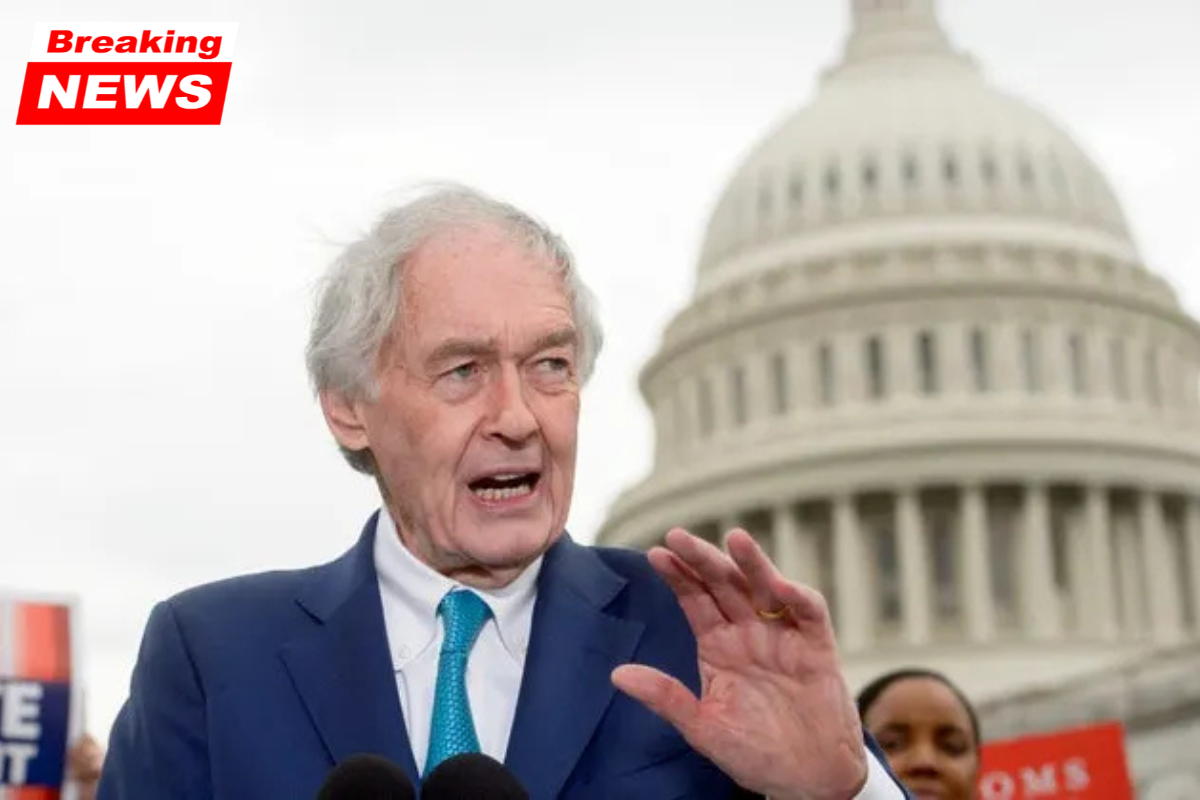
Ed Markey has led the criticism against this move. In a letter to Linda McMahon, he said the decision could harm blind entrepreneurs and reduce their ability to serve military personnel.
He also pointed out that this change could affect multiple contracts across Army bases and may reverse decades of progress made in supporting workers with disabilities. According to him, instead of reducing such opportunities, the government should be expanding them.
Markey has also asked the administration to provide proof that the current system is harming Army operations, something he says has not been clearly shown.
Why the Government Wants the Change
Supporters of the policy change, including Daniel Driscoll, believe the existing rule has been misused over time. They argue that giving automatic preference may lead to higher costs and less efficient operations.
Driscoll has claimed that the policy sometimes forces the government to prioritise vendors based on disability rather than performance, which could affect how contracts are awarded.
However, these claims have been challenged by several organisations that represent blind workers.
Concerns from Disability Groups
Groups like the National Federation for the Blind strongly oppose the change. They say blind vendors have successfully managed complex operations, including military dining services, for many years.
Leaders from these groups warn that removing the preference could threaten livelihoods and undo nearly 90 years of progress. They also argue that the program has consistently delivered both economic opportunities and quality service.
Part of a Bigger Policy Shift
This decision is also being seen as part of a larger shift in government policy. The Trump administration has already taken steps to roll back certain programs related to diversity, equity, and inclusion.
Critics believe that weakening the Randolph-Sheppard program fits into this broader pattern of reducing support for underrepresented groups. Some even point to earlier attempts to cut roles connected to the program as a sign of long-term changes.
What Happens Next
For now, the policy change is facing political pressure and could be challenged further. Since the Randolph-Sheppard Act is still a law, any major changes to its implementation may lead to legal or legislative action.
The debate is likely to continue, especially as it touches on both employment rights and government spending.
The controversy over the Army’s vendor policy highlights a deeper issue about balancing efficiency with equal opportunity. While the government argues for cost and performance improvements, critics fear the move could reduce opportunities for people with disabilities.
This is not just about contracts or policies—it is about how society chooses to support inclusion and fairness. As discussions continue, the outcome will play an important role in shaping future employment policies for disabled individuals in the United States.