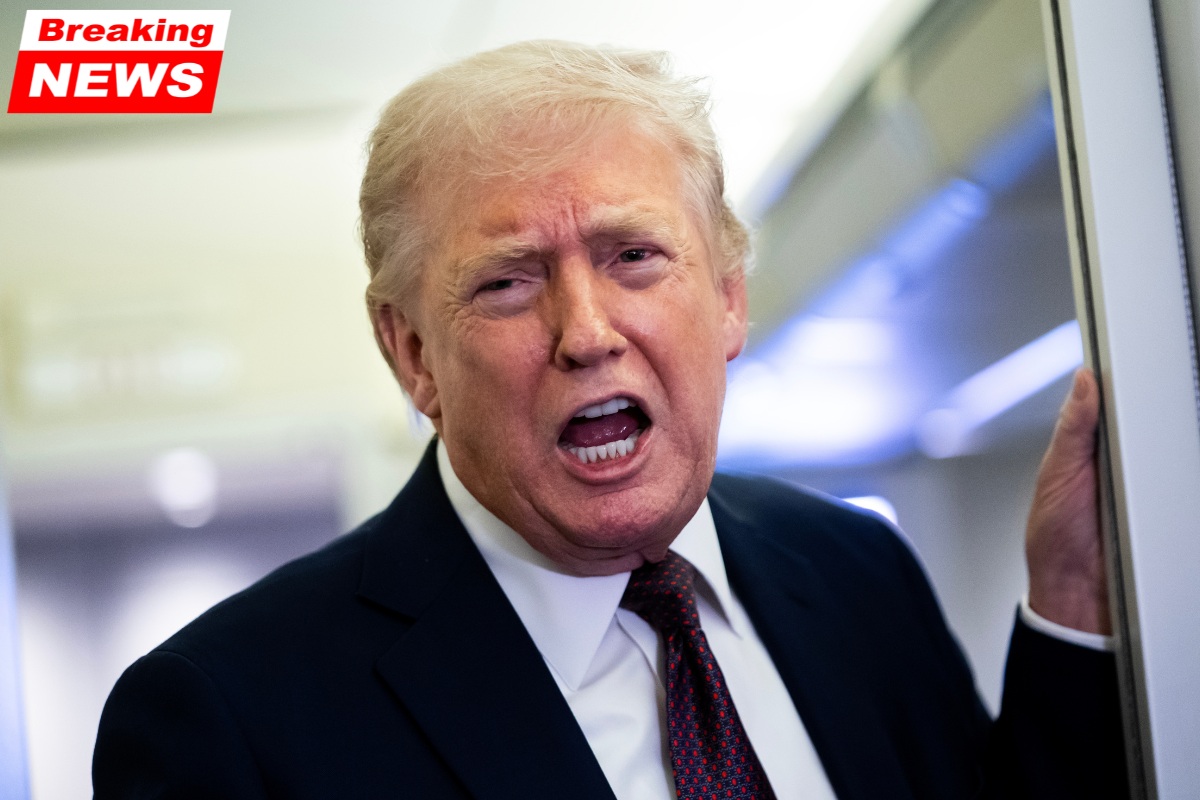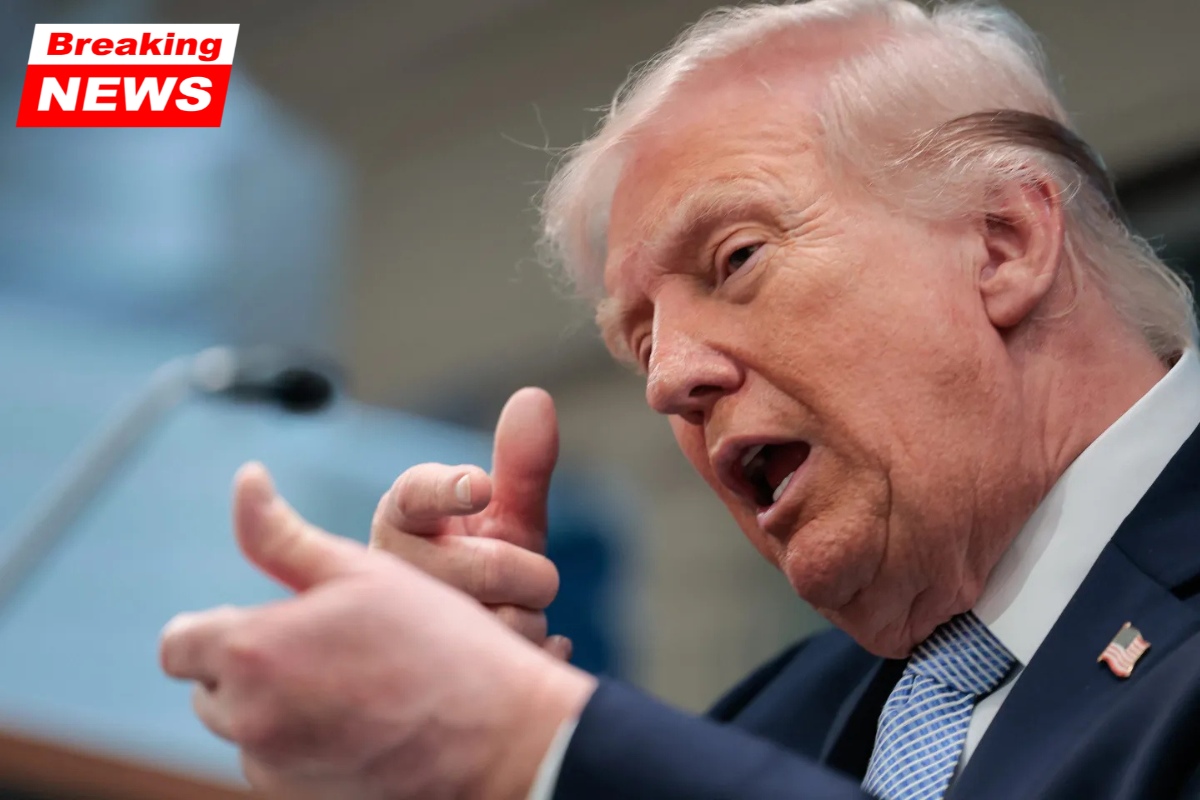
WASHINGTON, D.C. — Donald Trump issued one of his strongest warnings yet toward Iran on Monday, saying the “entire country” could be taken out “in one night,” as a Tuesday 8 p.m. ET deadline approaches for Iran to reopen the Strait of Hormuz.
The remarks came during a White House press conference that began by highlighting a military rescue operation but quickly shifted into escalating rhetoric about potential U.S. action if Iran does not comply.
A Stark Ultimatum
Trump made it clear that the U.S. is prepared to act decisively if Iran fails to reopen the vital shipping route.
“After that, they’re gonna have no bridges. They’re gonna have no power plants… Stone Ages,” he said.
He also suggested the U.S. could take control of toll operations in the Strait of Hormuz, a critical artery for global oil trade.
What “Taking Out” Iran Could Mean
While Trump’s language sparked fears of extreme military escalation, analysts suggest his comments may refer less to total destruction and more to targeted infrastructure disruption.
One likely scenario involves the use of graphite bombs (also known as blackout bombs), specifically the BLU-114/B:
- These weapons release carbon fiber filaments that short-circuit power grids
- They disable electricity without physically destroying infrastructure
- The goal is temporary paralysis, not permanent devastation
The U.S. has used similar weapons in past conflicts:
- During the Gulf War, they disabled about 85% of Iraq’s electricity supply
- In NATO operations in the Balkans, they knocked out over 70% of Serbia’s grid in a single night
Challenges in Targeting Iran’s Grid
Iran’s power infrastructure is significantly larger and more complex:
- Around 130 thermal power plants
- Roughly 78,000 megawatts capacity
- Spread across a vast geographic area
However, Iran has already faced chronic blackouts and shortages, which could make its grid more vulnerable to disruption.
Speculation Around Advanced Weapons
Trump also referenced a mysterious system he previously called the “discombobulator,” suggesting the U.S. has capabilities to disable enemy defenses without conventional strikes.
He linked this to a prior operation involving Nicolás Maduro, claiming U.S. forces neutralized defensive systems rapidly:
“They pressed the button… nothing happened.”
Unconfirmed reports have speculated about sonic or directed-energy weapons, though no official details have been released.
Legal and Humanitarian Concerns
Trump largely sidestepped concerns about whether targeting infrastructure like power plants could violate international humanitarian law, which restricts attacks on civilian systems.
“They would be willing to suffer that in order to have freedom,” he said, referring to the Iranian population.
Such statements have raised alarms among analysts, as infrastructure strikes can have widespread humanitarian consequences, even if not directly targeting civilians.
Why the Strait of Hormuz Matters
The Strait of Hormuz is one of the most strategically important waterways in the world:
- Handles a significant share of global oil shipments
- Connects the Persian Gulf to international markets
- Disruptions can trigger global economic shockwaves
The ongoing standoff has already heightened tensions among U.S. allies and global markets.
Summary Table
| Key Issue | Details |
|---|---|
| Ultimatum Deadline | Tuesday, 8 p.m. ET |
| Main Demand | Iran must reopen the Strait of Hormuz |
| Trump’s Threat | “Entire country” could be taken out in one night |
| Likely Military Option | Graphite (blackout) bombs targeting power grid |
| Advanced Weapon Mentioned | “Discombobulator” (unconfirmed capability) |
| Historical Precedents | Gulf War (Iraq), NATO bombing of Serbia |
| Key Concern | Civilian infrastructure targeting and humanitarian impact |
| Global Impact | Potential disruption to oil trade and international markets |
A Critical Moment Ahead
With the deadline approaching, the situation remains highly volatile. Trump’s remarks signal a willingness to escalate rapidly, though the exact nature of potential U.S. action remains unclear.
Whether the outcome involves negotiation, limited strikes, or broader conflict, the coming days could prove decisive—not just for U.S.-Iran relations, but for global stability.