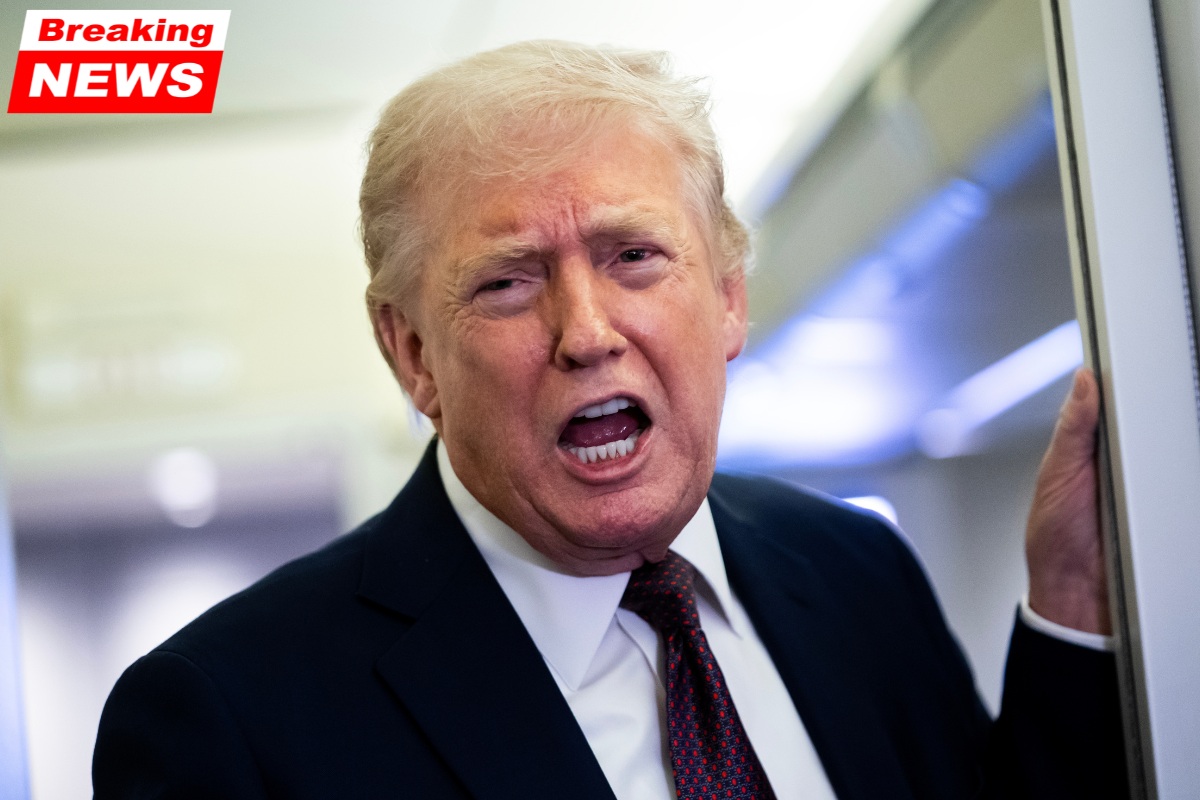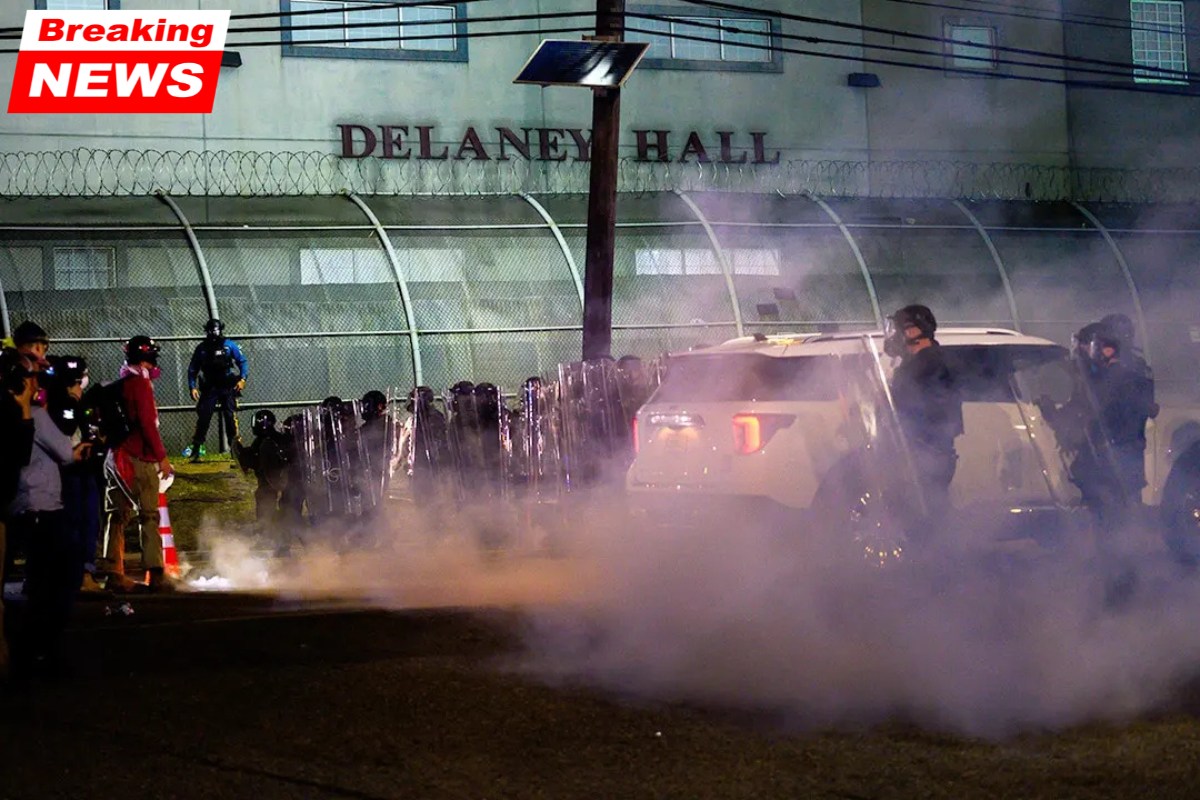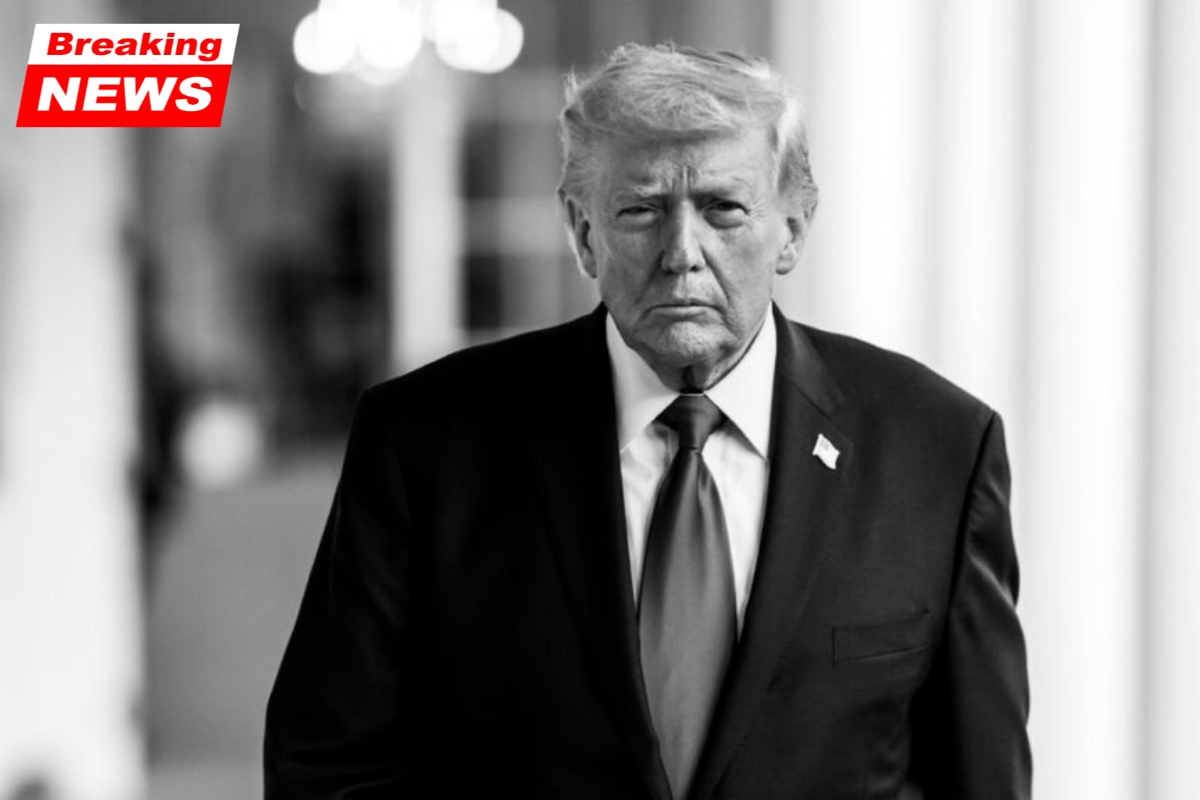
In an interview with Axios published Sunday, President Donald Trump made controversial comments about a U.S. airman who was stranded in Iran after his F-15 fighter jet was shot down. The remarks came a day after the successful rescue of the second crew member, following a tense 48-hour search in rugged Iranian terrain.
Trump’s comments about the airman’s radio transmission have sparked backlash, with critics accusing him of using religious language to denigrate Muslims.
Trump’s Comments on the Airman’s Message
The controversy began when Trump addressed the airman’s radio transmission after he ejected from the downed aircraft. The officer reportedly sent a brief message, which included the words “Power be to God” or “God is good,” according to U.S. defense officials.
Trump suggested that the phrase sounded like something “a Muslim would say,” raising suspicions within U.S. military circles that the message could be part of an Iranian trap aimed at luring U.S. troops into danger.
Initially, U.S. officials feared that the radio message was a false signal designed by Iranian forces to mislead rescuers, prompting caution during the mission. However, after confirming the officer’s religious background, officials concluded that the airman was alive and had not been captured by Iranian forces.
The successful rescue mission, which involved over 200 U.S. special operations troops, was hailed as one of the most daring in U.S. military history.
Details of the Rescue Operation
The U.S. operation to rescue the stranded airman began after Iran downed the F-15 on Friday. The airman, a weapons systems officer, was located in a remote part of Iran, and the mission involved significant resistance from Iranian forces. Several aircraft, including two Black Hawk helicopters, were hit by Iranian fire during the operation but managed to retreat from Iranian airspace.
The operation faced numerous challenges, with one aircraft needing to be destroyed due to a malfunction. Despite the heavy resistance, the mission succeeded in recovering the airman, effectively preventing a hostage crisis from unfolding. Trump later confirmed that Israel had provided some assistance in the search, with a CIA effort helping mislead Iranian forces about the rescue’s location.
Political and Military Repercussions
This daring rescue operation underscored the ongoing dangers faced by U.S. military personnel in the conflict with Iran, as the U.S.-Iran war entered its sixth week. Since the beginning of the conflict, 13 U.S. service members have died, and over 300 have been injured. Despite continuous American and Israeli attacks, Iran has demonstrated the ability to strike U.S. aircraft, highlighting the ongoing risks in the region.
Trump’s remarks about the airman’s religious phrase, combined with his increasingly aggressive rhetoric toward Iran, have sparked criticism. On Easter Sunday, Trump posted a message threatening to target Iranian power plants and bridges if Tehran did not reopen the Strait of Hormuz by Tuesday.
The post, which concluded with the phrase “Praise be to Allah,” drew criticism for its use of religious language in the context of threatening military action.
Criticism from Religious and Political Groups
Trump’s use of religious terms in his rhetoric has sparked condemnation from various groups. The Council on American-Islamic Relations (CAIR) criticized the president’s comments, accusing him of using religious language while simultaneously denigrating Islam and Muslims.
Former Rep. Marjorie Taylor Greene, a Georgia Republican and former Trump ally, also expressed her disapproval of Trump’s Easter rhetoric, highlighting the problematic nature of his comments.
Critics argue that Trump’s casual use of religious expressions in a threatening context contributes to a divisive and inflammatory political climate. The controversy has once again placed Trump’s relationship with religious rhetoric and foreign policy in the spotlight, raising questions about his handling of sensitive issues.
The Broader Context of U.S.-Iran Relations
The growing tension between the U.S. and Iran continues to dominate international headlines, with both sides escalating military actions. While Trump has framed the successful rescue mission as a demonstration of U.S. military strength, the broader geopolitical landscape remains fraught with uncertainty. Iran’s missile and drone capabilities remain formidable, and despite the U.S.’s military operations, fighting persists across the region.
The tension surrounding the Strait of Hormuz also continues to affect global oil markets, as the key shipping route remains blocked by Iran. Trump’s threats to target Iranian infrastructure, combined with diplomatic tensions with European allies, indicate that the conflict could escalate further.
Summary Table
| Key Event | Details |
|---|---|
| Trump’s Remarks | President Trump suggests airman’s radio message sounded like “something a Muslim would say” |
| Rescue Operation | 48-hour mission to recover U.S. airman after F-15 was shot down |
| Military Resistance | Two Black Hawk helicopters hit by Iranian fire but successfully evacuated |
| Casualties | 13 U.S. service members killed and over 300 injured in the conflict |
| Trump’s Easter Threats | Trump threatens to target Iranian infrastructure if the Strait of Hormuz is not reopened |
| Criticism | CAIR and political figures condemn Trump’s use of religious language in the context of military threats |
Heightened Tensions in U.S.-Iran Relations
President Trump’s recent comments and the daring rescue of the downed airman from Iran highlight the increasing volatility in U.S.-Iran relations. While the operation is being celebrated as a success, the rhetoric surrounding the mission and the conflict in general continues to raise concerns.
As the war in the Middle East continues, the use of religious language in political discourse and the ongoing military actions are likely to remain contentious topics in the coming weeks.