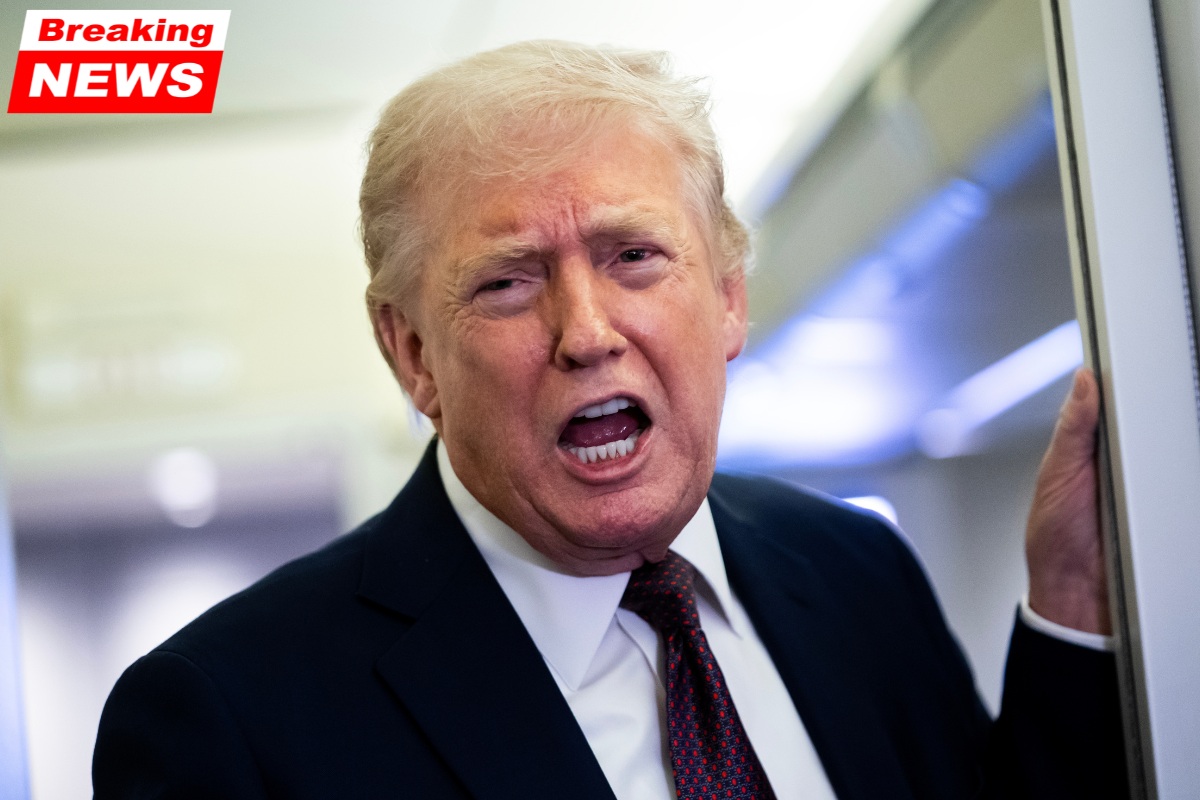
Donald Trump sparked controversy after posting a graphic video showing a deadly hammer attack at a gas station in Fort Myers. The footage, which shows a man attacking a woman in a parking lot, quickly became part of a broader political debate over immigration and public safety.
The incident itself is a tragic and violent crime. But its aftermath has turned into a national political flashpoint.
Details of the Fatal Attack
According to police, the suspect, Rolbert Joachin, attacked a woman outside a Chevron gas station using a hammer. Officers arriving at the scene found the victim unresponsive, and she was later pronounced dead.
Joachin was arrested shortly after and, according to investigators, gave a detailed confession. He now faces multiple charges, including homicide, property damage, and criminal mischief. His next court appearance is scheduled for early May.
The victim was identified as Nilufa Easmin, a store clerk and mother of two.
Immigration Status and Federal Response
The Department of Homeland Security stated that Joachin is originally from Haiti and was living in the U.S. without permanent legal status.
He entered the country in 2022 and was ordered removed that same year. However, he was later granted Temporary Protected Status (TPS), a designation that allows individuals from certain countries to remain in the U.S. due to unsafe conditions back home. That status expired in 2024.
Authorities have confirmed that Immigration and Customs Enforcement has placed a hold on him, meaning he could face deportation after legal proceedings conclude.
Trump Blames Political Opponents
In his post, Trump blamed the Democratic Party, including figures like Joe Biden, Chuck Schumer, and Hakeem Jeffries.
He argued that immigration policies under Democratic leadership allowed the suspect to remain in the country, linking the crime directly to those decisions. Trump has long made immigration enforcement a central theme of his political platform, advocating stricter border controls and faster deportations.
Ongoing Legal and Policy Disputes
The case comes amid broader legal battles over immigration policy. The Trump administration has pushed to end Temporary Protected Status for hundreds of thousands of Haitian nationals.
However, a federal court blocked that effort, and the case is now expected to be reviewed by the Supreme Court of the United States.
This legal fight highlights the tension between humanitarian protections and enforcement-focused immigration policies.
Data vs. Political Narrative
While Trump and his allies often point to crimes involving undocumented immigrants, broader data tells a more complex story.
Studies and law enforcement data from major U.S. cities have not found evidence of a widespread increase in crime driven specifically by migrants. Experts generally caution against drawing broad conclusions from individual cases.
Public Reaction and Ethical Concerns
The sharing of such a graphic video by a sitting president has raised ethical questions. Critics argue that amplifying violent footage can retraumatize victims’ families and shift focus away from the human loss.
Supporters, on the other hand, say it highlights serious issues around public safety and immigration enforcement.
Summary Table
| Topic | Key Details |
|---|---|
| Incident | Fatal hammer attack in Fort Myers |
| Suspect | Rolbert Joachin, charged with homicide |
| Victim | Nilufa Easmin, gas station clerk |
| Immigration Status | Haitian national with expired TPS |
| Trump’s Response | Blamed Democratic policies |
| Legal Context | TPS policy under court review |
| Broader Debate | Immigration vs. crime narrative |
This case sits at the intersection of tragedy and politics.
At its core is the loss of a life in a violent crime. Around it is a much larger debate about immigration policy, public safety, and political responsibility.
As legal proceedings move forward and policy battles continue, the story is likely to remain part of a wider national conversation — one where facts, emotions, and political narratives all collide.