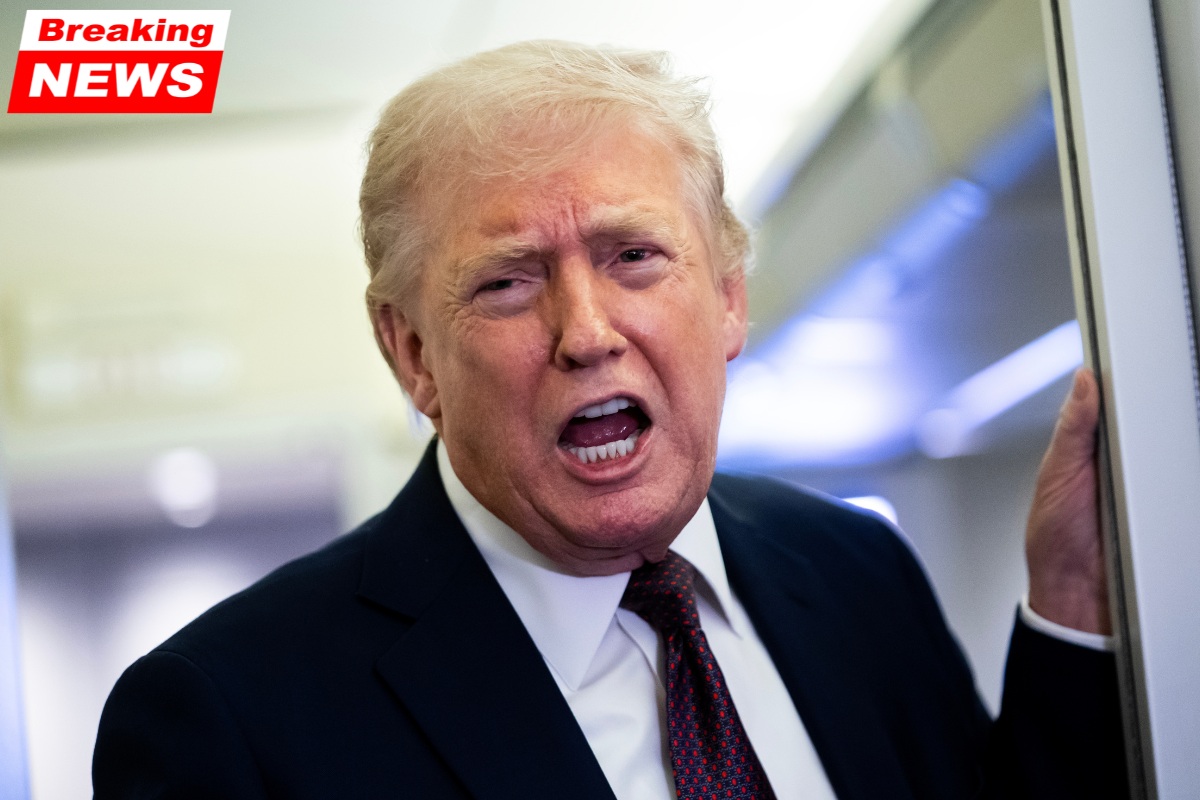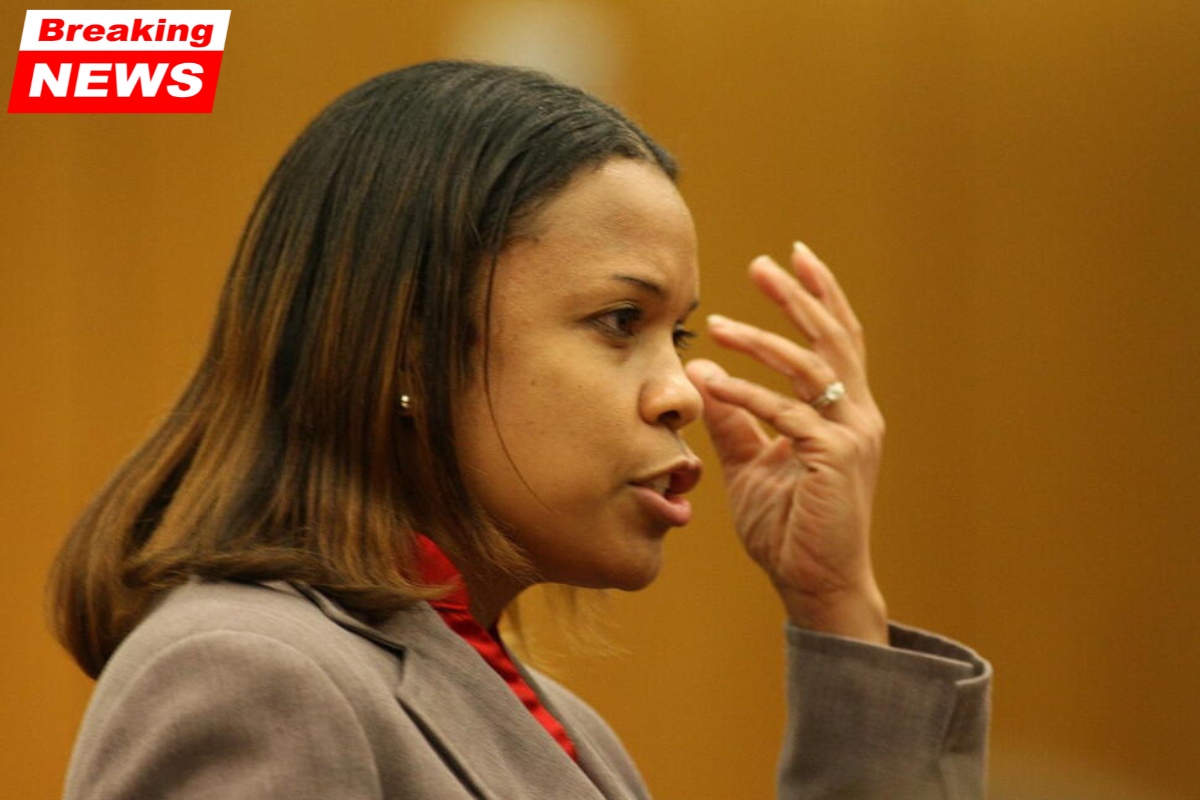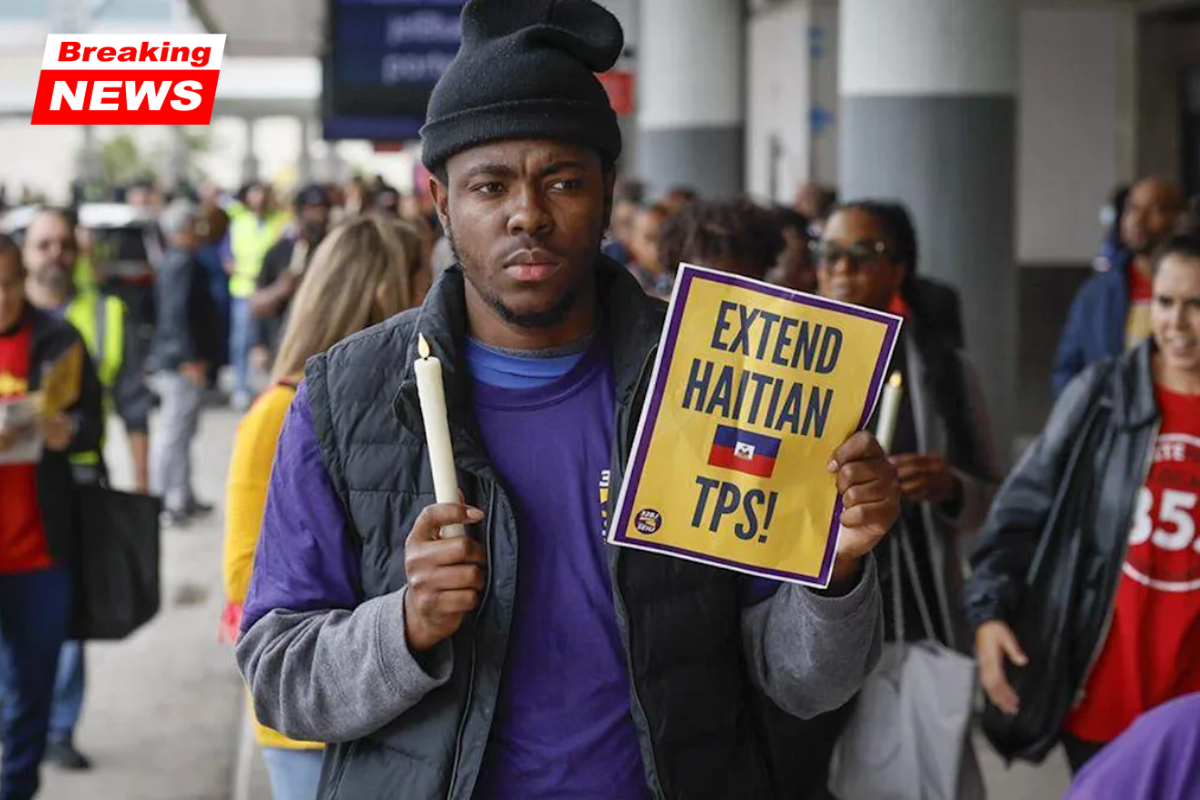
The Trump administration has asked the U.S. Supreme Court to allow it to end temporary deportation protections for hundreds of thousands of Haitian immigrants living in the United States. The move is part of a broader immigration policy effort to roll back Temporary Protected Status (TPS) for several countries.
Trump Administration Seeks Supreme Court Approval
The Trump administration requested emergency relief from the U.S. Supreme Court to move forward with ending Temporary Protected Status for more than 350,000 Haitian migrants.
The request was filed by the Justice Department after lower courts blocked the government’s attempt to end the program. If the Supreme Court approves the request, the administration could begin removing the protections that allow many Haitians to live and work legally in the United States.
The case is one of several immigration disputes currently being reviewed by the nation’s highest court.
What Is Temporary Protected Status?
Temporary Protected Status, commonly known as TPS, is an immigration program created by Congress in 1990.
It allows people from certain countries to remain in the United States if returning to their home country would be dangerous due to issues such as:
- Armed conflicts
- Natural disasters
- Political instability
- Other extraordinary or temporary conditions
People under TPS cannot be deported during the protection period and are allowed to work legally in the United States. The protection usually lasts up to 18 months but can be extended if conditions in the home country remain unsafe.
Why Haitians Were Granted TPS
Haitian immigrants were first granted TPS in 2010 following a devastating earthquake that struck Haiti.
The disaster killed more than 300,000 people and caused widespread destruction across the country. Because of the humanitarian crisis, the U.S. government allowed Haitian nationals already living in the country to remain temporarily under TPS.
Over the years, the program was repeatedly extended as Haiti continued to face political instability, economic struggles, and natural disasters.
Homeland Security Moves to End Protections
After returning to the White House for a second term, President Donald Trump’s administration took steps to end Haiti’s TPS designation.
Homeland Security Secretary Kristi Noem announced that the protections would end on February 3.
Noem said the decision reflected confidence in Haiti’s future and aligned with the president’s foreign policy vision of supporting a secure and self-reliant Haiti.
While acknowledging that some conditions in Haiti remain difficult, Noem stated that certain parts of the country are now considered safe enough for people to return.
Legal Challenge Blocks the Decision
The administration’s plan faced legal opposition shortly after it was announced.
In December, five Haitian nationals filed a lawsuit challenging the decision to terminate TPS protections. They argued that ending the program could expose thousands of immigrants to serious risks if deported.
A federal district court judge temporarily blocked the administration’s plan last month.
The judge ruled that the decision may have been influenced by improper considerations and said the government must follow both the Constitution and administrative law when implementing immigration policies.
Appeals Court Leaves Block in Place
The Justice Department appealed the ruling, asking a federal appeals court in Washington, D.C., to pause the lower court’s decision.
However, a divided three-judge panel declined to do so, meaning the block on ending TPS protections remains in place for now.
Because of that ruling, the administration turned to the Supreme Court, asking the justices to intervene and allow the policy change to move forward while the legal battle continues.
Government Says Lower Courts Are Overstepping
In the filing to the Supreme Court, Solicitor General D. John Sauer argued that lower courts are interfering with executive branch authority.
He warned that if the courts continue to block immigration decisions, it could affect many other policies introduced by the administration.
According to the Justice Department, the legal theory used by the lower court could potentially challenge multiple immigration actions taken by the federal government.
Broader Immigration Policy Changes
The attempt to end TPS for Haitian immigrants is part of a wider immigration strategy.
The Trump administration has also taken steps to remove similar protections for immigrants from several other countries, including:
- Afghanistan
- Nicaragua
- Somalia
- Yemen
In some cases, courts have allowed the administration to move forward with policy changes, while other decisions are still being reviewed.