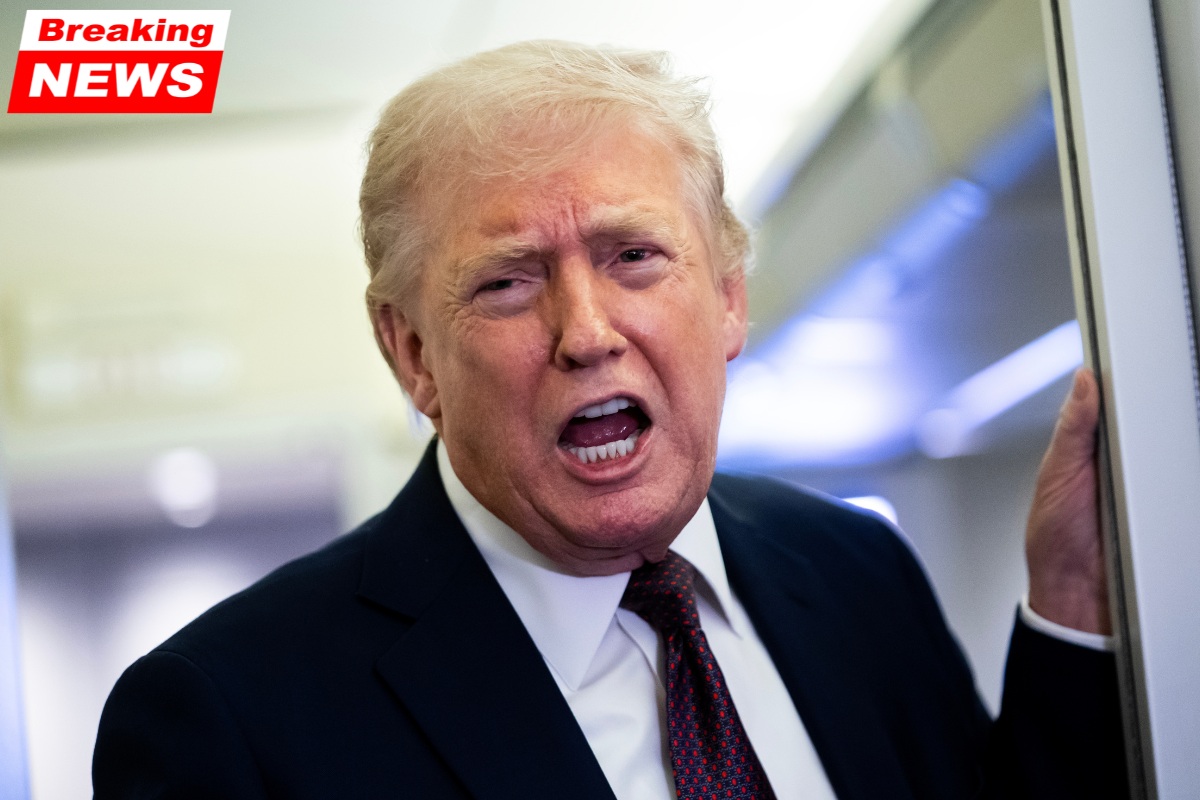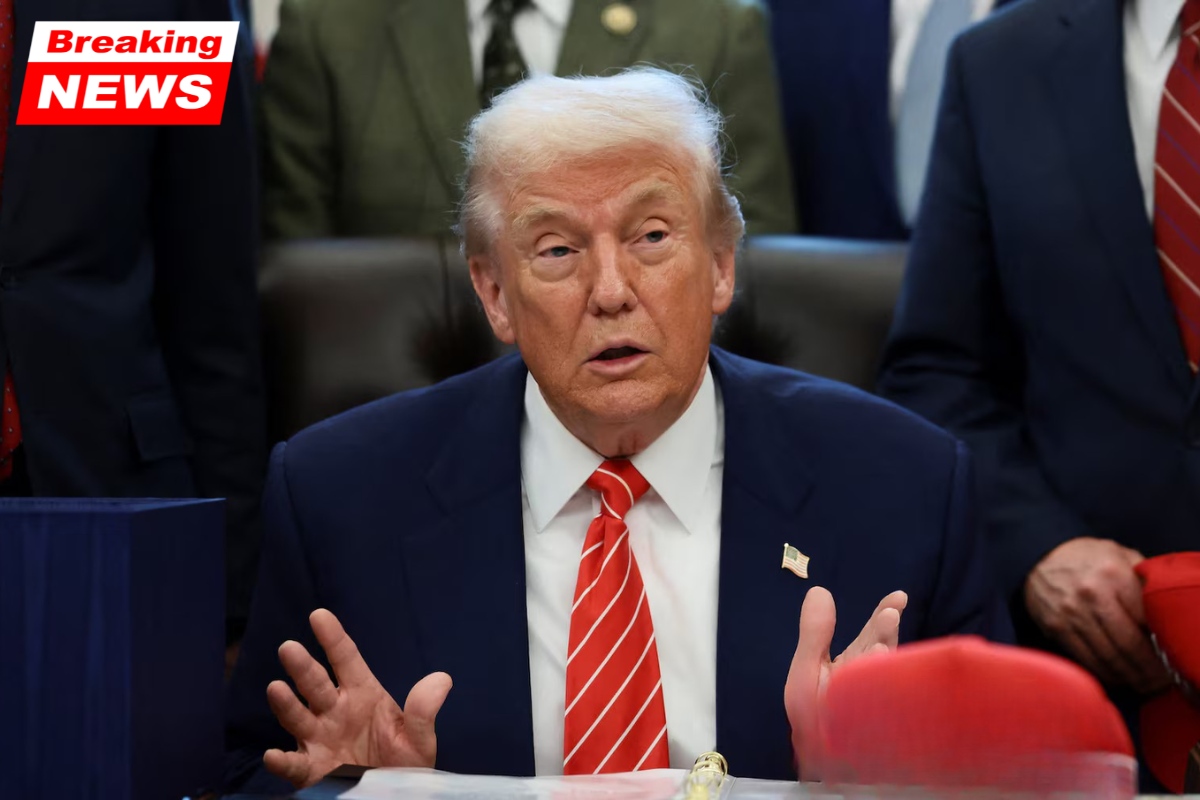
In a significant shift, President Donald Trump has temporarily halted planned military strikes against Iranian energy infrastructure, signaling a return to the so-called “TACO” playbook. The acronym stands for “Trump Always Chickens Out,” reflecting a recurring cycle where the administration signals aggressive actions but ultimately pivots toward de-escalation when faced with economic pressures.
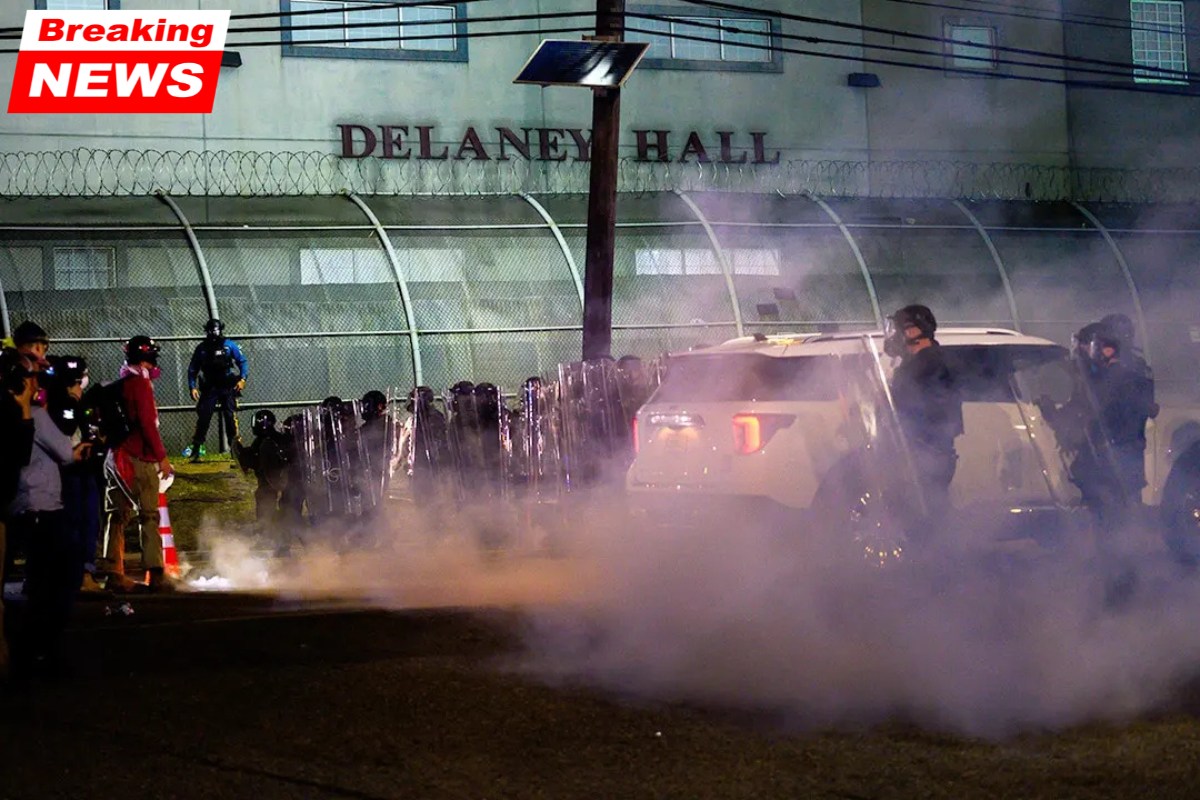
This latest move comes as the U.S. seeks to ease tensions in the Strait of Hormuz, a crucial maritime artery for global oil trade, where shipping disruptions have pushed oil prices to alarming heights.
The “TACO” Pattern: Escalation Followed by Retreat
Market analysts have coined the term “TACO” to describe the administration’s predictable pattern of escalating military rhetoric, only to retreat once the economic fallout becomes too severe. Daniela Hathorn, a senior market analyst at Capital.com, noted, “This looks very much like a classic ‘TACO’ dynamic,” emphasizing the administration’s tendency to back down from confrontational stances once economic indicators flash red.
Investors have quickly learned to capitalize on this pattern. Nancy Tengler, CEO of Laffer Tengler Investments, revealed that her firm made a bet on the S&P 500 on March 20, anticipating a reversal after the President’s signals of escalation. That prediction proved correct on March 23 when Trump announced the postponement of strikes on Iranian power plants, citing “productive” negotiations with Tehran.
Tracking Trump’s Influence on Markets: The “Trump Pain Point Index”
To quantify this recurring behavior, institutional firms have developed specialized metrics like BCA Research’s “Trump Pain Point Index.” This index tracks key economic indicators, such as short-term equity volatility, Treasury yields, mortgage rates, and retail gas prices—all of which offer insight into how the administration’s policies influence market dynamics.
Last week, the index surged to its highest point to date, hitting two standard deviations above its historical average. Historically, such extremes have preceded sudden policy shifts aimed at calming investor anxiety. This suggests that the administration is aware of the economic consequences of its actions and is adjusting accordingly.
The Energy Crisis: “Sticky” Inflation and Geopolitical Stalemate
While the TACO maneuver may temporarily calm markets, the underlying energy crisis remains unresolved. Despite Trump’s tactical pause, Tehran has rejected the U.S. ceasefire proposal, which demands the complete reopening of the Strait of Hormuz. With Brent crude oil prices above $105 per barrel, economists warn that the administration’s pause on military escalation may not be sufficient to address sticky inflation—the persistent rise in prices that remains even amid economic intervention.
Tim Urbanowicz, chief investment strategist at Innovator Capital Management, pointed out that the longer oil prices stay elevated, the more likely it is that inflation will become entrenched. “The longer oil prices stay elevated, the more the odds of inflation being sticky go up,” he said, underscoring the administration’s challenge in balancing military restraint with the need to stabilize global markets.
Content Summary Table
| Key Detail | Information |
|---|---|
| TACO Playbook | “Trump Always Chickens Out” – a pattern of escalating rhetoric followed by de-escalation when economic pressures mount |
| Recent Decision | President Trump halted planned military strikes against Iran’s energy infrastructure to avoid further market instability |
| Market Reaction | Investors capitalized on this pattern, with firms betting on a market reversal after signs of escalation were postponed |
| Trump Pain Point Index | An index tracking economic indicators that measures market volatility, retail gas prices, and Treasury yields |
| Oil Prices | Brent crude oil prices remain above $105 per barrel, contributing to fears of persistent inflation |
| Iran’s Response | Iran has rejected U.S. ceasefire proposal, complicating diplomatic efforts and leaving tensions unresolved |
| Inflation Concern | Economists warn that persistent high oil prices could lead to entrenched inflation (sticky inflation) despite attempts to stabilize markets |
The Iran Factor: Diplomatic Deadlock
While the U.S. administration’s strategy appears to be aimed at stabilizing global markets through military restraint, its ultimate success hinges on Iran’s willingness to negotiate. However, Iran has yet to engage meaningfully with the U.S. ceasefire proposal, leaving the diplomatic deadlock unresolved. With tensions in the Strait of Hormuz still high, the situation remains precarious, with potential risks to the stability of global oil markets and inflationary pressures.