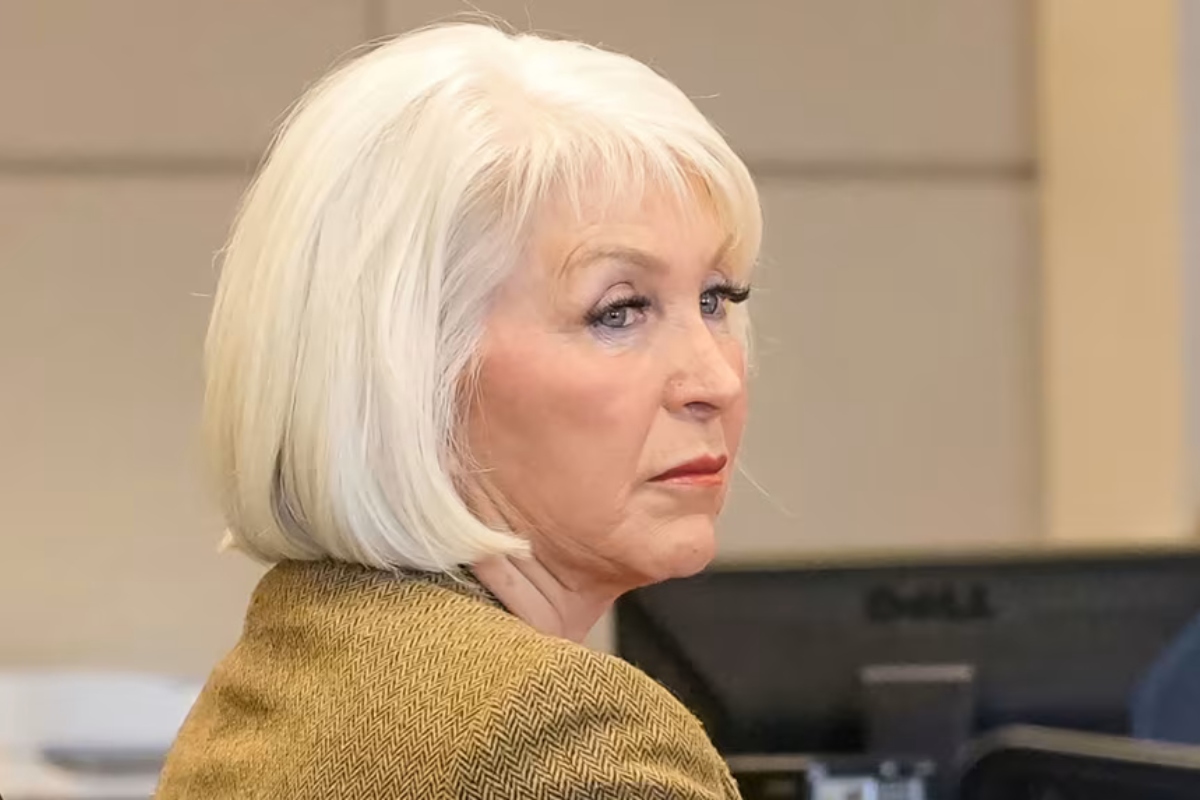
A Colorado appeals court ruled Thursday that Tina Peters, the former Mesa County clerk convicted for her involvement in a controversial scheme related to the 2020 presidential election, should be resentenced. Peters, who was convicted in 2024 for illegally attempting to gather evidence of election fraud, is currently serving a nine-year prison sentence.
Key Aspects of the Case
| Aspect | Details |
|---|---|
| Conviction | Peters was convicted on charges including conspiracy to commit criminal impersonation, attempting to influence a public servant, and official misconduct. |
| Offense | Peters secretly allowed a computer expert to copy election data during a 2021 software update. |
| Appeals Court Ruling | The court upheld the conviction but ordered resentencing, stating that Peters’ promotion of election fraud conspiracies shouldn’t have been considered in her original sentence. |
| Sentence | Peters is currently serving a nine-year sentence for her role in the election data breach. |
| Pardon Attempts | Former President Donald Trump attempted to pardon Peters, but her conviction, a state crime, was not eligible for a presidential pardon. |
| Controversy | The case has sparked strong political debate, with Trump and his allies pushing for her release, while Colorado officials defend the original sentence. |
The Incident
In 2021, Peters allowed an outside computer expert, associated with MyPillow CEO Mike Lindell, to make a copy of Mesa County’s election computer system during a software update. The copied data included confidential passwords for Dominion Voting Systems, which were later posted publicly.
The legal charges against Peters were based on violating her duty as a county clerk by allowing unauthorized access to the voting system, a serious breach of security.
However, Peters and her defense team argued that her actions were motivated by a desire to investigate what she believed were irregularities in the 2020 election, not to undermine the system.
The Appeals Court’s Ruling
The Colorado Court of Appeals upheld the conviction of Peters but ruled that the sentencing judge had erred by considering Peters’ public promotion of election fraud conspiracies in determining her sentence.
The court stated that her freedom of speech should not have been penalized in sentencing, as it is protected under the U.S. Constitution. This ruling has led to calls for a new sentence, and the case has been sent back to a lower court for resentencing.
Political Reactions and Pardon Attempts
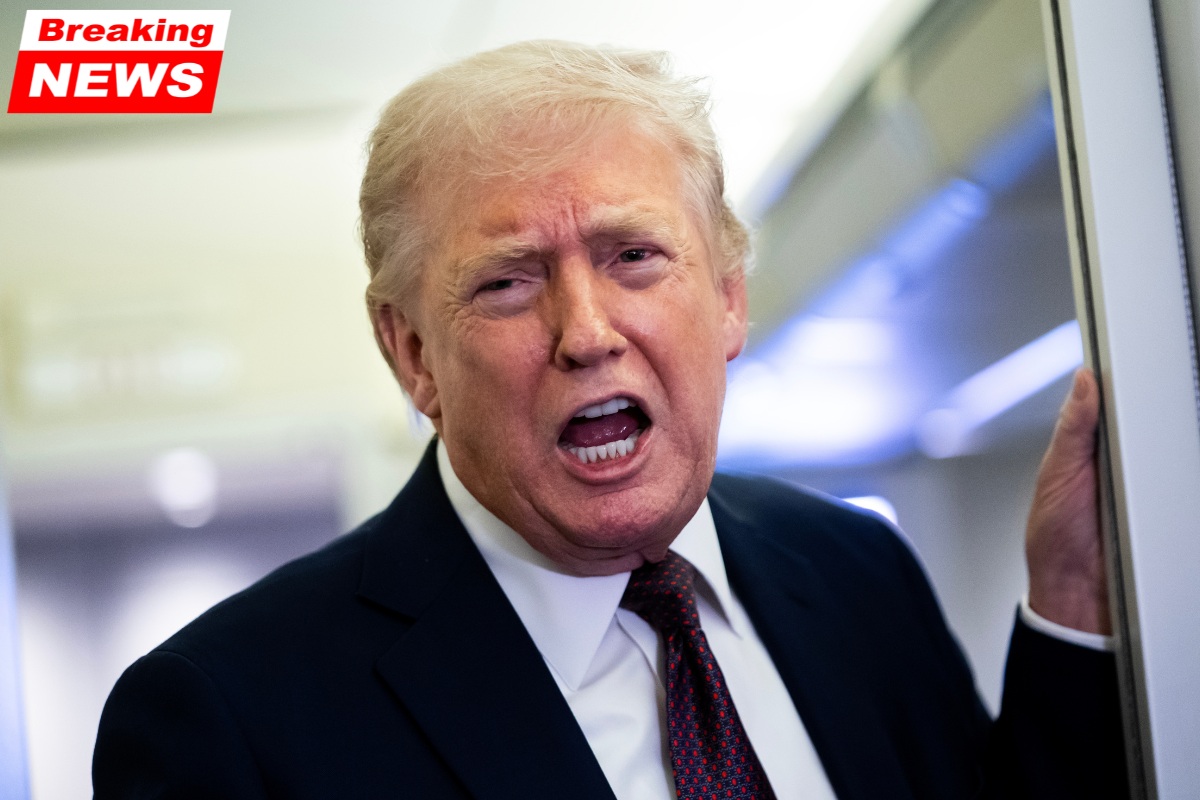
The case has attracted significant political attention. President Trump has been vocal in his support for Peters, even going so far as to attempt a presidential pardon for her. However, as the conviction is a state crime, the pardon did not apply.
Trump’s intervention in the case has been criticized by some political figures, with Colorado Attorney General Phil Weiser accusing the Trump administration of waging a “revenge campaign” against the state for not releasing Peters.
Weiser, in response to the ruling, emphasized that Peters’ actions threatened democracy and that her conviction would always carry the stain of violating public trust, no matter the outcome of the resentencing.
Impact on Colorado’s Legal Landscape
The legal battle has broader implications. Governor Jared Polis has expressed consideration of clemency for Peters, though this would be a rare move for a first-time, non-violent offender.
Peters’ actions, though controversial, have sparked a public debate on whether the punishment fits the crime. Some see it as an overreach, while others view it as a necessary response to actions that undermine public trust in the electoral system.
Legal and Political Future
Moving forward, Peters’ resentencing could set a significant precedent in how election-related crimes are treated in the future, especially in politically charged cases. With strong public opinion split on the matter, and the Trump administration’s continued interest in her case, the situation remains one of the most high-profile examples of the intersection between politics and law in contemporary American legal disputes.