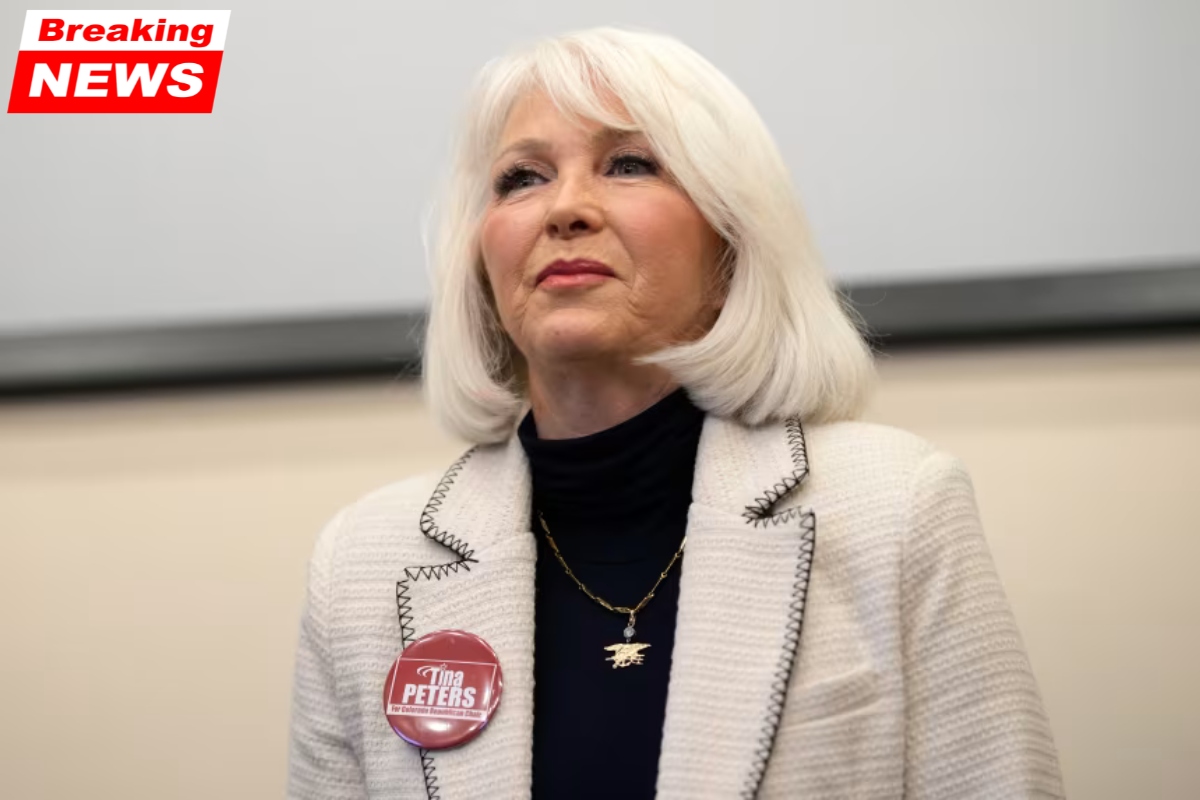
Former Colorado election clerk Tina Peters, who was convicted for her role in breaching election systems tied to efforts to challenge the 2020 presidential election, will soon be released from prison after receiving clemency from Colorado Governor Jared Polis. The decision has sparked intense political debate across party lines and renewed national attention on election conspiracy movements in the United States.
| Key Detail | Information |
|---|---|
| Person Involved | Tina Peters |
| Position | Former Mesa County Election Clerk |
| Conviction Year | 2024 |
| Original Sentence | 9 Years |
| Reduced Sentence | 4.5 Years |
| Governor Granting Clemency | Jared Polis |
| Expected Release Date | June 1 |
| Main Controversy | Breach of election systems tied to 2020 election claims |
Why Governor Jared Polis Reduced Tina Peters’ Sentence
Colorado Governor Jared Polis announced that he would reduce Tina Peters’ prison sentence from nine years to four and a half years. According to Polis, the decision came after Peters admitted wrongdoing in her clemency application and acknowledged that she had “made a mistake” when she allowed unauthorized access to county voting equipment.
Peters’ statement marked the first time since her conviction that she publicly admitted fault. She stated that she “misled” Colorado election officials and accepted responsibility for her actions. Polis said the admission played a major role in his decision to commute the sentence rather than issue a full pardon.
The governor clarified that he still believes Peters committed a serious crime and should continue carrying a felony conviction on her record. However, he also argued that sentencing decisions should not be influenced by political speech or unpopular opinions.
The Background of Tina Peters’ Election Case
Donald Trump and his allies repeatedly claimed that the 2020 election was fraudulent, despite courts and election officials finding no evidence of widespread voter fraud. Tina Peters became one of the most visible figures connected to those claims.
During the 2024 trial, prosecutors argued that Peters gave individuals linked to election conspiracy theorist Mike Lindell unauthorized access to Mesa County election systems in 2021. Witnesses testified that sensitive election data was copied in an attempt to investigate supposed election irregularities.
Peters defended her actions for years, claiming she was attempting to preserve election records under federal law. However, her clemency statement represented a major shift in her public stance.
Appeals Court Ruling Played a Major Role
Another important factor in Polis’ decision was a recent ruling from a Colorado appeals court. The court upheld Peters’ criminal convictions but ruled that the trial judge improperly considered her protected political speech while determining the sentence.
Governor Polis said the justice system must remain fair, even when dealing with controversial political beliefs or conspiracy theories. He emphasized that free speech protections apply regardless of whether statements are popular or widely accepted.
According to Polis, the appeals court ruling highlighted concerns about balancing criminal punishment with constitutional rights under the First Amendment.
Trump’s Support for Tina Peters
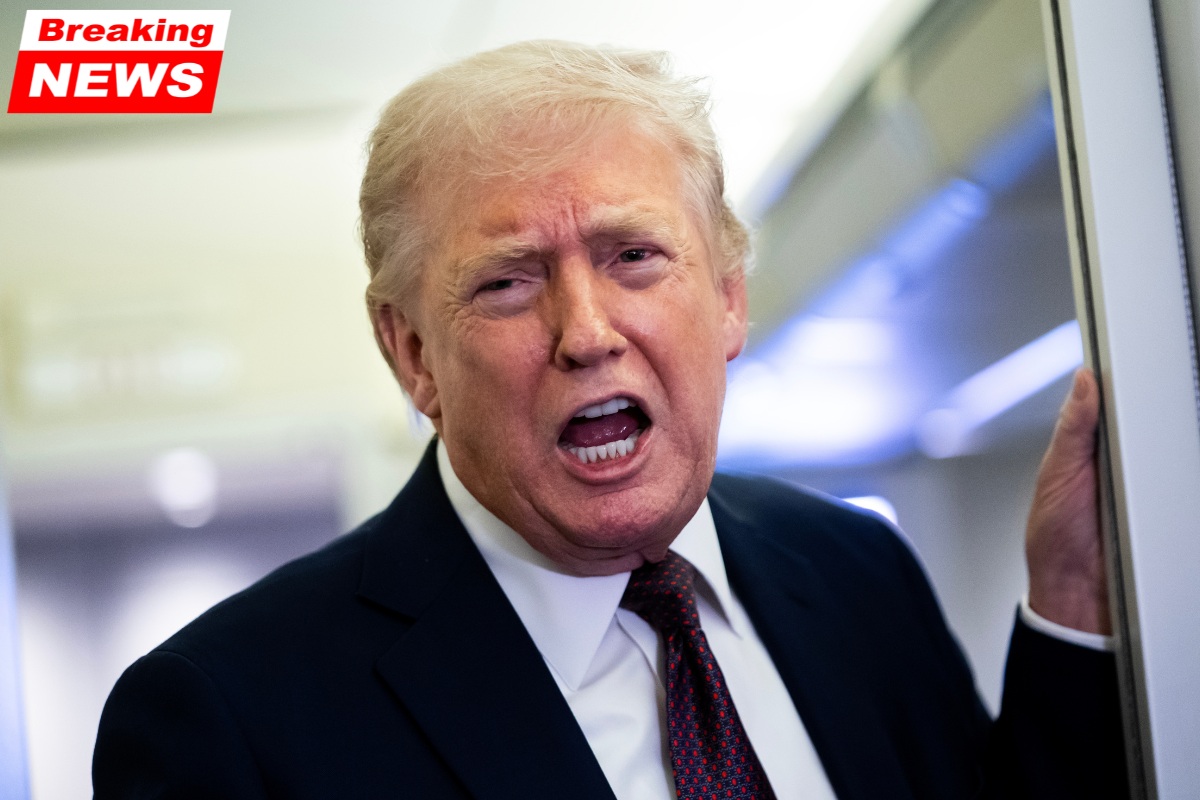
Donald Trump publicly and privately pushed for Peters’ release. Trump repeatedly criticized Colorado officials and called Peters a victim of political persecution. He also issued a symbolic federal pardon for Peters in December, although it carried no legal effect because her crimes were prosecuted at the state level.
Polis confirmed that Trump personally contacted him regarding Peters’ imprisonment. However, the governor said his decision was based on legal and constitutional considerations rather than political pressure.
Trump celebrated the commutation decision by posting “FREE TINA!” on his social platform, Truth Social.
Mixed Reactions Across Colorado
The decision triggered strong backlash from both Democrats and Republicans in Colorado.
Colorado Secretary of State Jena Griswold described the commutation as an “affront to democracy.” She questioned whether Peters was truly remorseful, arguing that Peters and her supporters continue spreading false election conspiracy theories online.
Mesa County District Attorney Dan Rubinstein, a Republican, also criticized the governor’s move. He argued that ordinary defendants rarely receive such treatment and claimed the decision ignored the damage caused to local election systems and public trust.
Colorado Attorney General Phil Weiser called the commutation “mind-boggling” and defended the original nine-year sentence as appropriate based on the seriousness of the crimes.
Election officials across the state also expressed concern that the release could encourage future attacks on election systems or increase distrust in democratic institutions.
What Tina Peters Said After the Clemency Decision
Following the announcement, Peters released a statement through her attorneys thanking Governor Polis for granting clemency. She said she had “learned and grown” during her time in prison and expressed regret over the mistakes she made in 2021.
Peters also condemned threats and violence against election workers and public officials. She stated that she plans to focus on prison reform and election integrity efforts through legal channels after her release.
Despite the apology, critics remain skeptical because Peters and some of her allies have continued promoting election conspiracy theories online.
What This Means Politically
The release of Tina Peters is viewed as a major symbolic victory for election denial activists and supporters of Donald Trump. Peters has long been portrayed by conservative groups as a political prisoner punished for questioning the 2020 election results.
At the same time, the case highlights growing tensions over free speech, election security, and political polarization in the United States.
Governor Polis insisted that his decision was based on fairness and constitutional principles rather than politics. However, the backlash from members of both parties shows how deeply divisive the issue remains.
With Polis nearing the end of his term and speculation surrounding future national ambitions, the clemency decision is likely to remain a controversial part of his political legacy.