
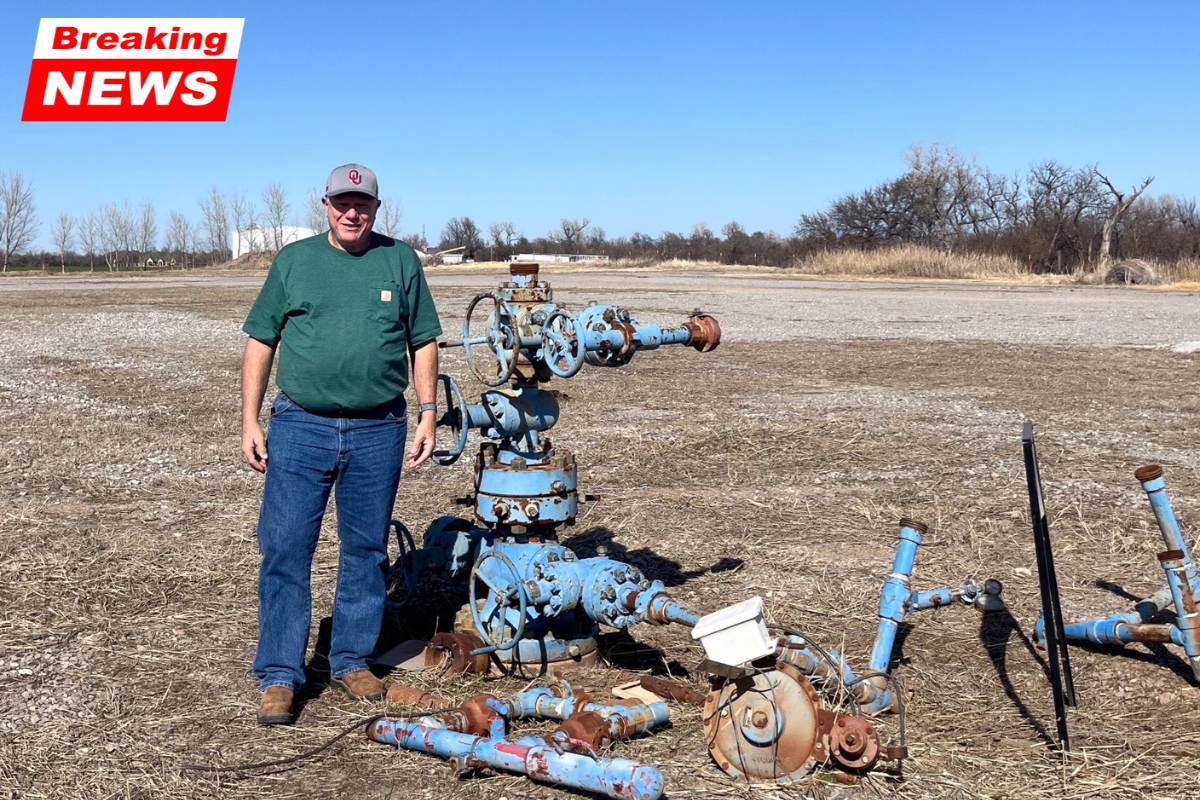
In an innovative move, Oklahoma lawmakers are considering legislation that could give new life to the state’s vast number of abandoned oil and gas wells. Rep. Nick Archer, R-Elk City, has introduced House Bill 3173, which would allow companies to convert orphaned and abandoned oil wells for use in geothermal energy production or energy storage.
The bill has gained attention from environmentalists, researchers, and industry experts as a potential solution to the state’s orphaned well problem, which poses both environmental and health risks.
The Scope of Oklahoma’s Orphaned Well Problem
Oklahoma is home to more than 19,000 orphaned oil and gas wells—wells that are no longer in use but have no identifiable owners. These wells can leak pollutants into the soil and water and emit methane, a potent greenhouse gas.
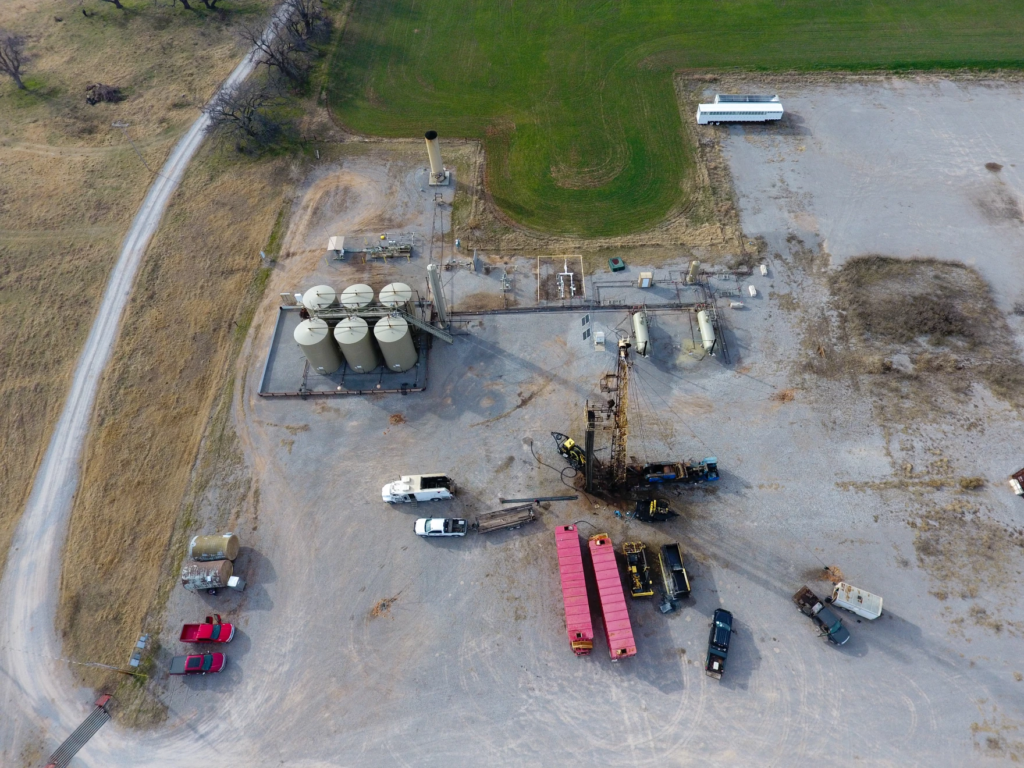
The Oklahoma Corporation Commission is responsible for overseeing the plugging of these wells, but with limited resources and increasing numbers of wells, the process is slow. According to Holly George, the Commission’s chief financial officer, plugging all the orphaned wells would take 235 years at the current pace, a daunting and costly task.
“Unfortunately, the conversation can’t be, ‘Please give me billions of dollars for us to go remedy,’” George said. “We have to take this bite by bite, little bit by little bit. And what does that look like?”
Legislative Proposal for Well Repurposing
House Bill 3173 seeks to address both the environmental issue of orphaned wells and the growing demand for renewable energy. Modeled after a similar law passed in New Mexico last year, the bill would create a process for companies to purchase abandoned wells and convert them for geothermal or energy storage use.
These wells would be used to harness Earth’s natural subsurface heat for energy production or store energy in a way that could benefit the state’s power grid.
The bill requires that the conversion process would only apply to wells that reach temperatures of 250 degrees Fahrenheit or higher, making them suitable for geothermal energy generation. The Oklahoma Corporation Commission and the Oklahoma Department of Environmental Quality would oversee the process, ensuring proper environmental protection.
Rep. Archer believes that utilizing existing infrastructure for geothermal or energy storage could be a cost-effective solution for both private companies and the state. “If there’s an opportunity to avoid some of those costs, utilizing the existing infrastructure and repurposing it, that may be economically viable to private capital,” Archer said.
Research in Tuttle, Oklahoma
The potential for geothermal energy use from abandoned wells is not just theoretical; it is already being explored. In Tuttle, Oklahoma, researchers from the University of Oklahoma are conducting a project to see if geothermal energy can be produced from retired oil wells. The project, supported by a federal grant, aims to pump heat from the wells to nearby schools, which could help reduce their utility costs.
However, the project has faced delays. The Trump administration paused the project last year, and the next phase is waiting for approval from the Department of Energy. The researchers, led by Jeff McCaskill, hope to repurpose the old wells for this renewable energy purpose, demonstrating the potential for such projects across Oklahoma.
“That’s kind of the whole gist of this, is how can we use a resource that’s here and is not being used now, to benefit a school system, or a church, or some kind of end-user?” McCaskill said.
Challenges and Concerns
One key concern about the legislation is the temperature requirement of 250 degrees Fahrenheit, which might be too high for many of Oklahoma’s existing wells. Oklahoma’s geothermal potential is not as high as states like Nevada or California, which means converting wells for geothermal energy could be less feasible unless the temperature threshold is lowered.
“We need to drop that temperature down to 180 degrees or something,” McCaskill said, suggesting that a lower threshold could make it easier for companies to convert more wells.
Despite these challenges, Runar Nygaard, director of the Mewbourne School of Petroleum and Geological Engineering at OU, believes that the bill could have helped the Tuttle project. He explained that the lack of regulations around well conversion has hindered the project’s progress in reaching higher temperatures.
The Economic and Environmental Benefits
While the bill might not completely solve the state’s orphaned well problem, it could be a step toward addressing both environmental and energy challenges. The Sierra Club and other environmental groups have voiced support for the measure, noting that repurposing abandoned wells could reduce the long-term environmental liabilities these wells create.
Maria Richards, geothermal laboratory coordinator for Southern Methodist University, noted that technological advances in the geothermal industry could eventually make it easier to produce energy from lower-temperature wells. “New technology, lower temperature, smaller output—but you need more of them,” she said. These advancements could lead to distributed energy systems that are less vulnerable to widespread power outages, such as during ice storms.
Looking Ahead
While House Bill 3173 passed the Oklahoma House of Representatives on March 16, it now heads to the state Senate for consideration. If passed, this legislation could pave the way for more innovative solutions to Oklahoma’s orphaned well problem while promoting renewable energy development. Rep. Archer emphasized that this initiative could provide much-needed private sector investment in the state’s energy infrastructure.
“We aren’t going to reduce that 200-year list even in half by allowing this,” Archer said. “But I think if private industry wants to invest the capital and explore this, we need to let them be able to do that.”






