
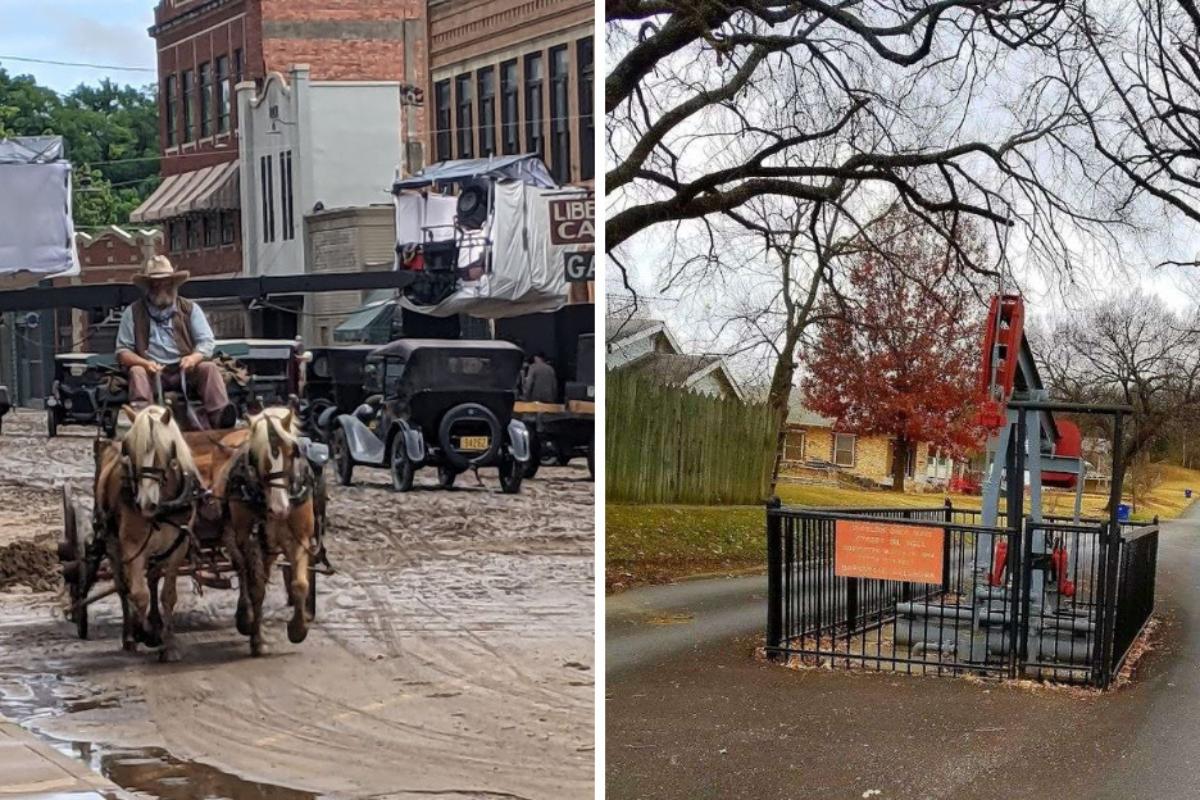
Let’s be honest. Any place once called the “Wildest Place in America” deserves a closer look. That nickname belongs to Osage County, a place where oil booms created instant wealth, lawlessness followed close behind, and history still feels alive when you drive its back roads.
This is not just a story about the past. It is a place where culture, landscape, and legacy continue to shape everyday life in ways that are hard to ignore.
The Osage Nation and a Story of Survival
Long before Oklahoma became a state, the Osage Nation established deep roots in this land. After being forced from their original territory, they settled in what is now Osage County. What followed was one of the most remarkable chapters in American history.
When oil was discovered beneath their land, the Osage people became among the wealthiest per capita in the world during the early 1900s. That wealth brought opportunity, but it also brought danger, exploitation, and violence.
Today, the Osage Nation remains a federally recognized tribal government headquartered in Pawhuska. The tribe operates its own institutions, including schools, healthcare systems, and cultural programs. Their presence is not just historical. It is active, visible, and deeply influential across the county.
The Osage Hills: A Landscape That Surprises You
Forget the idea that Oklahoma is flat. The Osage Hills offer rolling terrain, thick forests, and open prairie that stretches for miles. It feels untouched in a way that is increasingly rare.
Osage County is the largest county in Oklahoma, covering more than 2,200 square miles. Much of that land still looks the way it did generations ago. Standing on a ridge at sunset, watching the grass turn gold under a wide sky, is the kind of experience that stays with you.
Pawhuska: Small Town With a Big Voice
As the county seat, Pawhuska serves as the heart of Osage County. Its historic downtown is filled with early 20th-century architecture, and the town carries a quiet confidence shaped by everything it has endured.
One of its most important landmarks is the Osage Nation Museum, one of the oldest tribally owned museums in the United States. Inside, visitors can explore artifacts, photographs, and stories that tell the Osage story in their own voice.
Pawhuska has also gained national attention in recent years through the Pioneer Woman brand, bringing new visitors to a town that already had plenty to say.
The Tallgrass Prairie and Free-Roaming Bison
The Tallgrass Prairie Preserve is one of the most breathtaking places in the region. Managed by The Nature Conservancy, it protects one of the largest remaining tallgrass prairie ecosystems in North America.
Here, you can see a free-roaming herd of American bison moving across open land just as they did centuries ago. The preserve also supports a wide range of wildlife, from deer and coyotes to migratory birds and wildflowers that change with the seasons.
Driving through the preserve or hiking its trails offers a rare chance to experience a landscape that has largely escaped modern development.
The Oil Boom That Changed Everything
Few places were transformed as dramatically as Osage County during the oil boom. Because the Osage people retained mineral rights, they benefited directly from oil production. By the 1920s, the county was producing vast amounts of oil, and wealth flowed into the region.
But that wealth also attracted greed. A series of crimes targeting Osage citizens during this period became one of the darkest chapters in American history, later documented in books and films. The legacy of that era still shapes conversations about justice and power today.
Oil production continues, though at a smaller scale, and the impact of that boom is still visible in the county’s architecture and identity.
Woolaroc: Where History and Nature Meet
Another standout destination is Woolaroc Museum and Wildlife Preserve, located near Bartlesville. Originally built as a retreat in the 1920s, it now combines a world-class museum with a wildlife preserve.
The museum features Western art, Native American artifacts, and historical items connected to the oil industry. Outside, visitors can see bison, elk, and longhorn cattle roaming freely across the landscape.
It is a place where history feels tangible and the natural environment adds depth to the experience.
Waterways That Shape the Land
Water plays a quiet but important role in Osage County. Bird Creek flows through Pawhuska and supports local ecosystems. Fishing, birdwatching, and simply spending time near the water are part of the slower pace of life here.
The county is also connected to the Caney River and several reservoirs, offering more opportunities for outdoor recreation and reflection.
Cultural Traditions That Continue Today
The Osage Nation’s cultural traditions remain strong, especially during annual events like the In-Lon-Schka dances held in Pawhuska, Hominy, and Grayhorse. These gatherings are not performances but deeply meaningful ceremonies passed down through generations.
Visitors who attend respectfully can witness traditional music, dance, and craftsmanship that reflect a living culture, not a preserved one.
Small Towns That Tell the Real Story
Beyond Pawhuska, towns like Hominy, Fairfax, Barnsdall, and Wynona offer a more personal look at life in Osage County. These communities carry their own histories and contribute to the broader identity of the region.
Driving through them, stopping at local diners, and exploring historical markers gives you a deeper understanding of what this county really is.
Key Summary Table
| Aspect | Details |
|---|---|
| Location | Osage County, Oklahoma |
| Nickname | “Wildest Place in America” |
| Cultural Core | Osage Nation |
| County Seat | Pawhuska |
| Key Attraction | Tallgrass Prairie Preserve |
| Wildlife | Bison, deer, coyotes |
| Historic Era | Oil boom of early 1900s |
| Museum | Osage Nation Museum |
| Landmark | Woolaroc Museum and Preserve |
| Experience | Nature, history, culture |
Osage County is not a place built on spectacle. It is built on depth. Its history is powerful, sometimes difficult, and always worth understanding. Its landscape is wide and quiet, offering space to think. Its culture is alive and resilient.
If you are planning a trip through Oklahoma and want something that stays with you long after you leave, this is the place. You just have to slow down, pay attention, and let the story unfold around you.






