Nearly 200 organizations are calling on the U.S. government and Puerto Rico’s leadership to restore $350 million in federal funding meant to bring solar power to vulnerable households. The funding was originally intended to install rooftop solar panels and battery systems for 12,000 low-income families across Puerto Rico.
Now, with the program at risk and hurricane season approaching, concerns are growing about the safety and well-being of residents who depend on reliable electricity for medical and daily needs.
Why the Funding Matters
The canceled funding was not just about energy access. For many families, it was about survival.
According to advocates like Charlotte Gossett Navarro, the availability of solar systems can be a life-or-death issue. Many of the intended recipients rely on:
- Medical devices like ventilators and sleep apnea machines
- Refrigeration for essential medications
- Air conditioning to manage chronic health conditions
Without stable electricity, even short outages can become dangerous.
Background: Puerto Rico’s Fragile Power Grid
Puerto Rico’s energy system has struggled for years, especially after the devastation caused by Hurricane Maria. The storm severely damaged the island’s infrastructure, exposing long-standing issues like underinvestment and poor maintenance.
Since then, residents have faced frequent blackouts and unreliable service. While solar adoption has increased, many low-income families cannot afford the upfront costs of installation.
What Happens to the Funding Now
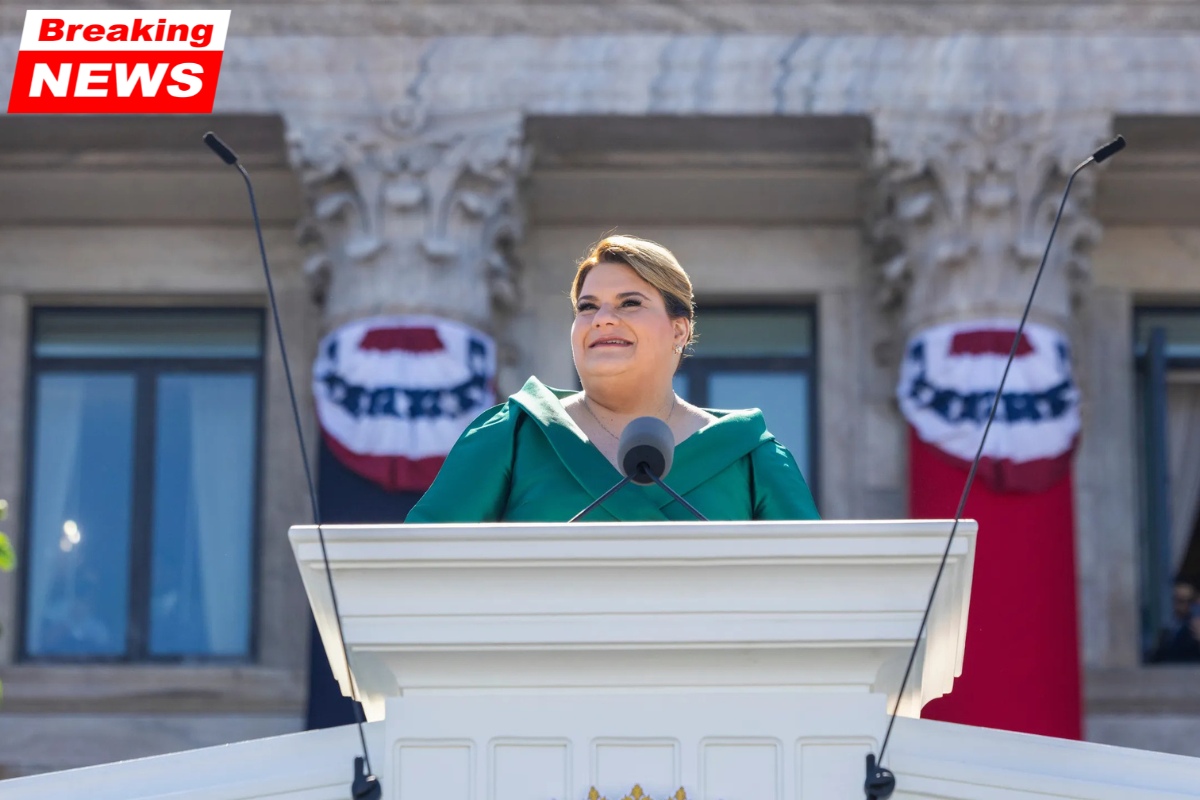
Puerto Rico Governor Jenniffer González stated that her administration had no choice but to redirect the funds after the federal government declined to release them.
The money is now expected to be used to repair and strengthen the island’s central power grid instead. While that may improve long-term infrastructure, critics argue it does little to help families who need immediate, reliable power.
Growing Demand for Solar Energy
Despite the setback, solar energy has been expanding rapidly across Puerto Rico.
Recent data shows:
- Around 3,850 solar systems installed per month in 2025
- Nearly 192,000 total installations expected by year’s end
- Over 171,000 households using battery storage systems
This growth highlights both the demand for renewable energy and the gap between those who can afford it and those who cannot.
Real-Life Impact on Families
For many residents, the loss of funding has immediate and personal consequences.
Yvette Rodríguez, who lives on the island of Culebra, depends on electricity for her medical equipment and her husband’s health needs. Frequent outages force them to throw away food and spend more money just to get by.
Similarly, María Pérez, an 80-year-old with serious health conditions, struggles to keep her medication properly stored during power cuts. Her monthly Social Security income is barely enough to cover basic expenses, yet her electricity bill often matches it.
These stories reflect a broader reality for thousands of families who were counting on the solar program.
Concerns from Advocacy Groups
Organizations like the Hispanic Federation and the Puerto Rico Statewide Independent Living Council have formally objected to the funding decision.
They argue that solar systems would provide:
- Consistent and reliable power
- Protection during natural disasters
- Greater independence for people with disabilities
Advocates also warn that rural communities, especially in mountainous areas, face even greater risks during emergencies due to limited access and infrastructure challenges.
Uncertainty as Deadline Approaches
The program faces a critical deadline in early May, and many questions remain unanswered.
While more than 6,000 homes have already received solar installations, another 12,000 families are still waiting. Some have completed eligibility screenings, while others have begun preparing their homes for installation.
The U.S. Department of Energy has indicated that some systems may still be installed, but officials have not clarified who will benefit or when.
Summary Table
| Aspect | Key Details |
|---|---|
| Funding Amount | $350 million |
| Intended Beneficiaries | 12,000 low-income families |
| Current Status | Funding halted/redirected |
| Installed Systems | 6,000+ homes completed |
| Key Concern | Medical and safety risks |
| Alternative Use | Power grid improvements |
| Deadline | Early May decision point |
The halt in solar funding for Puerto Rico highlights a difficult trade-off between long-term infrastructure repair and immediate human needs. While strengthening the power grid is important, thousands of vulnerable families are left without reliable electricity in the meantime.
As hurricane season approaches, the urgency of the situation becomes even clearer. For many residents, access to solar energy is not just about convenience. It is about health, safety, and basic quality of life. Whether the funding is restored or replaced with an effective alternative will determine how well these communities can cope in the months ahead.