The Strait of Hormuz has suddenly become one of the most dangerous places in the world. This narrow waterway, which connects the Persian Gulf to the open sea, is a lifeline for global oil supply. Right now, nearly 20% of the world’s oil passes through this route. But due to rising tensions between the United States, Israel, and Iran, shipping traffic has almost stopped. Even the powerful U.S. Navy is moving carefully before taking action.
Why the Strait of Hormuz Is So Important
The Strait of Hormuz is one of the world’s most important oil routes. It lies between Iran and Oman and connects the Persian Gulf to the Arabian Sea.
Here’s why it matters:
- Around 20% of global oil supply moves through it
- Major oil producers like Saudi Arabia, Iraq, and the UAE depend on it
- Any disruption causes oil prices to rise worldwide
Now, because of the ongoing conflict between the U.S. and Iran, the situation has become extremely tense.
What Has Happened in the Past Two Weeks
Since the U.S.-Israel conflict with Iran began, attacks near the strait have increased. The Islamic Revolutionary Guard Corps has reportedly targeted commercial ships and oil tankers.
As a result:
- Shipping traffic has slowed down sharply
- More than 300 vessels are stuck inside the Persian Gulf
- Oil markets are facing one of the biggest disruptions ever
The U.S. government says it is working to protect shipping routes. However, reports suggest that the U.S. Navy has not yet agreed to escort commercial ships through the strait.
Why the U.S. Navy Is Being Cautious
According to reports from The Wall Street Journal, U.S. defense officials believe escort missions are not possible right now. The reason is simple: Iran still has the ability to attack.
Navy officials even described the Strait of Hormuz as an Iranian “kill box,” meaning it is extremely dangerous for both warships and commercial vessels.
At a Pentagon briefing, Joint Chiefs Chairman Dan Caine admitted the threat remains serious. He said that although Iran’s naval fleet has suffered heavy damage, it still has enough weapons to harm ships in the region.
He also explained that moving large numbers of ships safely through such a narrow and risky waterway requires careful planning.
What Makes the Strait So Dangerous?
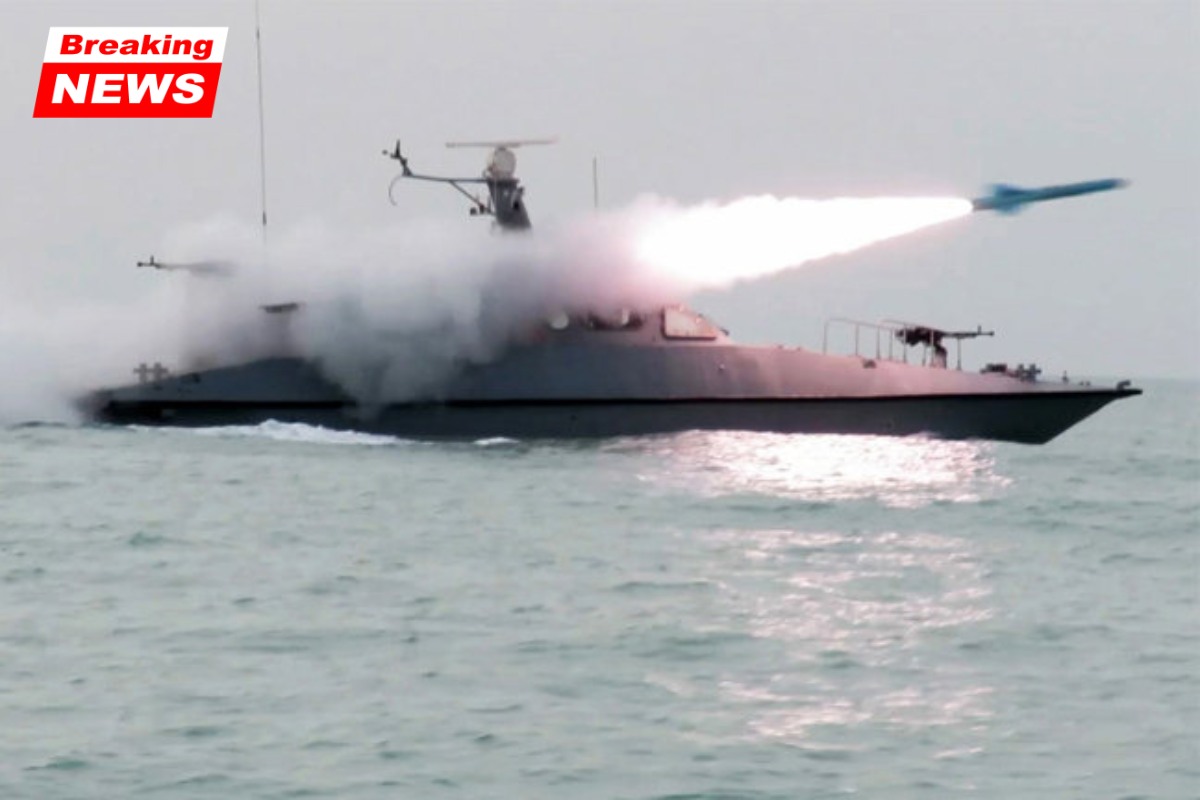
Even though Iran’s main navy has been weakened, it still has several powerful tools:
1. Anti-Ship Missiles
Iran’s coastline provides perfect launch points for missiles. These can hit ships quickly, leaving very little reaction time.
2. Shahed Drones
Shahed drone drones are low-cost but effective. They can be launched from deep inside Iran and attack targets in groups, sometimes overwhelming defence systems.
3. Small Fast Boats
Iran uses small, fast-attack boats that can surround larger ships. In one incident, an Iranian vessel moved close to the USS Abraham Lincoln aircraft carrier. A U.S. destroyer fired warning shots but missed, and later a helicopter had to step in.
4. Possible Sea Mines
Although the Pentagon says there is no confirmed evidence of mines yet, experts warn that Iran has small submarines and boats capable of laying mines secretly.
All these threats make the region highly unpredictable.
How Is This Different From the 1980s Tanker Wars?
During the late 1980s, the U.S. Navy escorted ships in the Persian Gulf during what was known as the tanker wars. However, today’s situation is more complicated.
Back then:
- Iran’s military was less advanced
- The U.S. Navy had nearly double the number of ships
- Drone warfare did not exist
Today, the technology is more advanced, and risks are higher.
Economic Impact of the Crisis
The impact is not only military but also economic.
| Issue | Impact |
|---|---|
| Oil Supply | 20% of global oil blocked |
| Shipping | 300+ vessels stranded |
| Escort Costs | May exceed cargo value |
| Global Markets | Oil prices rising |
Energy expert Jeff Currie from Carlyle Energy Pathways told The Economist that the cost of protecting one ship could be more expensive than the oil it carries.
If escort operations begin, it could take months—or even years—to clear the backlog of ships.
What Happens Next?
President Donald Trump has said the Navy may start escort operations later this month. But defence officials want to reduce Iran’s attack capability first.
Until then, the Strait of Hormuz remains tense and unpredictable.
The Strait of Hormuz crisis shows how one narrow waterway can affect the entire world. With nearly 20% of global oil supply passing through it, any disruption sends shockwaves through energy markets and global trade. Although the U.S. Navy is one of the strongest forces in the world, even it must act carefully in such a risky environment. Iran’s mix of missiles, drones, fast boats, and possible sea mines makes the situation highly complex.
History shows that naval escorts are possible, but today’s threats are far more advanced than in the past. For now, military planners are choosing caution over speed. The coming weeks will be crucial in deciding whether safe passage can be restored or if the world will continue facing rising oil prices and uncertainty. One thing is clear: what happens in the Strait of Hormuz does not stay there—it impacts every country that depends on oil and global trade.