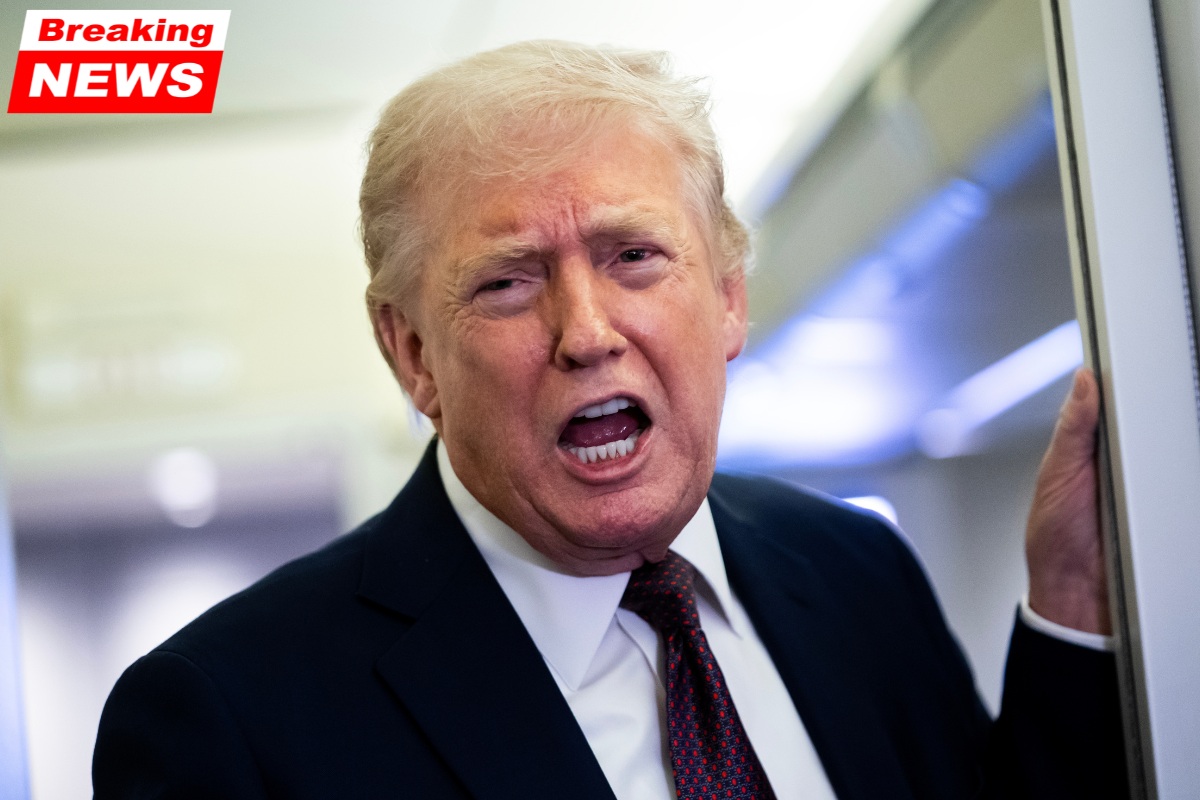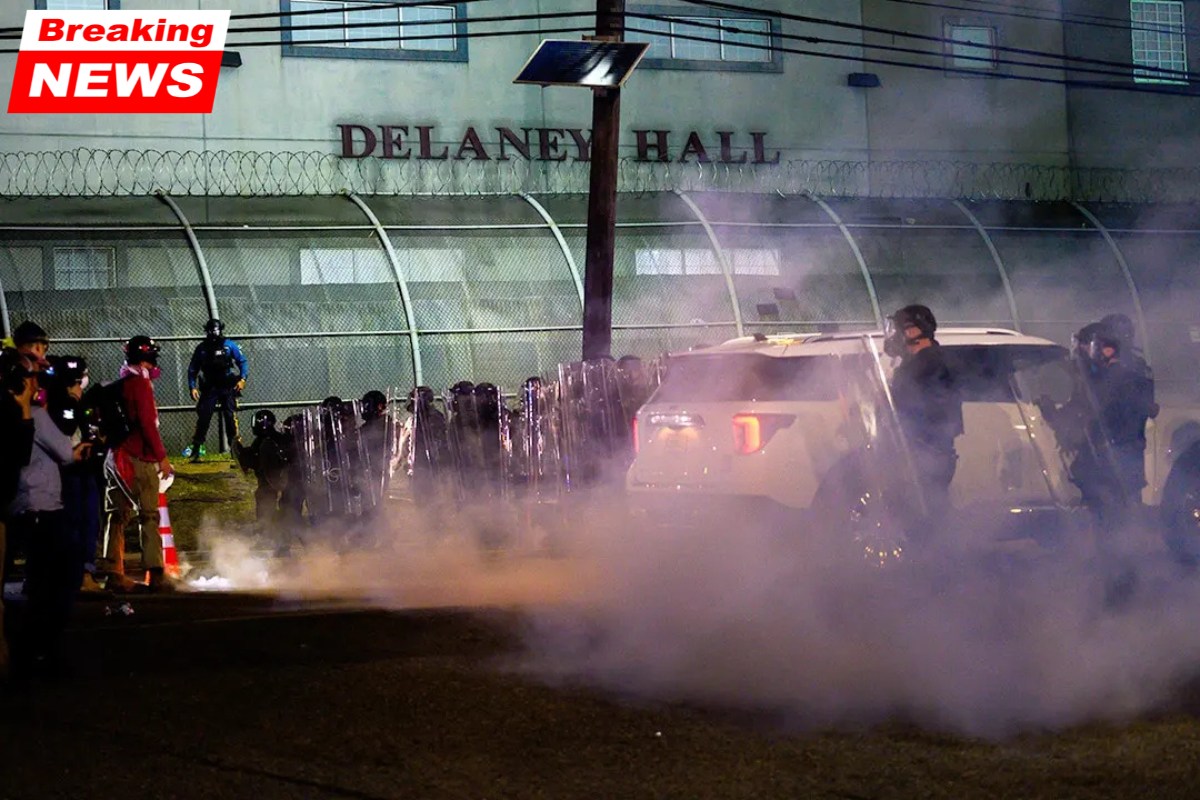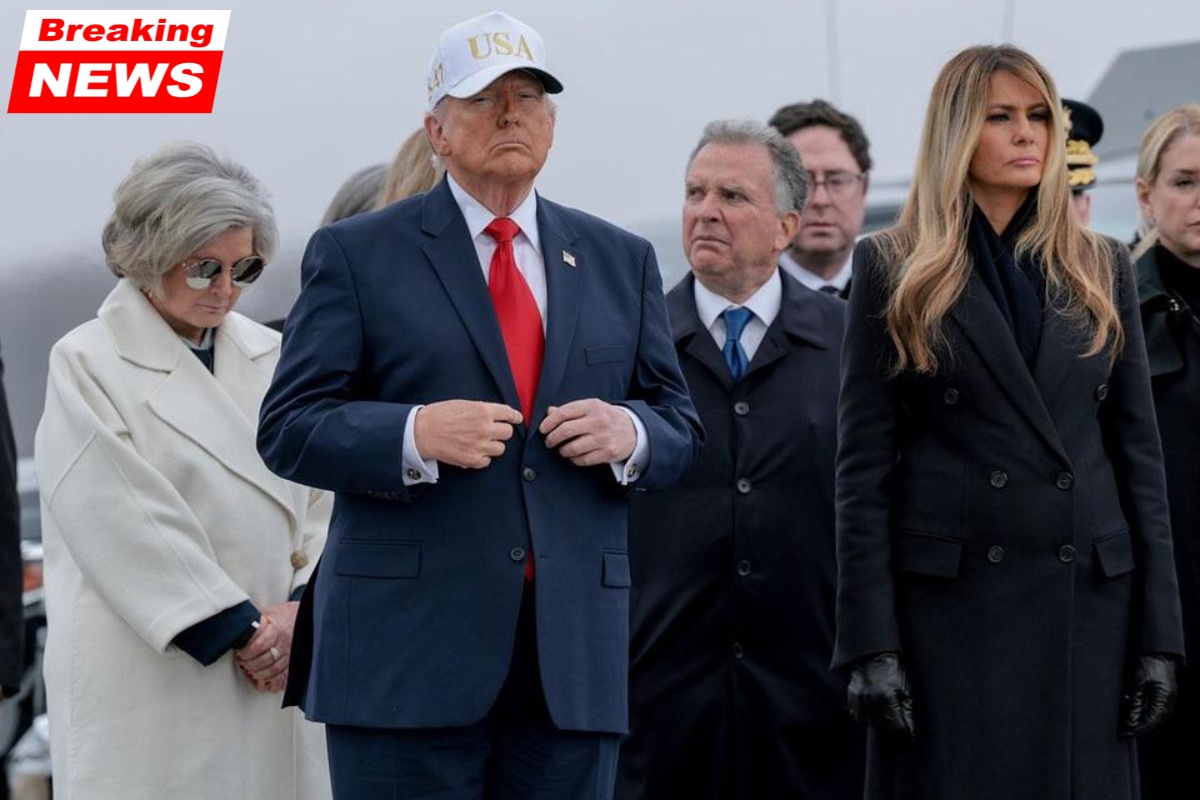
The United States has taken a strong step against Iran by ordering a blockade of oil shipments through the Strait of Hormuz. This decision, announced by Donald Trump, is aimed at putting economic pressure on Iran instead of going for direct military action.
Why the U.S. Imposed the Blockade
The main goal of the blockade is to stop Iran from earning money through oil exports, which is its biggest source of income. U.S. officials believe that cutting off this income will force Iran to return to negotiations. The U.S. wants Iran to accept stricter limits on its nuclear programme and reduce its control over important regional waterways.
However, Iran has already rejected these demands in the past. Because of this, many experts believe the blockade may increase tension instead of solving the problem.
Iran’s Warning and Reaction
Iran has clearly indicated that it will not stay silent. Mohammad Bagher Ghalibaf warned that fuel prices could rise sharply, saying people may soon miss the days of cheaper petrol. This statement shows that Iran is ready to respond economically rather than directly attacking.
Such reactions can affect not only the U.S. but also countries around the world that depend on stable oil prices.
Impact on Global Oil Prices
Oil prices have already started to rise after the announcement, although they have not yet reached extreme levels. Even a small increase in oil prices can have a big impact on daily life, especially in countries like India where fuel costs affect everything from transport to food prices.
Trump himself admitted that prices could go slightly higher. With elections coming up in the U.S., rising fuel prices could also become a political issue.
Expert Views on the Situation
Foreign policy experts believe this move is a major escalation, even if it avoids direct war. Richard Haass said that the current situation benefits Iran too much, as it has been able to control access to the strait and earn money while others suffer.
At the same time, analysts warn that the blockade could create global instability. Some worst-case predictions suggest oil prices could go as high as $175 per barrel if the situation continues for a long time.
Risks of Escalation
The Strait of Hormuz is one of the most important routes for global oil supply. Any disruption here affects many countries. While Iran may not be able to directly challenge U.S. naval power, it has other ways to create problems, such as using drones or fast attack boats to disturb shipping.
There is also uncertainty about how other countries will react. Nations like China and India, which buy large amounts of Iranian oil, could influence how effective this blockade becomes.
The U.S. blockade of Iranian oil shipments marks a serious step in the ongoing tension between the two countries. While the strategy focuses on economic pressure instead of military conflict, it carries significant risks for the global economy.
Rising oil prices, uncertainty in trade, and possible retaliation from Iran could make the situation worse. Much will depend on how long the blockade continues and how other countries respond. For now, the world is watching closely, as this situation could shape global energy markets and international relations in the coming months.