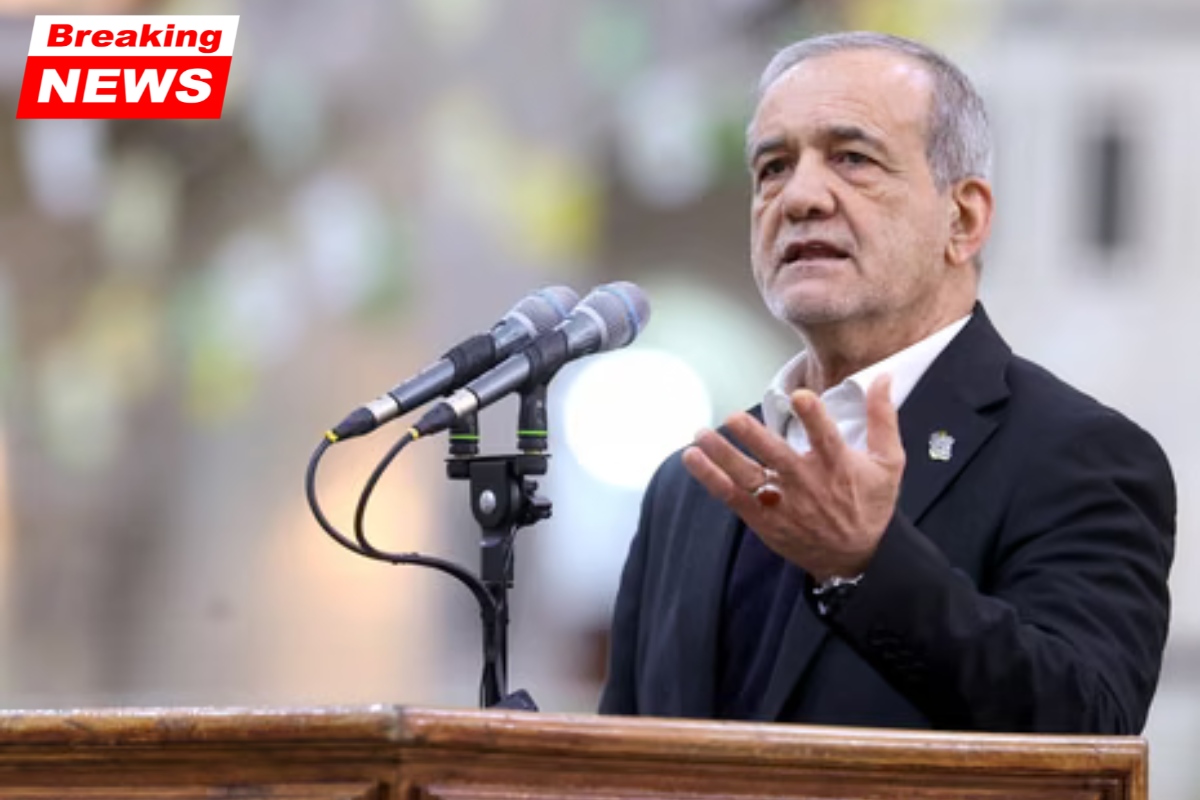
Masoud Pezeshkian issued an unusual open letter addressed directly to the American people, criticizing the ongoing conflict involving Iran, the United States, and Israel.
In his message, he described the war as “absurd” and warned that continued confrontation would be costly and ineffective for all sides. The letter reflects a rare attempt by an Iranian leader to communicate beyond governments and speak directly to U.S. citizens.
Key Details at a Glance
| Aspect | Details |
|---|---|
| Iranian Leader | Masoud Pezeshkian |
| Audience | American public |
| Main Message | War is costly and futile |
| Conflict Status | Fifth week of war |
| US Position | Claims Iran requested ceasefire |
| Iran’s Response | Denies ceasefire request |
What Pezeshkian Said in His Letter
In his address, Pezeshkian framed the conflict as a critical moment for global decision-making.
He argued that the world is at a crossroads, where continuing down the path of confrontation would lead to unnecessary costs and long-term damage. He also emphasized Iran’s historical resilience, noting that past aggressors have faded while Iran has endured.
The letter highlighted a broader theme: the choice between war and peace will shape the future for generations to come.
Why This Letter Is Unusual
Direct communication from Iranian leadership to the American public is rare.
Observers interpret this move as a strategic effort to influence public opinion in the United States. By appealing directly to citizens, Iran may be attempting to increase pressure on the U.S. government to reconsider its involvement in the conflict or move toward a ceasefire.
This approach suggests a shift from traditional diplomatic channels to more public-facing messaging.
Conflicting Claims Over a Ceasefire
At the same time, tensions remain high between both governments.
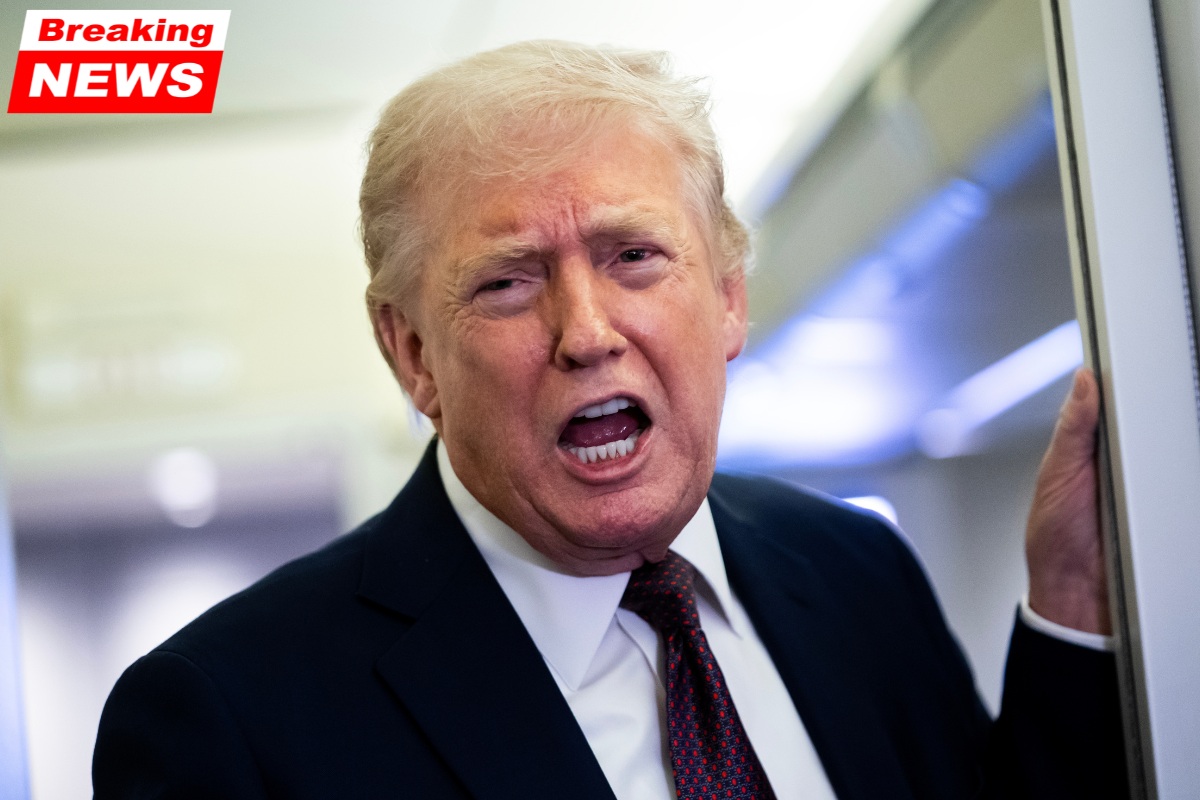
Donald Trump stated that Iran had requested a ceasefire. However, Iran quickly rejected this claim.
A spokesperson from Iran’s foreign ministry, quoted by state broadcaster Islamic Republic of Iran Broadcasting, called the statement false and unfounded.
This contradiction highlights the ongoing information battle alongside the military conflict.
Strategic Importance of the Strait of Hormuz
A major point of tension is the Strait of Hormuz, one of the world’s most critical النفط shipping routes.
Since the war began on February 28, shipping through the strait has nearly stopped, raising concerns about global energy supplies and oil prices.
Trump has issued an ultimatum demanding that Iran reopen the route by April 6, adding urgency to an already volatile situation.
Current State of the Conflict
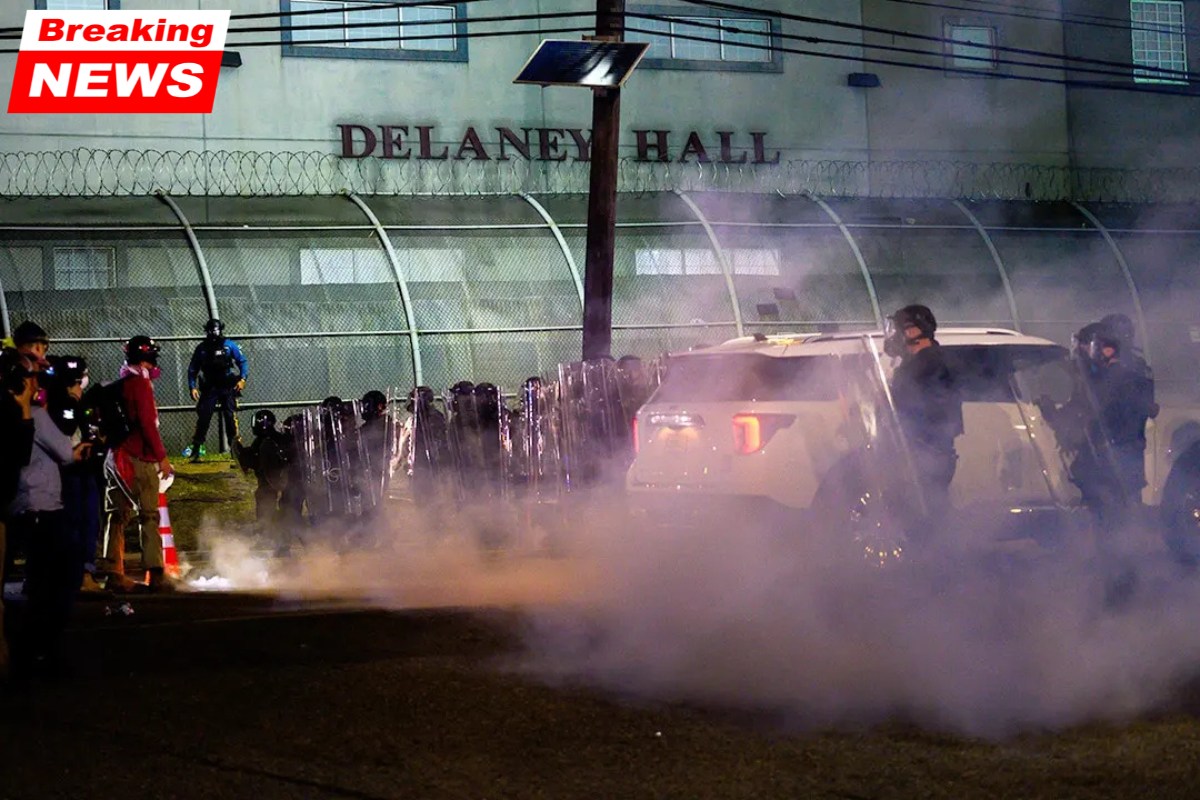
The war, involving the United States and Israel against Iran, has now entered its fifth week.
Key developments include:
- Ongoing military operations
- Disruptions to global oil transport
- Rising geopolitical tensions
- Public messaging campaigns from both sides
The situation remains fluid, with both diplomatic and military actions unfolding simultaneously.
Why This Moment Matters Globally
This conflict is not just a regional issue. It has broader implications for:
- Global energy markets
- International security
- Diplomatic relations between major powers
- Public opinion in democratic countries
Pezeshkian’s letter signals an awareness that global perception, especially within the United States, can influence policy decisions.
Masoud Pezeshkian’s open letter represents a rare and strategic attempt to reach beyond governments and speak directly to the American public. While calling for a shift away from conflict, the message arrives amid escalating tensions, conflicting narratives, and high-stakes geopolitical pressure.
With deadlines approaching and key trade routes disrupted, the coming days will be critical in determining whether the situation moves toward de-escalation or further conflict.