A recent court decision in the United States has sparked debate about press freedom and national security. The ruling affects how journalists can access one of the country’s most important government buildings — the Pentagon — and raises questions about the balance between transparency and safety.
Court Decision on Pentagon Access
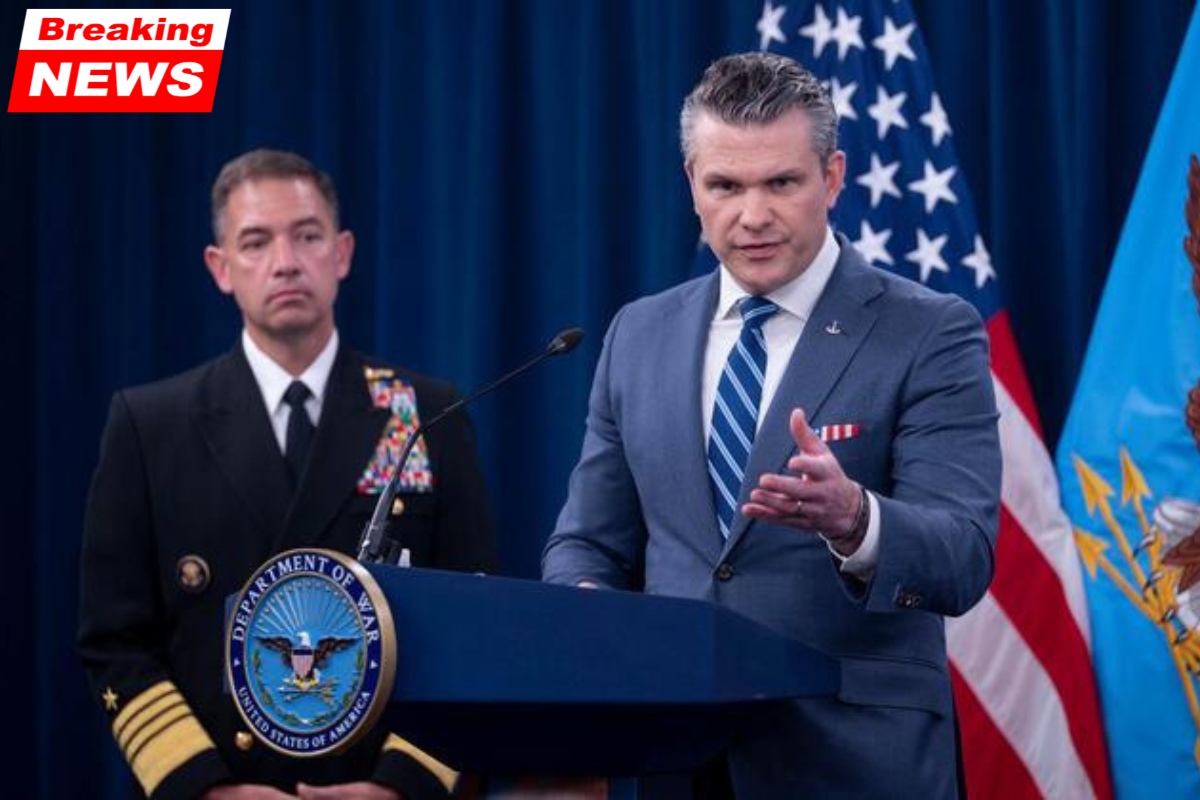
A three-judge panel from a federal appeals court ruled that journalists must continue to be escorted while inside the Pentagon for now. This decision temporarily supports a policy introduced by the United States Department of Defense.
The ruling came after the department requested a pause, or “stay,” on part of an earlier court order that had blocked its new access rules for reporters. The appeals court agreed with this request in a 2-to-1 decision, meaning the escort requirement will remain in place until further legal review.
Background of the Case
The issue started when The New York Times challenged the Pentagon’s updated policy in court. In March, U.S. District Judge Paul Friedman ruled in favour of the newspaper, saying parts of the policy were not valid.
The policy, introduced in September 2025, required journalists to sign an agreement. This document warned that their access could be removed if they were considered a security risk. This included actions like trying to access restricted areas or sharing sensitive information, even if that information was not officially classified.
Why the Appeals Court Supported the Pentagon
The appeals court said the Pentagon had provided enough reasoning to support its rules. According to the court, the Department of Defense argued there was a link between reporters moving freely inside the building and leaks of sensitive or classified information.
The judges said that protecting national security is an important responsibility. Because of this, they felt that requiring escorts for journalists could be a reasonable step to reduce risks.
Concerns About Press Freedom
At the same time, the judges also recognised concerns about how the policy could affect journalism. They pointed out that requiring reporters to follow strict access conditions might limit the kind of questions they ask or the topics they cover.
The court noted that this issue is not just about journalists but also about the public. If reporters face restrictions, it could impact how much information reaches people about government activities.
Different Opinions Among Judges
The decision was not unanimous. While two judges supported the Pentagon’s position, one judge disagreed. Michelle Childs argued that the department may have tried to avoid following the earlier court order by introducing a revised version of the policy.
She stated that once a court gives a decision, it should not be bypassed through changes that achieve the same result in a different way.
Pentagon’s Response
A spokesperson for the Defense Department welcomed the ruling. They said that journalists still have access to press briefings, conferences, and interviews, even with the escort requirement in place.
The department also repeated that the policy is meant to protect sensitive information and not to restrict journalism.
What Happens Next
This decision is temporary and will remain in effect while the legal case continues. The final outcome will depend on further court hearings and decisions in the appeal process.
Until then, journalists visiting the Pentagon will need to be accompanied by escorts while inside the building.
This case highlights the ongoing challenge of balancing national security with press freedom. While governments must protect sensitive information, a free and independent press is also essential in keeping the public informed.
The final decision in this case will be important not just for journalists but for everyone who depends on accurate and open reporting about government actions. Finding the right balance between safety and transparency remains a key issue in modern democracies.