Rising tensions in the Middle East are increasing fears of a wider conflict, as strong statements from Iranian leaders and military movements by the United States point to a highly sensitive situation.
Iran warns of strong retaliation
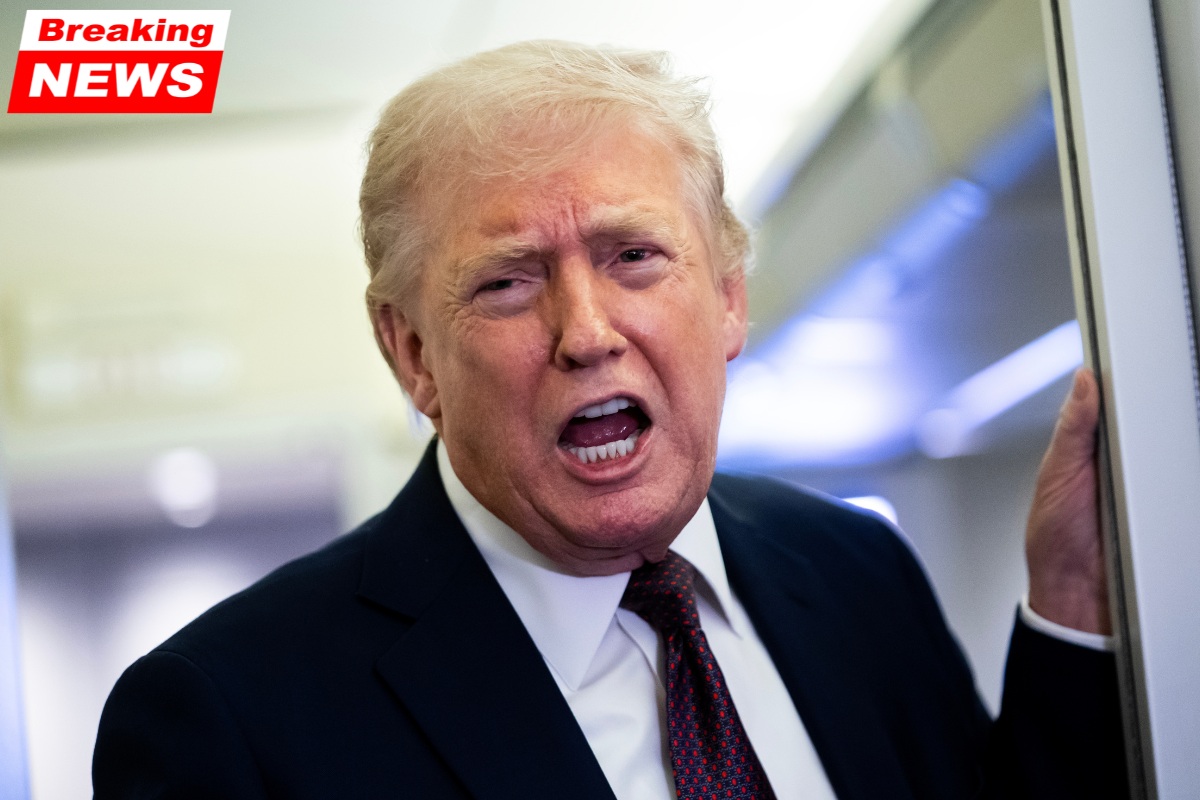
Mohammad Bagher Ghalibaf, a senior leader in Iran, said Iranian armed forces are prepared for a possible ground invasion by United States troops.
He warned that if such an invasion happens, Iran would respond aggressively and punish not only U.S. forces but also its regional allies. He also accused the U.S. of publicly talking about negotiations while secretly preparing for military action.
Reports of possible US military plans
According to recent reports, U.S. officials may be considering ground operations in Iran. These operations, if they happen, could last several weeks.
At the same time, the U.S. has not confirmed any final decision regarding a ground invasion.
Marco Rubio stated that the U.S. can achieve its goals without sending ground troops, suggesting that military escalation may still be avoided.
Military buildup in the region
The situation has intensified with the arrival of U.S. forces in the region.
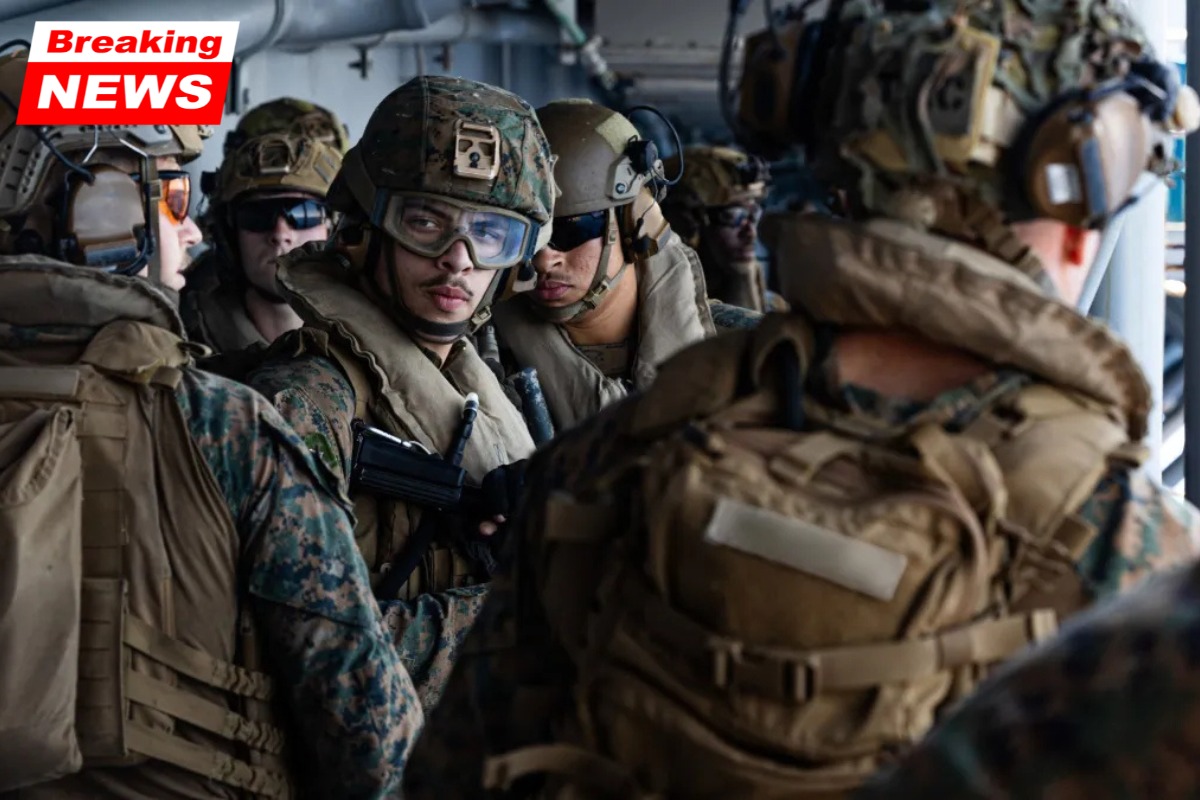
The USS Tripoli, along with a large group of Marines and military assets, has been deployed.
This group includes:
- Around 3,500 sailors and Marines
- Fighter aircraft and transport units
- Amphibious and tactical equipment
Such deployments are often seen as a signal of readiness, even if no immediate action is planned.
Rising regional tensions
The situation is not limited to Iran and the U.S. alone.
The Iran-aligned Houthis have also increased their activity. They claimed to have launched another attack on Israel and warned that more operations could follow.
This shows how the conflict could spread across multiple countries and groups in the region.
Why this situation is serious
This development is concerning because it involves multiple powerful actors and could escalate quickly.
Key risks include:
- A possible ground war involving major military forces
- Wider regional conflict involving allied groups
- Disruption to global trade and energy supply
- Increased instability in the Middle East
Even statements alone can increase tensions and lead to further military preparations.
A fragile and uncertain moment
The current situation shows how quickly global tensions can rise. While some leaders are calling for restraint, others are using strong language that could increase the risk of conflict.
For now, there is no confirmed ground invasion, but the military buildup and warnings from both sides suggest that the situation remains highly uncertain.
The coming days will be important in determining whether diplomacy can reduce tensions or whether the conflict could grow into something much larger.