
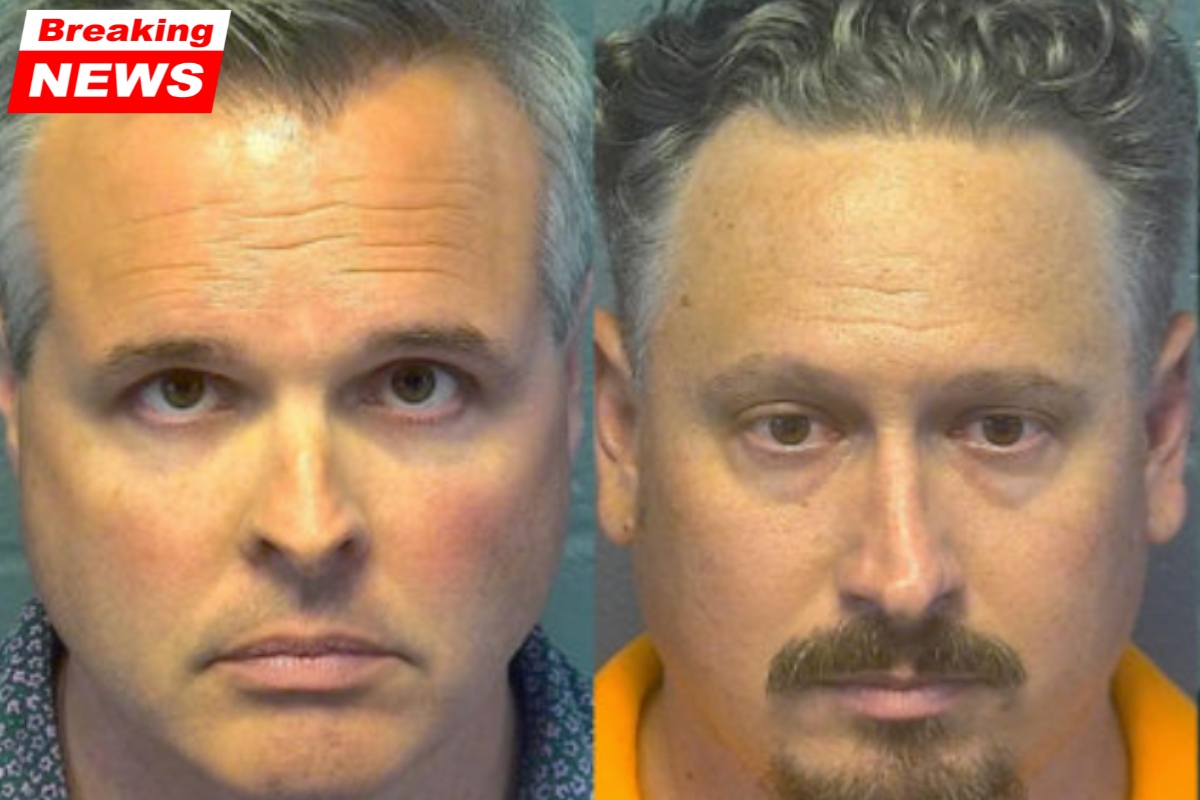
Nearly four years after their arrests, the criminal case against Epic Charter Schools founders David Chaney and Ben Harris has taken a major step forward.
Oklahoma County Special Judge Jason Glidewell ruled that prosecutors presented enough evidence for most of the charges against both men to proceed to trial. However, the judge dismissed one embezzlement count against both defendants and one computer fraud charge against Chaney.
A formal arraignment is now scheduled for June 24, marking the next phase in the long-running case.
Allegations of Fraud and Misuse of Public Funds
Prosecutors charged Chaney and Harris in 2022 with 14 felony counts each, including embezzlement, conspiracy, fraud, and racketeering. The charges stem from their management of Epic Charter Schools, one of Oklahoma’s largest virtual school systems.
Authorities allege the pair diverted tens of millions of dollars intended for students into their private company, Epic Youth Services. According to prosecutors, the men used the structure of the school and its management company to personally profit from public education funds.
Judge Rejects Key Defense Argument
A central argument from the defense was that once public funds were transferred into private business accounts, they became private money.
Judge Glidewell rejected this claim, stating the funds remain public until they are used for their intended purpose — educating students. This ruling undercuts a key part of the defense strategy moving forward.
State Calls It Largest Misuse of Taxpayer Funds
The case originated from a 2020 audit conducted by the state auditor, which described the situation as the largest abuse of taxpayer dollars in Oklahoma history.
Investigators found that Epic’s management company collected over $69.3 million in fees between 2013 and 2021. Of that amount:
- $25 million went to Harris
- $23 million went to Chaney
- $7 million went to Brock
In total, prosecutors say the trio split $55 million.
Key Witness Testimony and Financial Details
A major part of the prosecution’s case comes from Josh Brock, Epic’s former chief financial officer, who is also charged but is cooperating with prosecutors.
Brock testified that:
- He received 10% of company profits, while Chaney and Harris each received 45%
- The group used shell companies and false invoices to hide profits
- Expenses were often based on estimates rather than actual costs
Prosecutors also allege that public funds were used for:
- Political donations
- Expenses tied to a California charter school
- Personal credit card purchases
Additionally, investigators said the company controlled a student learning fund meant for items like laptops and extracurriculars, but kept unused funds instead of returning them to the school.
Years of Delays Before This Hearing
The case has faced significant delays. Thursday’s hearing originally began in 2024 but stalled after defense attorneys attempted to remove the trial judge. Although higher courts rejected the request, the judge eventually stepped down, prolonging the process.
Over eight days of testimony, the court heard from:
- The Oklahoma State Bureau of Investigation
- State auditors
- Epic staff
- Josh Brock
What Happens Next
With probable cause established for most charges, the case now moves toward trial. Both Chaney and Harris deny any wrongdoing.
The upcoming arraignment on June 24 will formally advance the case, which could become one of the most significant public corruption trials in Oklahoma history.






