
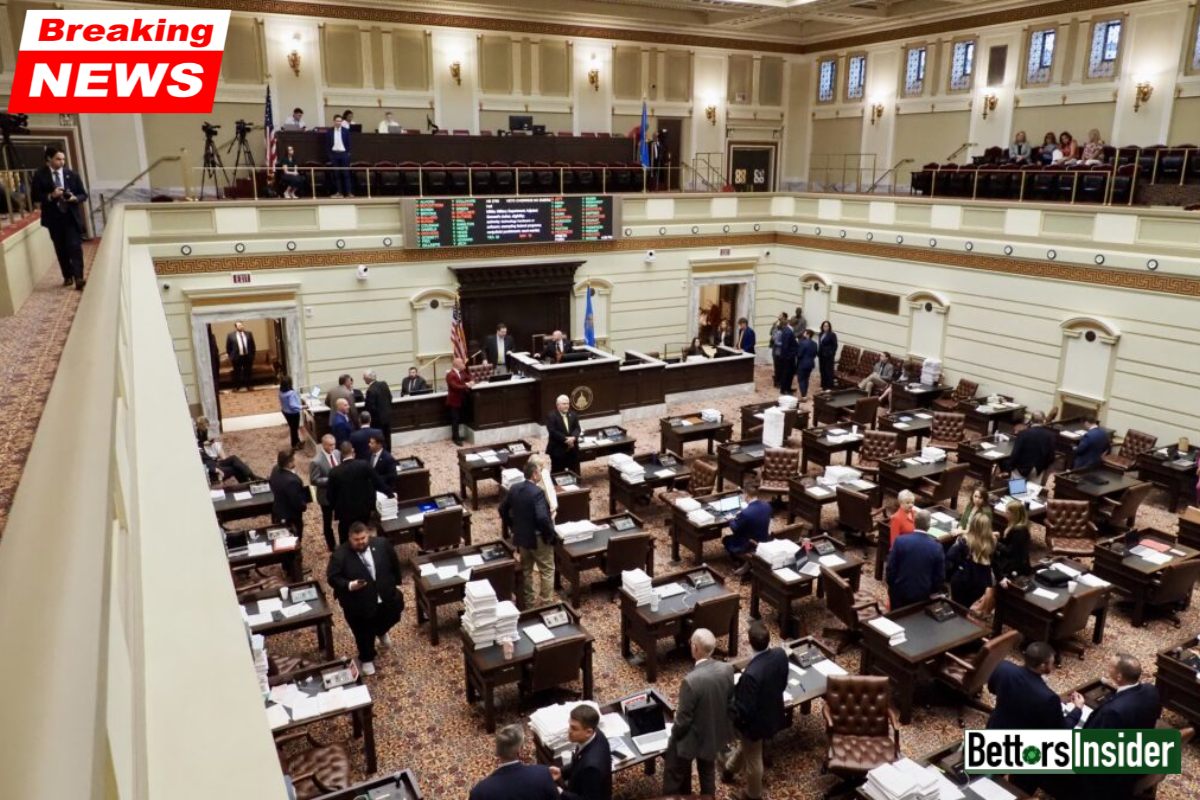
On May 15, 2026, the Oklahoma Legislature voted to override Governor Kevin Stitt’s veto of Senate Bill 1589 (SB 1589), a measure banning sweepstakes casinos from operating in the state. The Senate approved the override 34-10, and the House followed with a 68-19 vote, exactly meeting the two-thirds threshold required in the 101-member chamber.
The law will take effect November 1, 2026, making Oklahoma the third state in 2026 to enact legislation specifically targeting sweepstakes casino platforms, alongside Indiana and Maine.
Governor’s Veto and Legislative Response
Stitt initially vetoed SB 1589 on May 7, citing concerns that the bill used vague language and could impose criminal penalties on apps intended for entertainment rather than traditional gambling. He expressed particular concern that the broad definitions in the bill might criminalize legitimate software products.
Despite the governor’s veto, the legislature maintained strong support for the measure. Earlier in the session, the Senate had passed the bill unanimously 48-0. The successful override demonstrates broad legislative consensus on restricting sweepstakes casino operations in Oklahoma.
Key Provisions of SB 1589
SB 1589 introduces a new definition of online casino games, classifying any gambling that involves a “representative of value” as illegal. Key provisions include:
- Representative of Value: Any currency used in a dual-currency system that allows players to exchange it for prizes, awards, cash, or cash equivalents.
- Targeted Model: The law specifically addresses the Sweeps Coins model, under which players buy Gold Coins for entertainment and receive Sweeps Coins as a redeemable bonus.
- Criminal Penalties: Operating or facilitating a dual-currency online casino is classified as a Class C2 felony, punishable by fines of $500-$2,000 and up to 30 days in jail.
The law affects not only casino operators but also suppliers, geolocation services, promoters, and affiliates. Oklahoma residents using sweepstakes casinos have until November 1 to redeem balances and wind down gameplay.
Table: Overview of Oklahoma SB 1589
| Category | Details |
|---|---|
| Bill Number | Senate Bill 1589 (SB 1589) |
| Legislative Action | Veto overridden by Oklahoma Legislature, May 15, 2026 |
| Effective Date | November 1, 2026 |
| Target | Sweepstakes casinos using dual-currency models (e.g., Sweeps Coins) |
| Criminal Classification | Class C2 felony |
| Penalties | $500–$2,000 fines; up to 30 days imprisonment |
| Affected Parties | Operators, suppliers, geolocation providers, promoters, affiliates |
| Legislative Votes | Senate 34-10 override; House 68-19 override |
| Precedent States in 2026 | Indiana (effective July 1), Maine (mid-July) |
Industry and Regulatory Context
The Oklahoma override follows similar legislative actions in other states. Indiana’s sweepstakes casino ban takes effect July 1, 2026, and Maine’s is expected mid-July. Several other states have introduced comparable measures, reflecting growing legislative scrutiny of sweepstakes casino operations nationwide.
Oklahoma is particularly notable because it marks the first instance in 2026 where a governor vetoed an anti-sweepstakes bill but was overridden, signaling a strong legislative consensus.
For operators, Oklahoma will no longer be accessible after November 1, 2026, unless the law is successfully challenged in court. Criminal penalties for affiliates and geolocation providers create operational risk for platforms continuing to serve players in banned jurisdictions.
Players currently using sweepstakes casinos in Oklahoma should take steps to redeem Sweeps Coins before the law takes effect.
The Oklahoma Legislature’s override of Governor Stitt’s veto on SB 1589 establishes one of the most comprehensive state-level bans on sweepstakes casinos in 2026.
With criminal penalties for operators and affiliates, the law underscores the state’s commitment to regulating dual-currency gaming platforms and protecting residents from potential gambling-related harms. Residents and operators alike should prepare for compliance ahead of the November 1 effective date.






