The Trump administration is asking a federal appeals court to uphold its earlier ruling that halted a contempt inquiry into the treatment of several immigrants who were illegally deported to El Salvador. The case has become a significant legal clash over executive authority, court orders, and the limits of judicial oversight.
Background: Contempt Inquiry Initiated
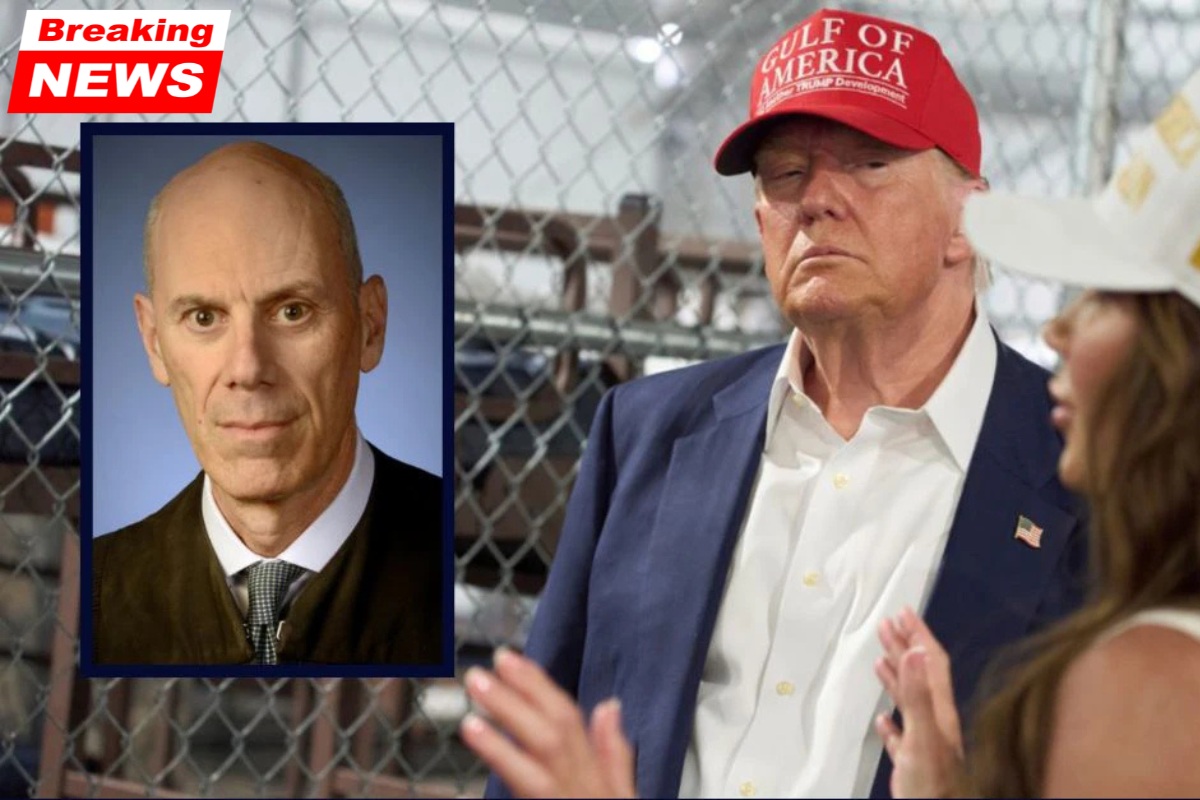
The inquiry was started by U.S. District Judge James Boasberg, who has a history of rulings that have frustrated President Donald Trump’s immigration policies. In mid-April 2025, Boasberg found probable cause that the government could be in contempt for violating a March 2025 court order.
That order had instructed the Trump administration to turn around two planes carrying 238 Venezuelan immigrants who were headed to CECOT, a notorious prison in El Salvador. The deportations were conducted under the Alien Enemies Act (AEA) of 1798, despite the court order.
Boasberg, appointed under George W. Bush and later elevated by Barack Obama, believed the government’s actions violated his temporary restraining order and could warrant a criminal contempt referral. The detainees had filed petitions for habeas corpus and other relief, which set the legal controversy in motion.
Appeals Court Halts Contempt Inquiry
On April 14, 2026, a divided panel of the U.S. Court of Appeals for the District of Columbia Circuit issued a writ of mandamus to stop the contempt inquiry. The decision, authored by Judges Neomi Rao and Justin Walker—both Trump appointees—told Boasberg to halt his investigation into the executive branch.
In dissent, Judge J. Michelle Childs, an Obama appointee, disagreed with the majority’s approach.
The appeals court’s ruling came nearly one year after the original district court order, effectively blocking further investigation into the government’s handling of the deportations.
ACLU Seeks Reconsideration
Earlier this month, the American Civil Liberties Union (ACLU), representing the deported immigrants, asked the full court to reconsider the ruling. According to the ACLU, the panel’s decision conflicts with the reality of the case.
“The panel’s 2-1 ruling mandated that Chief Judge Boasberg end his criminal contempt inquiry into the brazen violation of his order not to remove Plaintiffs to El Salvador—a violation that resulted in Plaintiffs being subjected to months of abuse and torture at the notorious CECOT prison,” the ACLU argued in its petition.
Trump Administration Opposes Rehearing
The U.S. Department of Justice (DOJ) has now filed a 20-page opposition to the ACLU’s petition for an en banc hearing. The motion argues that the panel correctly concluded that no contempt charge could succeed.
“The panel in this case granted a writ of mandamus to stop the district court from conducting a wide-ranging inquisition into national-security and foreign-policy deliberations of senior Executive officials,” the motion reads.
It specifically criticises attempts to put government lawyers on the stand for cross-examination in connection with a potential criminal contempt referral.
The DOJ says the district court’s order was not clear and that the testimony sought was irrelevant to any potential contempt referral. The government also argues that criminal contempt requires a “clear and unambiguous order,” which Boasberg’s March 15, 2025, temporary restraining order did not meet.
Disputed Facts and Legal Arguments
According to the DOJ, the actions of the Trump administration in March 2025 did not violate any court orders. The government maintains that Boasberg’s order was unclear, too broad, or otherwise open to interpretation, making a contempt charge impossible.
The administration further argues that the district court could have referred the matter for criminal contempt earlier, and continuing the inquiry now would serve no purpose other than escalating tensions between the judiciary and the executive.
“Rehearing would only raise the temperature and tee up a series of difficult questions the panel did not have to confront, without serving any real purpose,” the motion states. “The Court should deny the petition.”
Judge Boasberg’s Position
Boasberg has spent months attempting to determine whether senior officials willfully violated his temporary restraining order, particularly in connection with deportations of individuals allegedly affiliated with the Tren de Aragua gang. The judge’s efforts included seeking testimony from government counsel and officials involved in the decision-making.
Despite the DOJ’s objections, Boasberg argued that a thorough investigation was necessary to enforce court orders and ensure accountability for actions affecting the safety and rights of immigrants.
The case represents a high-profile clash over executive authority, judicial oversight, and the limits of contempt powers. The Trump administration is urging the appeals court to maintain the earlier decision halting the inquiry, while the ACLU pushes for a full court review.
At its core, the case raises questions about how far courts can go in policing actions taken by the executive branch, particularly in matters involving national security and foreign policy.