
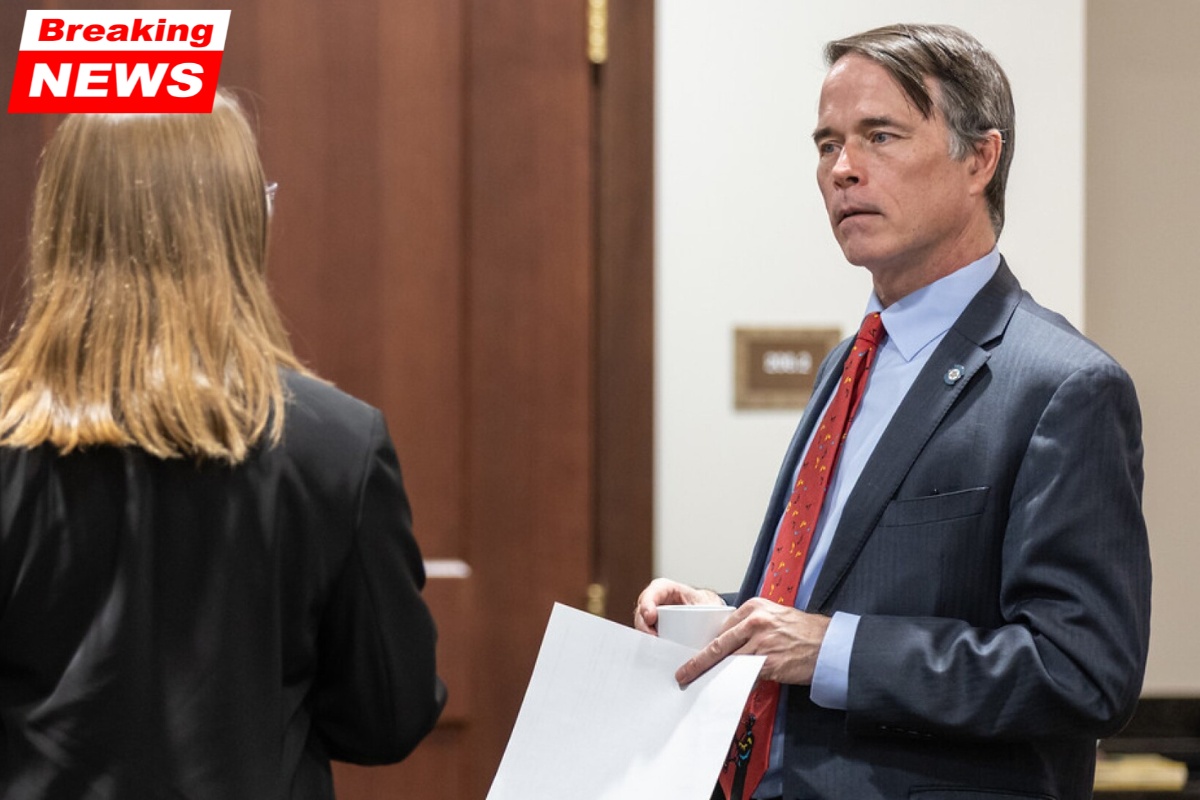
An unusual controversy involving artificial intelligence has surfaced in Oklahoma politics, after John Waldron confirmed that his resignation as chair of the state’s Democratic Party was tied to an AI-generated video.
Waldron had stepped down from the leadership role in December after just six months, initially citing “personal reasons.”
What Led to the Resignation
According to reporting by NonDoc, the resignation followed an incident involving a woman who was considering running for office.
Waldron said he used artificial intelligence to create a video that appeared to show the two of them kissing, using photos of both individuals. He then sent the video to the woman, later stating that doing so was not intentional.
He described the situation as a mistake made during a period of stress and said he has accepted responsibility for his actions.
Waldron’s Explanation
Waldron acknowledged the incident and said it played a role in his decision to step down.
He also suggested there may be broader circumstances connected to the situation, referencing a separate controversy involving alleged fake audio recordings that portrayed him making racially insensitive remarks about former party chair Alicia Andrews.
According to Waldron, the complaint related to the video led directly to his resignation, and he respected a request for confidentiality at the time.
Political Fallout
Despite the controversy, Waldron has filed for re-election. However, party leadership has distanced itself from him.
Cyndi Munson stated that the Democratic Party would not support his campaign.
He is expected to face a primary challenge from Kristina Gabriel, a public health worker.
Questions Around AI Use in Politics
The incident raises broader concerns about the use of artificial intelligence in political settings.
Creating manipulated media—sometimes referred to as “deepfakes”—can blur the line between reality and fabrication, potentially impacting reputations and trust.
Even when not publicly distributed, such content can have serious personal and professional consequences.
Incident Summary Table
| Detail | Information |
|---|---|
| Lawmaker | John Waldron |
| State | Oklahoma |
| Position | Former Democratic Party Chair |
| Resignation Date | December |
| Reason (Initial) | Personal reasons |
| Actual Cause | AI-generated video incident |
| Additional Context | Alleged fake audio controversy |
| Current Status | Running for re-election |
| Party Support | Not supported |
Why This Matters
This case highlights the growing role of AI in everyday situations—including politics—and the ethical challenges it brings.
It also shows how personal conduct, especially involving digital tools, can quickly become a political issue with real consequences.
As AI technology becomes more accessible, similar situations may become more common, raising questions about accountability and boundaries.
John Waldron’s resignation sheds light on a new kind of political controversy—one shaped by artificial intelligence and digital manipulation.
While he has acknowledged the incident and continues his political campaign, the fallout underscores the risks associated with emerging technologies. As the situation develops, it may further influence how AI is viewed and regulated in political spaces.






