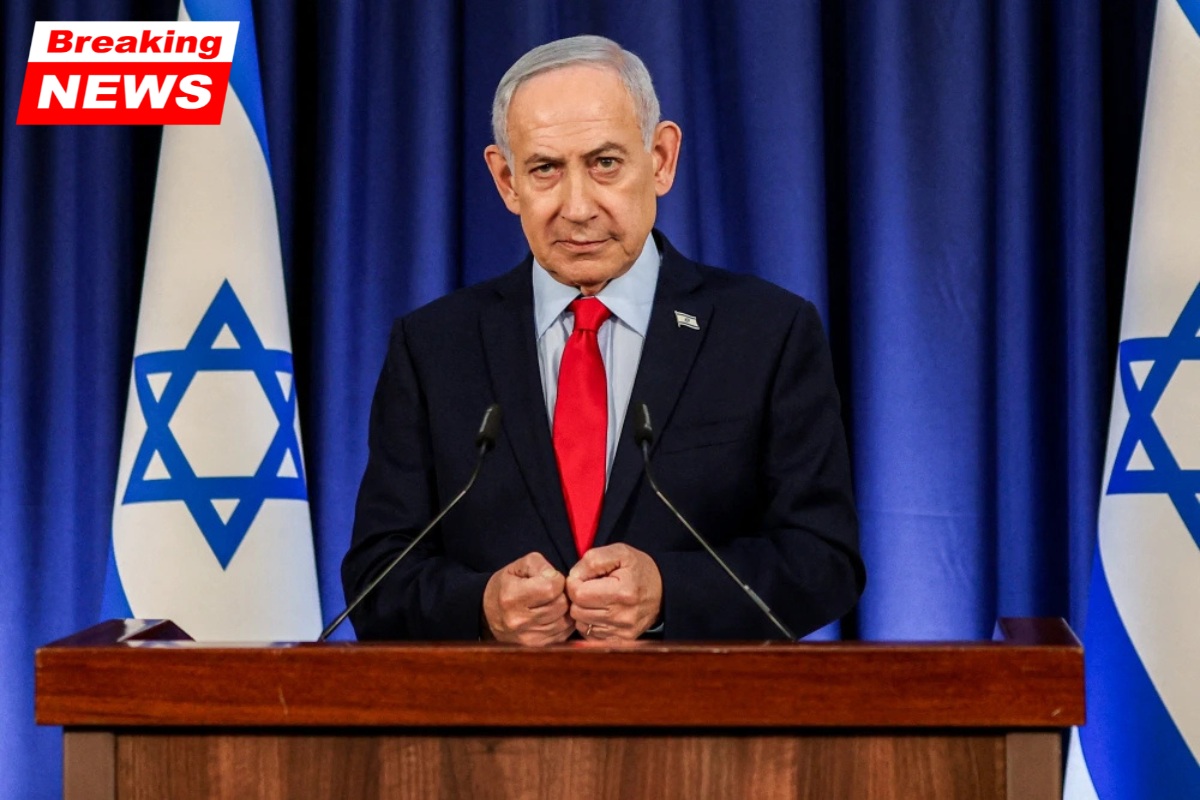
On Monday, Israel’s Parliament passed a controversial law that approves the death penalty for Palestinians convicted of murdering Israelis. This marks the culmination of years of lobbying by Israel’s far-right factions, particularly those advocating for tougher penalties for Palestinians involved in nationalistic offenses against Israelis. Prime Minister Benjamin Netanyahu voted in favor of the bill in person, solidifying its passage.
Details of the Law
The new law mandates the death penalty — by hanging — as the default punishment for Palestinians in the West Bank convicted of nationalistic killings. The legislation also allows Israeli courts to impose either the death penalty or life imprisonment for Israeli citizens convicted of similar crimes. However, the law is not retroactive and will only apply to future cases.
The law, which passed with great enthusiasm from right-wing lawmakers, has sparked sharp criticism from both Israeli and Palestinian human rights groups. Critics argue that the law is discriminatory, draconian, and unlikely to deter Palestinian attackers.
Political Reactions and Celebrations
When the bill passed, the chamber erupted into cheers, with Itamar Ben-Gvir, Israel’s Minister of National Security, celebrating by brandishing a bottle. Ben-Gvir, who spearheaded the push for the law, emphasized the law’s importance, calling it a sign of Israel’s strength and national pride. Netanyahu, however, sat motionless during the celebration, reflecting the deep divisions over the legislation.
Limor Son Har-Melech, a far-right lawmaker and one of the bill’s original sponsors, wiped tears from her eyes during the vote. Har-Melech’s first husband was killed in a Palestinian militant attack in the West Bank, which added a personal dimension to her support for the law.
Legal Challenges and Criticism
Shortly after the law’s passage, the Association of Civil Rights in Israel petitioned the country’s highest court, challenging the law. The group called the law “discriminatory by design” and argued that it was enacted without legal authority over Palestinians in the West Bank.
International human rights organizations, including the United Nations, have also condemned the bill. Many view it as establishing a legal hierarchy, where Palestinians are subject to stricter punishments than Israeli citizens for similar offenses.
What’s in the Bill?
The bill introduces a clear distinction in how Palestinians and Israelis are treated under Israeli law. Military courts, which only try West Bank Palestinians who are not Israeli citizens, would handle cases involving Palestinians convicted of murdering Israelis “as an act of terror.” These courts could impose the death penalty, but the bill allows for life imprisonment in special circumstances.
For Israeli citizens, including Palestinian citizens of Israel, Israeli courts would have the option to impose either the death penalty or life imprisonment in cases where the crime was committed with the intent to harm Israeli citizens or to reject the existence of Israel.
Amichai Cohen, a senior fellow at the Israel Democracy Institute, criticized the bill, pointing out that it would only apply to Palestinians and not Israelis. He argued that the bill, in its current form, discriminates against Palestinians by creating two distinct legal systems.
International and Domestic Concerns
The bill has faced significant criticism not only from Palestinian groups but also from international legal experts. According to Cohen, Israel’s parliament should not be legislating in the West Bank, as the territory is not recognized as sovereign Israeli land. Many in Netanyahu’s coalition have expressed interest in annexing the West Bank, further complicating the legal and territorial issues surrounding this law.
The bill has also raised concerns among opposition lawmakers, who worry that it could undermine future negotiations with Palestinian groups, particularly regarding hostage exchanges. Israel has previously exchanged Palestinian prisoners for hostages, including a notable exchange in October 2023 following the attack by Hamas.
Content Summary Table
| Key Detail | Information |
|---|---|
| New Law | Death penalty for Palestinians convicted of murdering Israelis; applies only to future cases |
| Punishment | Hanging is the default punishment for West Bank Palestinians convicted of nationalistic killings |
| Opposition | Israeli and Palestinian rights groups, UN, and international legal bodies strongly oppose the bill |
| Criticism | The law creates a hierarchy, imposing harsher penalties for Palestinians; discriminatory legal framework |
| Political Reactions | Celebrations in Parliament, with Ben-Gvir brandishing a bottle; Netanyahu remained motionless |
| Military Courts vs. Israeli Courts | Military courts for West Bank Palestinians, Israeli courts for Israeli citizens |
| Legal Challenge | The Association of Civil Rights in Israel has petitioned the highest court, calling the law discriminatory |
| International Concerns | The law may undermine future hostage negotiations and goes against Israel’s position at the UN on the death penalty |
Concerns Over Human Rights and Future Implications
The Public Committee Against Torture in Israel, an advocacy group, expressed concerns over the country’s position on the death penalty, noting that Israel has consistently voted in favor of abolishing the death penalty at the United Nations. Furthermore, Israel’s security agency, Shin Bet, had previously opposed the death penalty, fearing that it could lead to further revenge attacks by Palestinian militants.