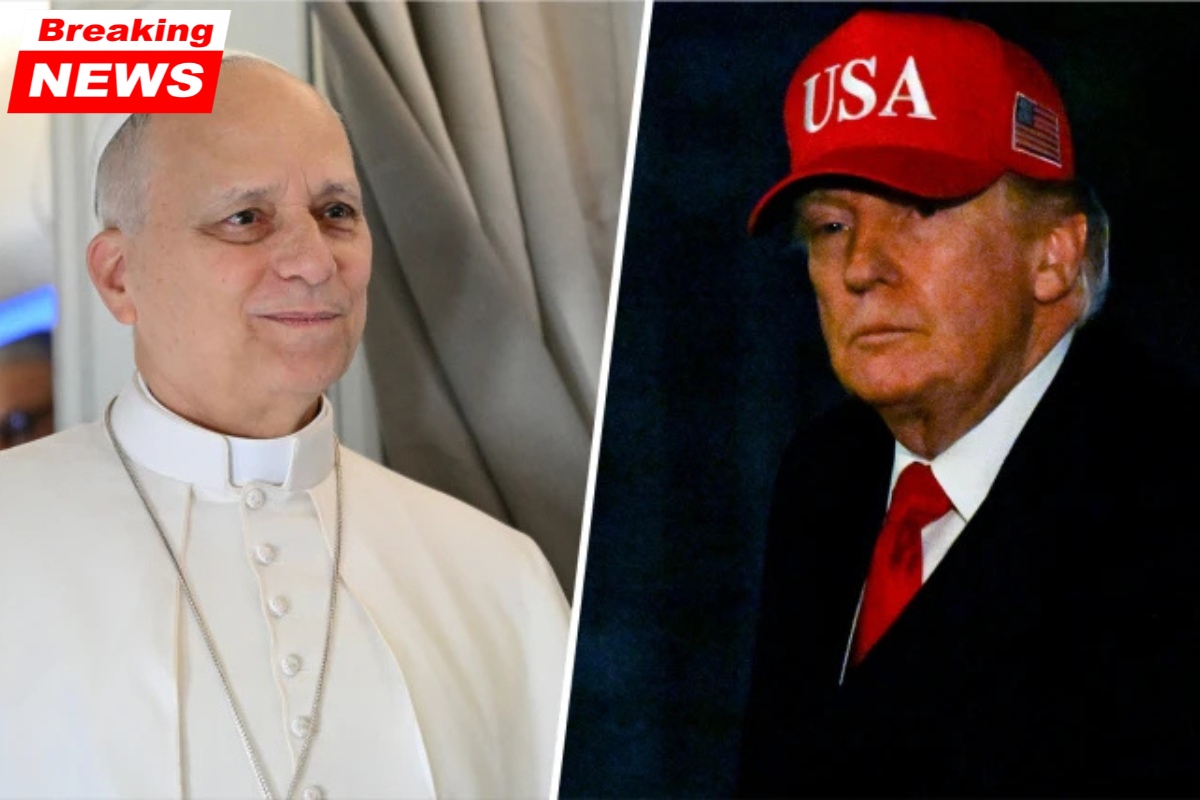
Pope Leo XIV’s recent trip to North Africa was meant to be a deeply personal pilgrimage rooted in faith, history, and reconciliation. However, the visit has taken on a broader global significance due to his escalating public disagreement with U.S. President Donald Trump over the war with Iran. What began as a spiritual journey has evolved into a moment of political and moral confrontation, drawing attention from leaders and observers worldwide.
A Spiritual Homecoming to St. Augustine’s Legacy
The pope’s visit to Annaba, Algeria, holds deep symbolic importance. This city was once known as Hippo, where St. Augustine lived, preached, and developed his influential teachings on morality, faith, and just war.
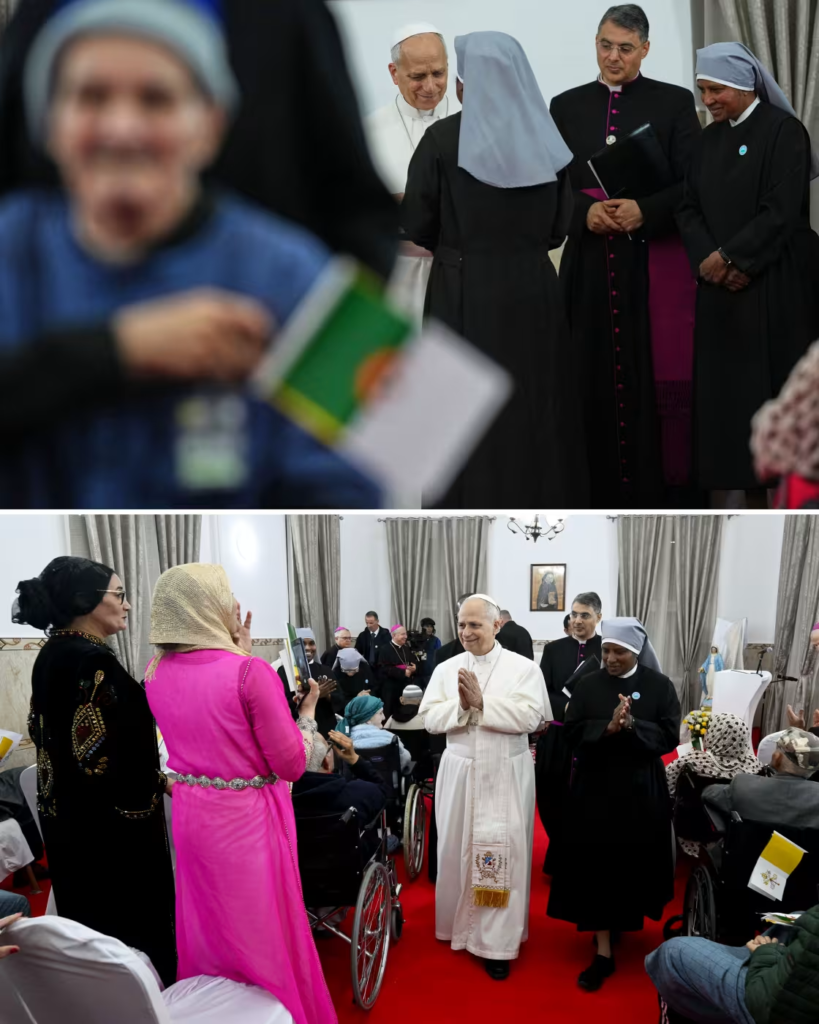
As a member of the Augustinian order, Pope Leo XIV considers himself a spiritual descendant of St. Augustine. During his visit, he prayed at the ancient ruins, planted an olive tree, and participated in symbolic gestures of peace such as releasing white doves. These actions were intended to reflect Augustine’s teachings on reconciliation and moral responsibility.
The pope described Augustine as “a bridge of interreligious dialogue,” emphasizing the need to continue building connections across cultures and faiths. His message focused on unity, dignity, and peaceful coexistence, especially in a region historically marked by religious diversity.
A Message of Peace Amid Global Conflict
Despite the spiritual tone of the visit, global politics quickly overshadowed the pope’s message. His criticism of escalating tensions with Iran, particularly rhetoric suggesting widespread destruction, became a focal point of international attention.
Speaking in Annaba, Pope Leo XIV expressed sorrow over ongoing conflicts, stating that “God’s heart is torn apart by wars, violence, injustice and lies” [1]. His words reflected a broader concern about the moral cost of war and the responsibility of global leaders to prioritize peace.
This perspective aligns closely with St. Augustine’s doctrine of “just war,” which permits conflict only under strict moral conditions, primarily to protect the innocent. By invoking this tradition, the pope positioned himself within a long-standing theological framework while addressing modern geopolitical tensions.
Escalating Tensions with Donald Trump
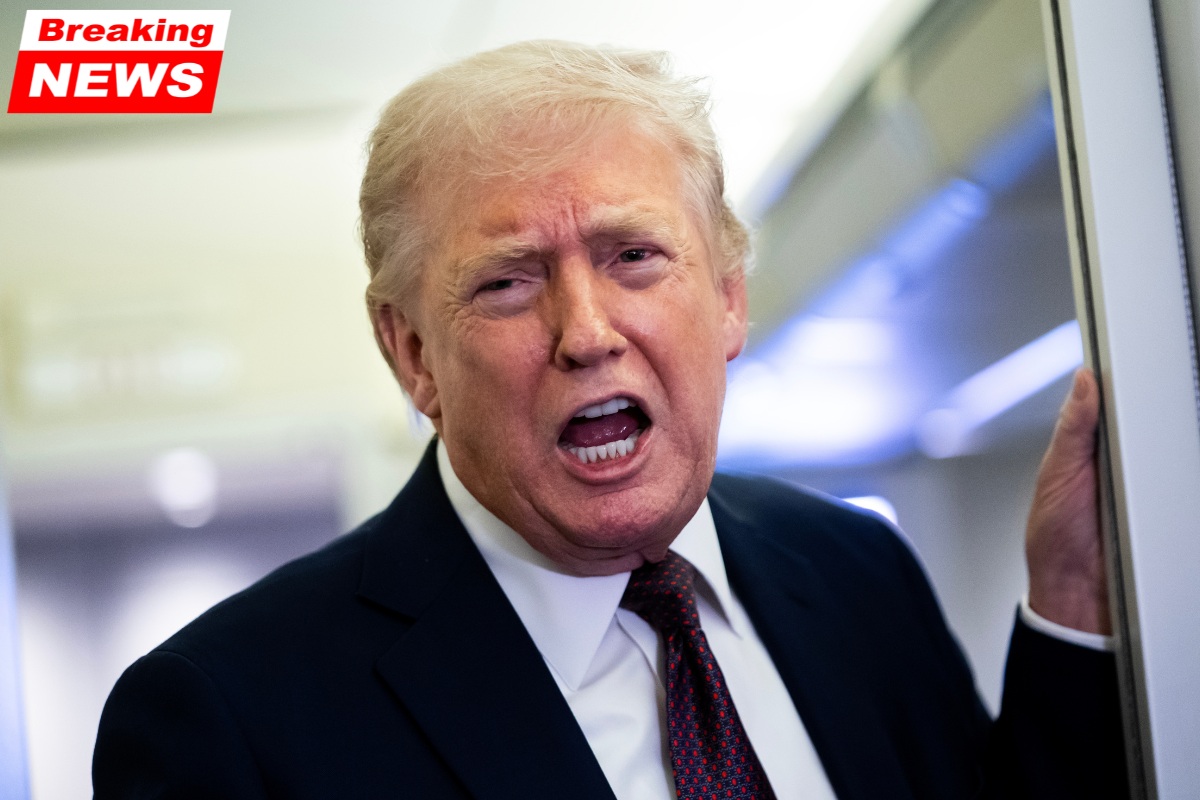
The situation intensified following public exchanges between Pope Leo XIV and Donald Trump. After Trump issued a stark warning to Iran, suggesting catastrophic consequences if peace terms were not met, the pope described such rhetoric as “truly unacceptable” [1]
Trump responded with sharp criticism, calling the pope “weak on crime” and “terrible for foreign policy.” He also posted controversial imagery portraying himself with Christ-like symbolism, which sparked widespread backlash before being removed.
The exchange drew reactions from global figures. Italian Prime Minister Giorgia Meloni described Trump’s remarks as unacceptable, while Archbishop Paul Coakley expressed disappointment. Meanwhile, Vice President JD Vance suggested the pope should be cautious when discussing complex issues like just war, referencing historical conflicts such as World War II.
These reactions highlight the unusual nature of the dispute. While political leaders often clash, direct public tension between a pope and a major political figure is rare in modern times.
A Shift in Papal Communication Style
Pope Leo XIV’s response marks a notable change in his leadership style. For much of his papacy, he has been cautious and measured, avoiding direct political confrontation. However, this incident suggests a willingness to speak more openly when moral principles are at stake.
According to historian Miles Pattenden, the pope likely felt compelled to respond in order to maintain his credibility as a global advocate for peace [1]. Remaining silent in the face of extreme rhetoric could have undermined his moral authority.
This shift reflects a broader challenge faced by modern religious leaders: balancing spiritual leadership with engagement in global political issues. Pope Leo XIV appears to be navigating this balance by grounding his statements in theological tradition while addressing contemporary realities.
Interreligious Dialogue and Cultural Engagement
Beyond political tensions, the pope’s visit also emphasized interfaith understanding. In Algeria, a predominantly Muslim country, he began his remarks with the greeting “assalamu alaikum,” signaling respect and openness.
He visited the Great Mosque of Algiers and spoke about the importance of truth, dignity, and mutual respect. He also warned against the misuse of religious language, noting that it can become a tool for “violence and oppression” when distorted [1].
These efforts highlight the Vatican’s ongoing commitment to interreligious dialogue. By engaging directly with Muslim communities, the pope reinforced the idea that shared values can bridge cultural and religious divides.
Journey Across Africa: A Broader Mission
The Algeria visit is just the first leg of a wider African tour. The pope’s itinerary includes Cameroon, Angola, and Equatorial Guinea, with a focus on peacebuilding and humanitarian outreach.
In Cameroon, separatist groups announced a temporary ceasefire to allow the pope to attend a peace meeting. This development underscores the influence religious figures can have in conflict zones, even if only temporarily.
The broader trip reflects a strategic effort to engage with regions facing political instability, economic challenges, and social divisions. By visiting these Countries, Pope Leo XIV aims to amplify messages of reconciliation and hope.
Key Highlights Summary
| Aspect | Details |
|---|---|
| Location | Annaba, Algeria (ancient Hippo) |
| Purpose | Pilgrimage honoring St. Augustine |
| Key Message | Peace, interreligious dialogue, moral responsibility |
| Political Context | Dispute with Donald Trump over Iran conflict |
| Global Reactions | Criticism from European leaders and religious figures |
| Next Destinations | Cameroon, Angola, Equatorial Guinea |
Pope Leo XIV’s visit to North Africa was intended as a spiritual journey rooted in history and faith. However, it has become a defining moment in his papacy, highlighting the intersection of religion, politics, and global conflict.
By invoking the teachings of St. Augustine, the pope has reinforced a message that remains relevant today: war must be approached with moral caution, and peace should always be the ultimate goal. His willingness to speak out, even at the risk of political backlash, signals a more assertive approach to leadership.
At the same time, his efforts to promote interreligious dialogue and cultural understanding demonstrate a broader vision of unity. As his African tour continues, the world will be watching to see how he balances these complex roles.