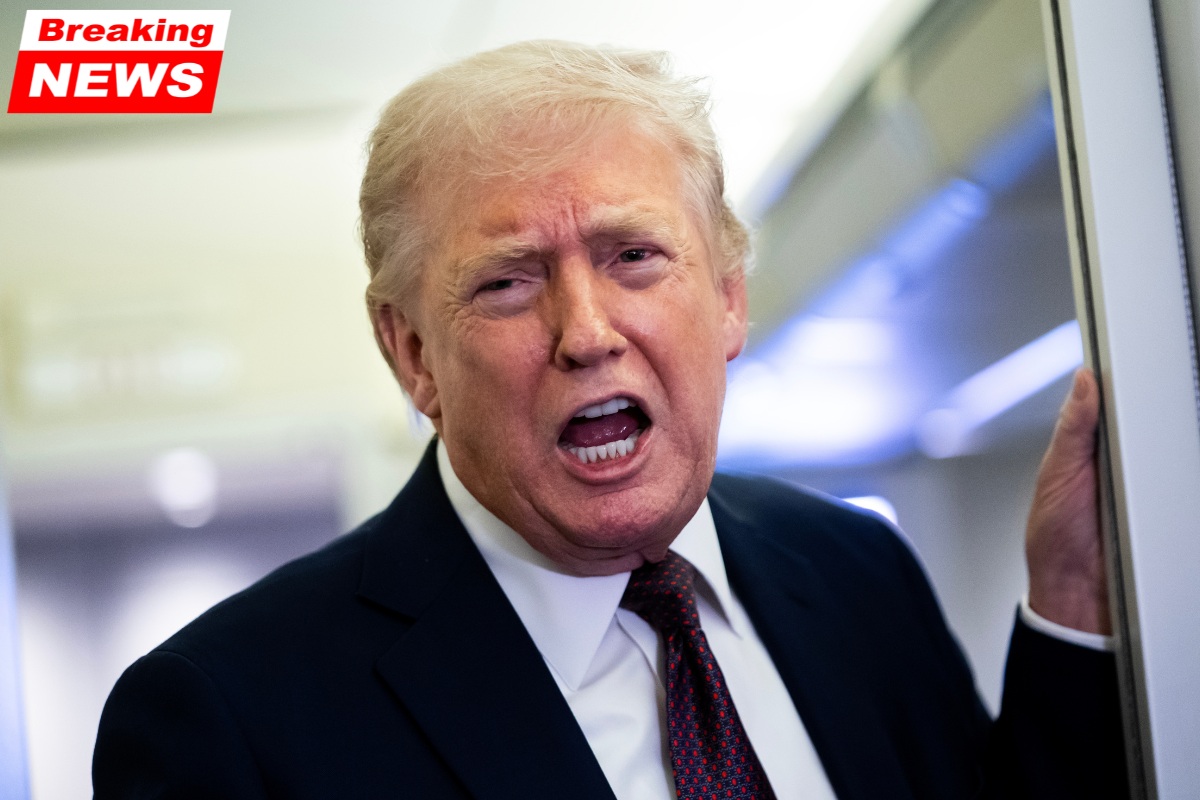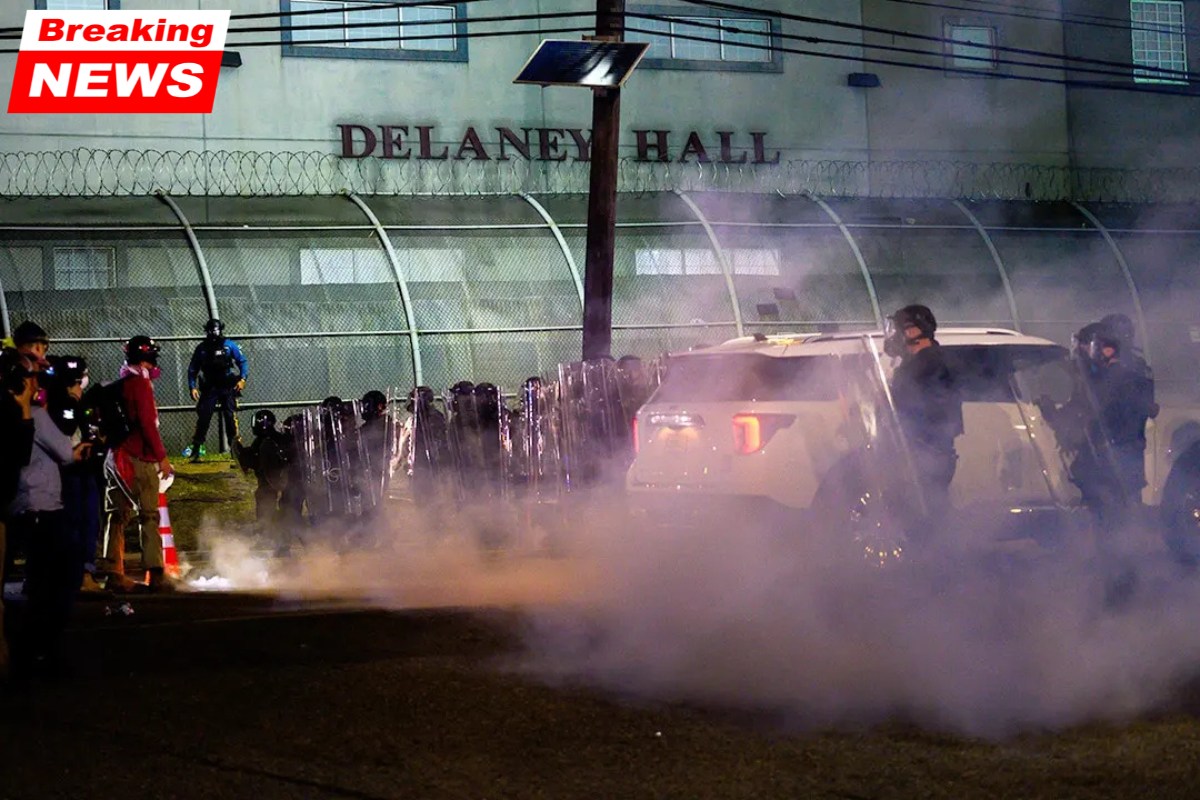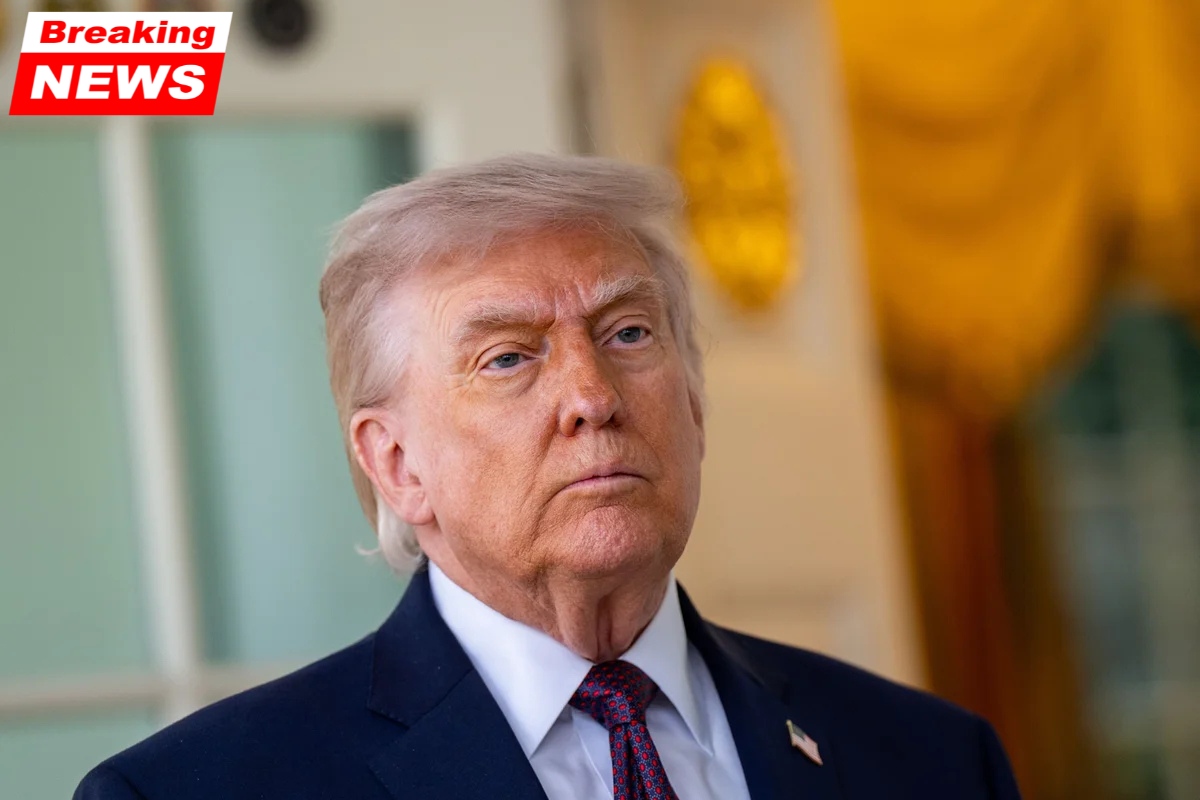
The current war involving Donald Trump’s administration and Benjamin Netanyahu has created a rapidly shifting geopolitical situation. Analysts caution that any firm conclusion may quickly become outdated, given how fluid events remain. However, one emerging pattern is difficult to ignore: ongoing negotiations appear to be circling back to the framework of the Joint Comprehensive Plan of Action originally brokered under Barack Obama.
This has raised a fundamental question—after significant loss of life and economic disruption, is the outcome materially different from what already existed nearly a decade ago?
Rising Human and Economic Costs
The war has already resulted in thousands of deaths and widespread destruction across the region. Beyond the immediate humanitarian toll, the ripple effects have spread globally, particularly across Asia, Europe, and Africa, where economies are grappling with volatile energy prices.
Fuel costs have surged, contradicting public statements from Donald Trump that prices remain manageable. Reports suggest that in parts of the United States, citizens are traveling long distances in search of affordable fuel, highlighting the disconnect between official messaging and everyday reality.
These economic disruptions underscore a broader issue: modern conflicts no longer remain contained within borders. Instead, they quickly evolve into global crises, affecting supply chains, inflation rates, and public sentiment worldwide.
Strategic Flashpoint: The Strait of Hormuz
A critical development is Iran’s renewed threat to close the Strait of Hormuz—a narrow but vital passage through which a significant portion of the world’s oil supply flows.
This announcement came shortly after assurances from Donald Trump that such a move would not be possible. The contradiction has raised concerns in global markets, where traders appear increasingly responsive to signals from Iranian leadership rather than U.S. statements.
The potential closure of this route is not just symbolic. It represents a tangible threat to global energy stability, with the capacity to trigger price shocks and supply shortages on a massive scale.
Negotiations and Policy Reversal Concerns
Despite the scale of the conflict, negotiations now seem to be revisiting core elements of the 2015 nuclear deal. Reports suggest that the administration may even consider releasing up to $20 billion in previously frozen Iranian assets as part of a potential agreement.
Critics, including commentator Brian Krassenstein, argue that this raises serious questions about the strategic value of the war. If the end result resembles the original agreement, the justification for the conflict becomes harder to defend.
Additionally, recent demands—such as requiring Iran to surrender enriched uranium—mirror provisions already addressed under the original framework. This overlap has fueled perceptions that policy direction is inconsistent or reactive rather than strategic.
Military Posturing and Risk of Escalation
Even as negotiations continue, signs point to ongoing military preparedness. The administration is reportedly engaging with companies like Ford Motor Company to explore converting manufacturing capacity toward munitions production.
This dual-track approach—negotiating peace while preparing for escalation—reflects the uncertainty surrounding the situation. It also signals that the possibility of renewed conflict remains very real.
The financial cost of the war, estimated at around $55 billion, adds another layer of pressure. Sustaining such expenditures while managing domestic and global economic challenges may prove increasingly difficult.
Ceasefire Deadline and Political Stakes
April 22 has emerged as a critical deadline for the current ceasefire. With no formal agreement signed, tensions remain high. While there is cautious optimism in Washington, there is also growing awareness that the administration’s credibility is on the line.
For Donald Trump, the challenge is not just securing a deal, but doing so in a way that aligns with his political narrative. However, the broader reality is that global economic stability now outweighs individual political considerations.
Summary of Key Developments
| Aspect | Current Situation |
|---|---|
| Conflict Impact | Thousands dead; infrastructure damage across the Gulf |
| Economic Effects | Rising global fuel prices; supply chain disruptions |
| Strategic Risk | Possible closure of the Strait of Hormuz |
| Negotiation Direction | Return to 2015 JCPOA-like framework |
| Financial Cost | Estimated $55 billion spent |
| Political Pressure | High stakes for U.S. administration credibility |
| Ceasefire Deadline | April 22, with no confirmed agreement |
The war in Iran has, so far, produced a paradox. Despite immense human, economic, and political costs, the emerging outcome appears to resemble a return to earlier diplomatic arrangements. This raises difficult questions about strategy, decision-making, and long-term impact.
At the same time, the situation remains highly unstable. The threat of escalation persists, particularly with developments around the Strait of Hormuz and ongoing military preparations. Markets, governments, and citizens alike are left navigating uncertainty.
Ultimately, the path forward will depend on whether a sustainable agreement can be reached—one that stabilizes not just the region, but the global economy as a whole.