A major legal development in Ohio has drawn attention after an appeals court overturned multiple charges against a convicted killer, citing a violation of constitutional rights during trial. The case raises important questions about fairness in the justice system and how courtroom procedures can impact verdicts.
Case Overview and Key Individuals
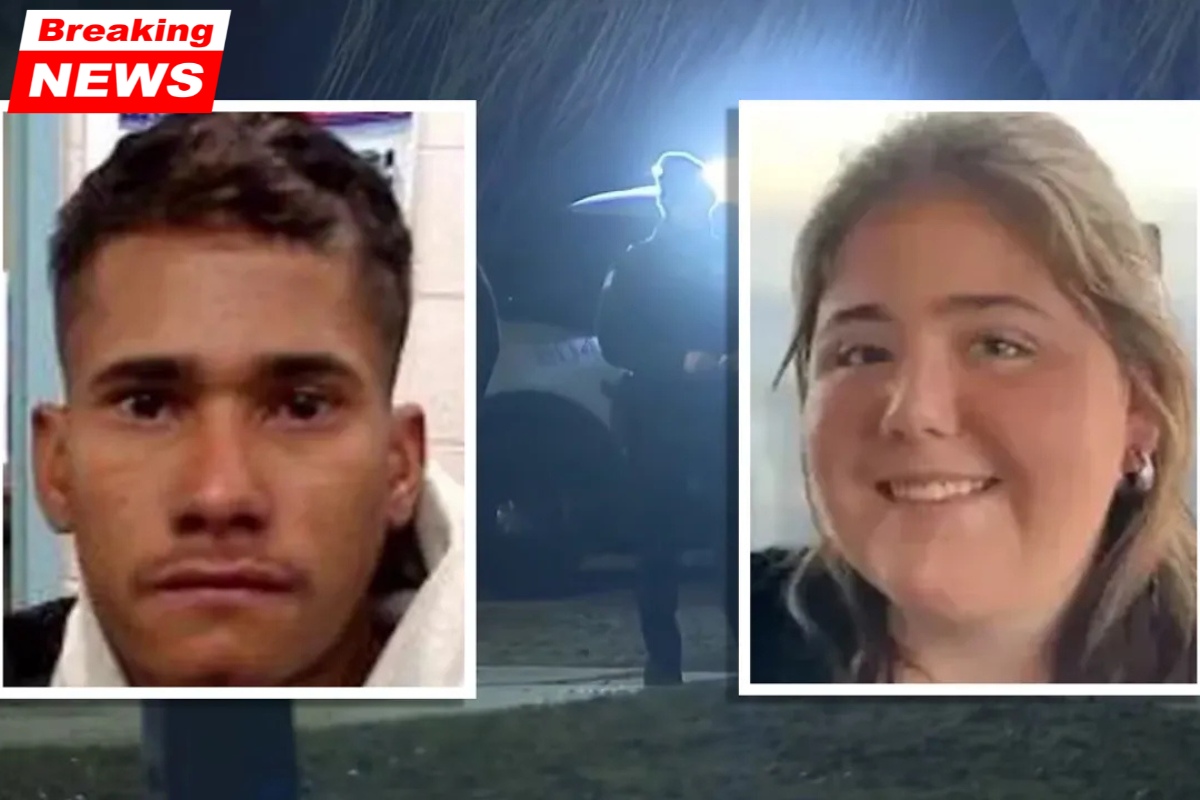
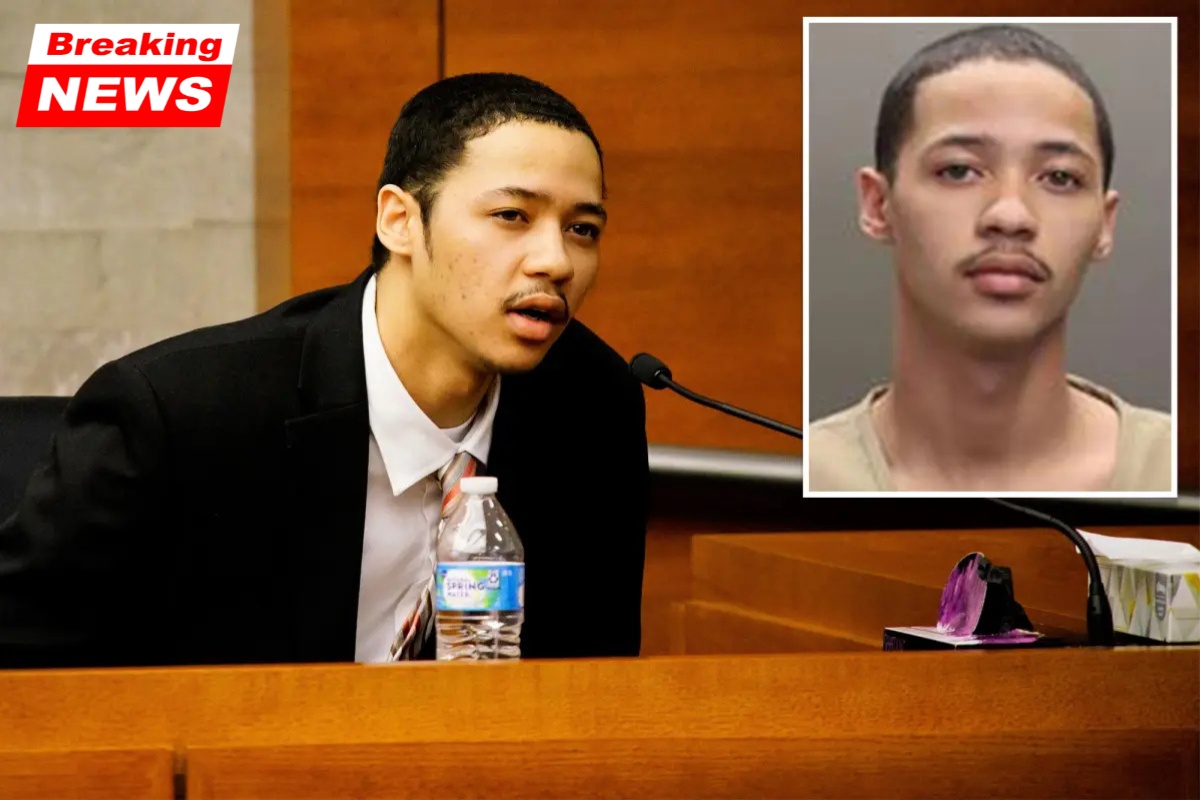
The defendant, Justus Robertson, 22, was previously sentenced to 29 years in prison for a deadly shooting in Columbus.
The victim, Christopher Roberts, 21, was killed in July 2022 during what authorities described as an “ambush” attack at an apartment complex.
Robertson’s accomplice, Xavier Colvin, also faced charges in connection with the fatal shooting.
Summary of Key Facts
| Category | Details |
|---|---|
| Defendant | Justus Robertson (22) |
| Victim | Christopher Roberts (21) |
| Location | Columbus, Ohio |
| Incident Date | July 2022 |
| Original Sentence | 29 years |
| Appeals Outcome | 6 charges overturned |
| Remaining Conviction | Murder |
| Next Step | Retrial on overturned charges |
What Happened in the Original Crime
According to law enforcement, Robertson and Colvin carried out a coordinated ambush on Christopher Roberts.
Investigators reported that the victim was shot multiple times as he attempted to escape. Authorities described the attack as relentless, with gunfire continuing even as Roberts tried to flee.
He was later found critically wounded in a stairwell and died from his injuries.
Appeals Court Decision and Constitutional Violation
The Ohio Tenth District Court of Appeals ruled that Robertson’s constitutional rights were violated during his trial.
Specifically, Robertson was required to wear visible leg shackles in front of the jury without sufficient justification.
The court cited violations of the:
- Fifth Amendment
- Sixth Amendment
- Fourteenth Amendment
These protections generally prohibit the use of visible restraints unless the defendant poses a clear risk of violence or escape.
In this case, the court determined that Robertson did not present such a risk, making the shackling unjustified.
Impact on the Jury and Trial Fairness
The appeals court concluded that the visible shackles may have influenced the jury’s perception of Robertson, potentially biasing them against him.
This undermined his right to a fair trial, leading the court to overturn six of the seven convictions, including:
- Aggravated murder
- Aggravated robbery
- Improper discharge into a habitation
- Three counts of felonious assault
However, the primary conviction for murder remains in place.
What Happens Next
Although several charges were dropped, Robertson will not be released. He remains incarcerated due to the upheld murder conviction.
The court has ordered a retrial on the overturned charges, meaning prosecutors will have another opportunity to pursue those counts without the procedural errors that occurred in the initial trial.
Co-Defendant and Related Sentences
Xavier Colvin pleaded guilty in March 2023 and received a sentence of up to 21.5 years in prison for his role in the crime.
In a related development, Robertson’s mother also faced legal consequences. She pleaded guilty to tampering with evidence and was sentenced to one year of community control.
Key Takeaways
- A murder conviction in Ohio was partially overturned due to a trial rights violation
- Visible shackling of the defendant was deemed unjustified
- Six major charges were overturned, but the murder conviction remains
- A retrial will be conducted on the dismissed charges
- The case highlights the importance of fair trial procedures
The case of Justus Robertson illustrates how critical constitutional protections are within the criminal justice system. While the severity of the crime remains undisputed, the appeals court’s decision emphasizes that legal procedures must be followed to ensure fairness.
Even in serious cases, violations of a defendant’s rights can lead to overturned convictions and retrials. As the case moves forward, the retrial will determine whether the additional charges can be upheld under proper legal conditions.
Ultimately, this case serves as a reminder that justice depends not only on outcomes but also on the integrity of the process used to reach them.