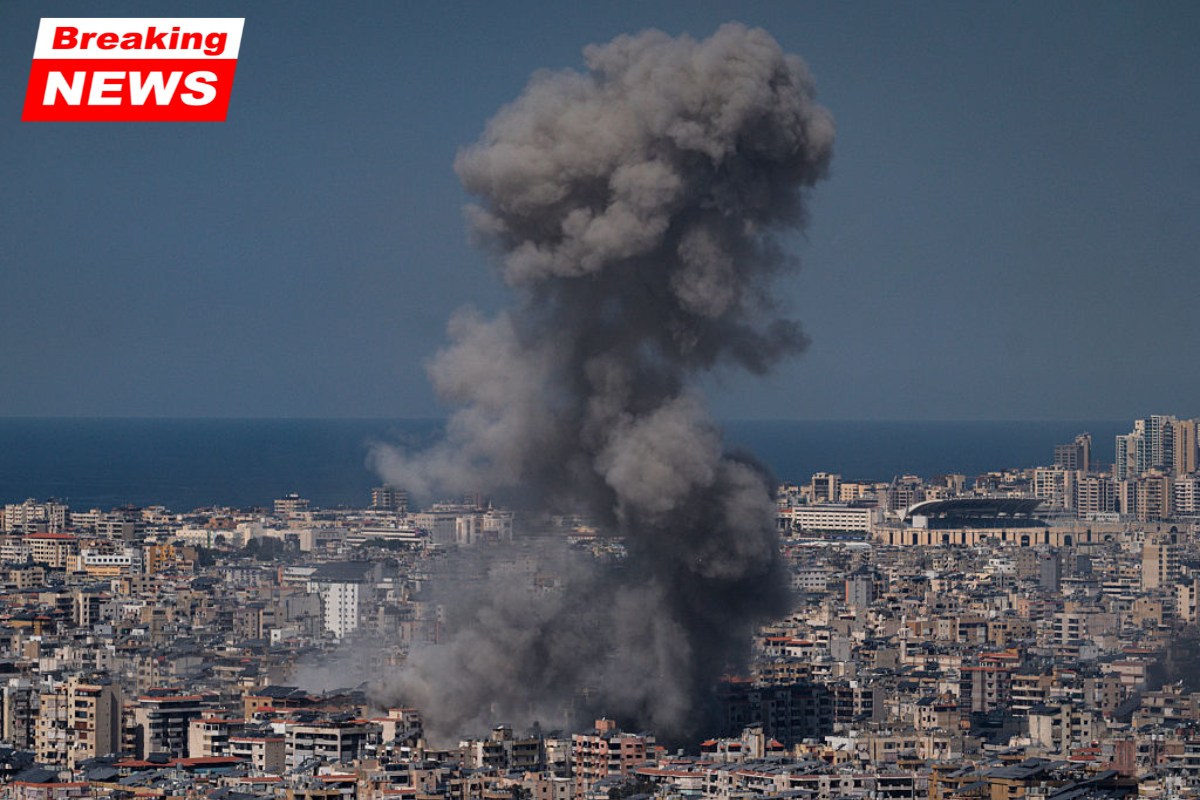
WASHINGTON, March 18 — The ongoing Iran war is becoming a key issue in the Democratic primaries ahead of November’s midterm elections, as progressives are increasingly criticizing moderate rivals for their ties to defense contractors and Israel, as well as their perceived lukewarm opposition to President Donald Trump’s bombing campaign in Iran.
Progressive Criticism of Moderate Democrats
In several Democratic primaries across the country, progressive candidates are challenging their moderate rivals over their financial ties to defense contractors and the American Israel Public Affairs Committee (AIPAC), a powerful pro-Israel lobbying group.
These progressives argue that such connections undermine their opponents’ opposition to the war, which many feel has caused unnecessary chaos in the Middle East and risks further U.S. military involvement.
At least half a dozen progressive candidates have made opposition to the Iran war and AIPAC-backed candidates central to their campaigns. Abdul El-Sayed, a Senate candidate in Michigan, criticized politicians who accept donations from weapons manufacturers and AIPAC, saying, “It’s difficult to trust politicians who take money from weapons manufacturers and AIPAC, all of whom are for this war, and for those politicians to then stand up and say they’re against the war.”
The Broader Party Struggle
These primary contests reflect a broader ideological struggle within the Democratic Party over its future direction. As the party rebuilds after 2024 election losses and begins looking toward 2028 presidential candidates, the tensions have intensified over the best approach to foreign policy and economic reforms.
For progressives, the Iran war is seen as part of a broader fight to end American-led wars and curb the influence of the military-industrial complex while focusing on economic fairness and equal rights at home.
The debate over the Iran conflict comes at a time when the Democratic Party is divided on how to appeal to swing voters versus energizing its core supporters. Progressives are seizing on the war as a litmus test for whether the party will continue its ties to corporate America, particularly the defense industry.
Notable Primary Battles and Candidates
In a Democratic House primary in Illinois, Kat Abughazaleh, a progressive candidate, placed second to Evanston Mayor Daniel Biss by just over three percentage points. Abughazaleh made opposition to the war and AIPAC-backed candidates central to her campaign.
In North Carolina, Nida Allam, a county commissioner, ran ads targeting incumbent Rep. Valerie Foushee, highlighting Foushee’s ties to defense contractors like Lockheed Martin and Northrop Grumman, as well as her previous association with AIPAC.
Allam, who advocates for cutting military spending, argued that Foushee’s campaign donations from these entities are incompatible with a genuine stance against the Iran war.
Foushee narrowly won her primary by just one percentage point, but Allam’s challenge shows how deeply the Iran war is dividing the party in 2024. Allam’s ad stated, “I will never take a dime from defense contractors or the pro-Israel lobby. I have opposed these forever wars my entire career.”
Economic Reform vs. Military Spending
Progressive challengers are also criticizing their opponents for voting to increase the Pentagon’s budget. Julie Gonzales, a state senator in Colorado, is challenging Sen. John Hickenlooper on his vote to increase the defense budget in October 2023. Gonzales argues that Hickenlooper’s anti-war rhetoric doesn’t align with his voting record, claiming, “John Hickenlooper owns this war.”
Hickenlooper has attempted to walk a fine line, supporting measures to curb Trump’s war-making powers while still voting in favor of defense spending. Hickenlooper told Reuters, “I think [Trump] started an illegal war with Iran. Americans don’t want another endless war in the Middle East.”
Meanwhile, Melat Kiros, a progressive House candidate in Colorado, has criticized Rep. Diana DeGette for voting against motions to cut the Pentagon’s budget in previous years. In a video, Kiros called out politicians who accept donations from the military-industrial complex and then claim to oppose military spending.
2028 and the Future of the Democratic Party
The Iran war is likely to continue to be a key issue in the Democratic primaries as the party grapples with its internal divisions. Matt Bennett, co-founder of the centrist Democratic think tank Third Way, expressed concerns that progressive candidates focused on the Iran war could alienate moderate voters, who are key to winning the 2024 midterms and regaining the White House. He argued that these candidates may lack the broad appeal necessary to defeat Republicans.
However, progressive groups argue that voters are frustrated with corporate influence in politics and want leaders who will take bold action against the military-industrial complex. Usamah Andrabi, spokesperson for Justice Democrats, a group backing progressive candidates like Allam and Kiros, said, “The war with Iran is a great testing ground for that sort of future of the Democratic Party.”
The Iran war has become a flashpoint in the Democratic primaries, reflecting deeper ideological divides within the party over foreign policy, military spending, and the influence of corporate donors. As the party faces critical elections in 2024 and looks toward 2028, how it responds to these internal conflicts could have lasting implications for its future direction.