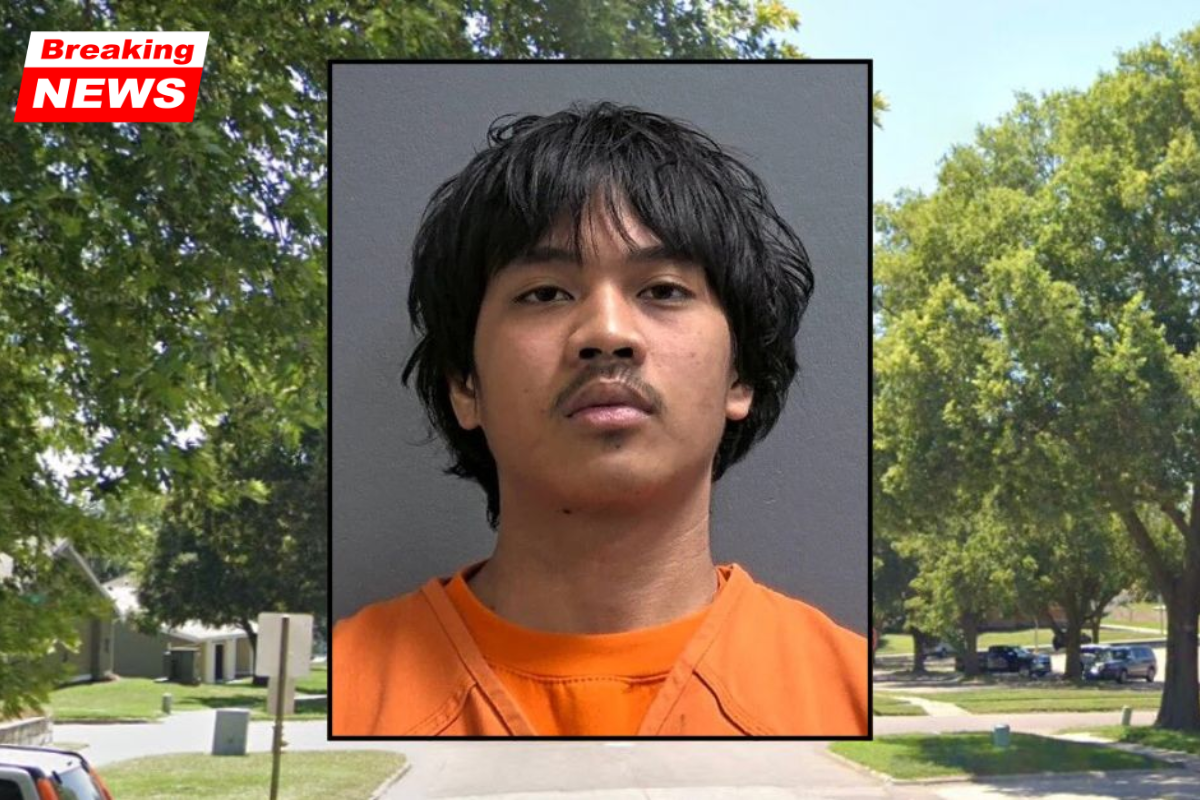
A disturbing murder case from Iowa has drawn attention after prosecutors accused a teenager of stabbing a man to death and then sitting in a car listening to music beside the victim’s body for more than an hour. Authorities say the suspect later became angry when family members contacted emergency services instead of helping him hide the crime.
The case involves serious allegations, legal questions around confessions, and debate over whether the teenager should be tried as an adult or juvenile.
Overview of the Case
| Detail | Information |
|---|---|
| Accused | JK Athree |
| Age at Incident | 17 |
| Victim | Jermel Ellington |
| Victim’s Age | 43 |
| Location | Sioux City, Iowa |
| Charge | First-degree murder |
| Incident Date | New Year’s Day 2026 |
| Bond Amount | $500,000 |
| Trial Schedule | November 2026 |
Long-Running Feud Led to Deadly Encounter
According to court records and local reports, the conflict between JK Athree and Jermel Ellington had reportedly started months before the fatal stabbing.
Authorities said Ellington previously caught Athree attempting to break into vehicles while intoxicated. During that earlier confrontation, Ellington allegedly stabbed Athree with a screwdriver.
Their paths crossed again on New Year’s Day 2026. Police said Ellington joined Athree and several others who were sitting inside a parked vehicle drinking alcohol in Sioux City.
Investigators believe a short verbal argument quickly turned violent.
Victim Was Stabbed Multiple Times
Police allege Athree attacked Ellington with a knife, stabbing him several times in different parts of the body, including:
- Thigh
- Back
- Neck
- Chest
Authorities believe the injuries were fatal.
One of the most shocking details in the case is the claim that Athree remained inside the car with the victim’s body for over an hour after the stabbing while listening to music.
Investigators said the teenager knew Ellington had died during that time.
Family Reportedly Refused to Help Hide the Body
According to local reports, Athree later walked into his family’s home and informed relatives there was a dead body outside.
Authorities claim he asked family members to help him “hide things” connected to the killing. However, relatives reportedly refused and instead contacted 911 for emergency assistance.
Police said Athree became aggressive after learning his family had called authorities. He allegedly attempted to flee before officers arrived and detained him.
Judge Refused Request for Juvenile Court
The case recently gained more attention after a judge rejected efforts to move it from district court to juvenile court.
District 3 Judge Robert D. Tiefenthaler ruled that the juvenile system would not have enough time or authority to properly supervise and rehabilitate Athree due to his age.
According to the ruling, the judge believed handling the case in district court offered the best chance for:
- Long-term rehabilitation
- Public safety
- Mental health treatment
- Proper supervision
The judge also stated the decision was in the best interest of both the defendant and the wider community.
Defense Wants Confession Suppressed
A major legal battle is now developing over Athree’s alleged confessions to police.
Court filings from May 2026 show the defense team is asking the court to block statements made during police questioning.
According to defense attorney Brendan Kelly, Athree’s mother — whose first language is not English — did not receive an interpreter before helping waive her son’s legal rights.
The defense argues this prevented her from fully understanding:
- Athree’s rights
- Her own legal rights
- The consequences of waiving legal counsel
Lawyers also claim the teenager was intoxicated during questioning and therefore could not knowingly or voluntarily provide a proper confession.
If the court agrees, prosecutors could lose an important part of their evidence before trial.
Defense Preparing Multiple Legal Arguments
If the confession remains allowed in court, the defense reportedly plans to argue several legal points during the trial, including:
- Self-defense
- Insanity
- Intoxication
- Diminished responsibility
These arguments could play a major role in determining whether Athree is convicted and what punishment he may face.
The trial is currently scheduled for November 2026.
Teen Violence Cases Continue to Raise Concerns
Crimes involving teenagers accused of serious violence often create difficult legal and social debates. Courts must balance punishment, rehabilitation, public safety, and mental health concerns while considering the young age of defendants.
This Iowa case also highlights legal questions around juvenile rights, police interrogations, language barriers, and intoxication during questioning. Such issues can become extremely important during criminal trials because they affect whether evidence and confessions can legally be used in court.
For now, Athree remains in the Woodbury County Jail on a $500,000 bond while the case moves toward trial. Meanwhile, the victim’s family continues dealing with the loss of Jermel Ellington under tragic circumstances.