
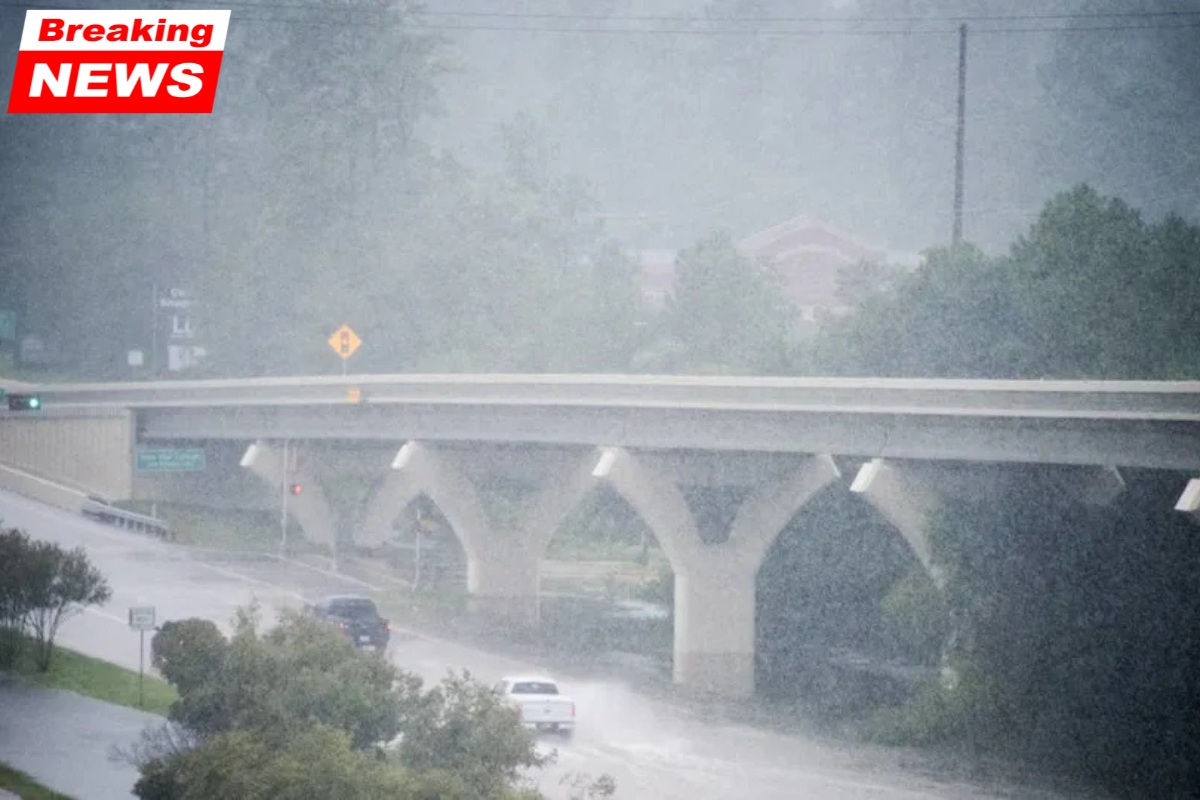
If you’re planning to drive between Dallas and Wichita this weekend or early next week, you need to rethink your timing.
Forecasters warn that a multi-day severe weather event will impact the Southern Plains from April 11 through April 14, with repeated rounds of thunderstorms, including risks for tornadoes, large hail, and damaging winds.
Why This Weather Pattern Is So Dangerous
The setup is classic for spring storms, but stronger and longer-lasting than usual.
A powerful upper-level system is pulling moisture from the Gulf into Texas and Oklahoma, creating unstable conditions. At the same time, strong winds higher in the atmosphere are adding the energy needed for severe storms.
The result is a four-day stretch where conditions rebuild daily, making each round potentially stronger than the last.
Day-by-Day Breakdown
Saturday (April 11)
Storms begin in west Texas and eastern New Mexico during the late afternoon. Expect scattered severe storms with large hail and strong winds, mainly west of the main travel corridor.
Sunday (April 12)
The threat expands into central and north Texas and Oklahoma. Storms may become more organized, with the potential for supercells capable of producing tornadoes.
Travel becomes risky by mid-afternoon, especially along I-35.
Monday (April 13) – Peak Risk
This is the most dangerous day.
Cities including Oklahoma City, Tulsa, Kansas City, and Wichita could all face severe storms at the same time.
Expect widespread storms with all hazards: tornadoes, destructive winds, and very large hail.
Tuesday (April 14)
The system shifts slightly east and south, continuing the threat across Oklahoma, Arkansas, and Missouri. Storms remain dangerous, especially in the afternoon and evening.
Highways Most at Risk
Travel corridors across the region will be directly impacted:
- I-35 (Dallas → Oklahoma City → Wichita): Highest risk corridor, especially Sunday through Monday
- I-44 (Oklahoma City → Tulsa → Joplin): Repeated storm crossings likely
- I-40 (West Texas → Oklahoma City): Early storm development zone
- I-20 (West Texas): Saturday hail threat
- I-70 (Kansas): Monday evening storm activity
These routes sit directly in the path of developing storms, meaning drivers could encounter rapidly changing conditions with little warning.
Best and Worst Times to Travel
| Day | Travel Advice |
|---|---|
| Saturday | Safe in the morning, avoid late afternoon in west Texas |
| Sunday | Drive early, avoid afternoon and evening |
| Monday | Avoid travel entirely if possible |
| Tuesday | Morning better, afternoon storms return |
If your trip is flexible, the safest option is to wait until midweek.
Why This Event Stands Out
Severe weather in April isn’t unusual for this region. What makes this event different is the duration.
Four consecutive days of storms over the same areas create compounded risks:
- Damaged roads and debris from earlier storms
- Power outages affecting traffic signals and fuel stops
- Repeated exposure for major cities
This increases the chance of disruptions beyond a single storm day.
What Drivers Should Do
If you must be on the road:
- Avoid driving into dark, rotating storm clouds
- Exit highways early if conditions worsen
- Never take shelter under overpasses
- Use sturdy buildings or covered areas when possible
- Keep an emergency kit (water, charger, flashlight, first aid)
- Monitor weather alerts continuously
Storms can develop quickly, and conditions can change within minutes.
Summary Table
| Factor | Details |
|---|---|
| Dates | April 11–14 |
| Region | Southern Plains |
| Main Risk | Tornadoes, hail, damaging winds |
| Peak Day | Monday |
| Key Cities | Dallas, Oklahoma City, Tulsa, Wichita |
| Travel Risk | High, especially afternoons and evenings |
| Best Option | Delay travel if possible |
This is not a typical spring weather stretch. The combination of strength, duration, and geographic coverage makes this one of the more serious severe weather setups of the season.
If you’re traveling across the Southern Plains, planning ahead isn’t optional. It’s necessary.
The safest move for most drivers is simple: if it can wait, let it wait.






