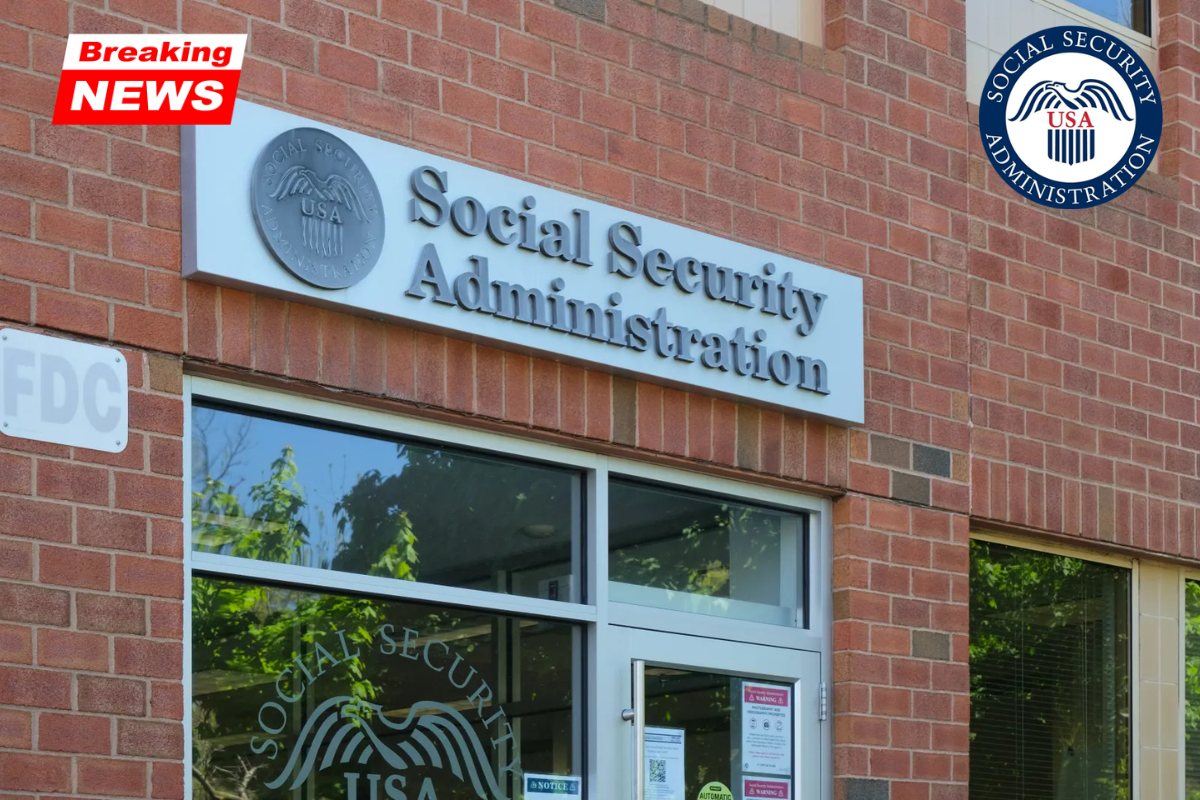
The Social Security Administration has announced a major change in how disability benefit reviews will be handled across the United States. This new move is expected to improve accountability, reduce payment errors, and speed up decisions for millions of Americans. However, some experts believe the transition period could create confusion and temporary delays.
For people who receive Social Security disability benefits or are waiting for approval, this update is important. Understanding what is changing can help beneficiaries stay prepared and avoid unnecessary stress.
SSA Centralises Medical Disability Reviews
Social Security Administration has confirmed that medical Continuing Disability Reviews (CDRs) will now be handled directly by the agency at the federal level.
Earlier, these medical reviews were processed by state-level offices known as Disability Determination Services (DDS). Now, the responsibility will move fully to SSA’s federal unit called Disability Case Review (DCR).
Medical CDRs are required by law. They are regular reviews to check whether a person receiving disability benefits is still medically eligible to continue receiving payments.
Non-medical reviews were already handled by SSA. With this change, all types of CDRs will now come under direct federal control.
Why This Change Matters
This shift affects millions of Americans who:
- Currently receive Social Security disability benefits
- Have applied for disability benefits
- Are waiting for reconsideration decisions
According to SSA Commissioner Frank J. Bisignano, centralising medical CDRs will bring “complete ownership and accountability” to the agency. The idea is simple — when one federal body handles all reviews, decisions may become more consistent and organised.
For beneficiaries, this could mean:
- Clearer communication
- More uniform decision-making
- Better monitoring of review processes
However, the agency has clarified that eligibility reviews will not stop. People receiving disability benefits must still respond to SSA notices and keep their medical records and contact details updated.
Impact on Disability Claims Backlog
One of the main reasons for this shift is to reduce pressure on state DDS offices. Now that they will no longer handle medical CDRs, they can focus more on:
- Initial disability claims
- Reconsideration cases
Back in June 2024, the backlog of initial disability claims reached over 1.26 million pending cases — the highest ever recorded.
As of February this year, that number has reduced significantly.
| Period | Pending Initial Disability Claims |
|---|---|
| June 2024 | 1.26 million+ |
| February (Latest Data) | 831,000 |
This is a reduction of more than 33%. SSA hopes this new system will help reduce wait times even further.
Experts Share Mixed Opinions
While SSA says the move will improve efficiency, experts have different views.
Finance expert Michael Ryan explained that SSA is moving toward a centralised national workload model. Instead of local offices handling most cases, work may now be routed across the country. In theory, this could balance workloads and reduce bottlenecks.
However, Kevin Thompson, CEO of 9i Capital Group, pointed out that staff shortages remain a serious concern. He warned that beneficiaries might still face:
- More initial denials
- Longer appeals processes
- Delays during the transition period
Similarly, financial literacy instructor Alex Beene said that most changes will happen “behind the scenes.” Payments themselves will not change, but the way people interact with SSA might.
What Will Change for Beneficiaries?
According to experts, your benefit amount will not change. But the way services are delivered may feel different.
Possible changes include:
- More scheduled appointments instead of walk-ins
- Cases handled by staff outside your local office
- Temporary longer wait times during the transition
When large government agencies shift systems, short-term confusion is common. Even if the long-term goal is efficiency, the adjustment period can feel challenging.
What Happens Next
SSA’s Disability Case Review unit will now handle all medical CDRs nationwide. State DDS offices will continue working closely with SSA but will focus mainly on new claims and reconsideration cases.
The goal is clear: faster claim processing, fewer backlogs, and better oversight. However, experts warn that beneficiaries may experience some friction during the transition.
For now, the most important advice for disability beneficiaries is:
- Respond quickly to SSA letters
- Keep medical documents updated
- Ensure contact details are correct
This operational shift marks a major change in how disability reviews are managed in the United States. While SSA promises improved efficiency and accountability, the real impact will depend on how smoothly the transition happens.
For millions of Americans who depend on disability benefits, timely communication and careful record-keeping will be key. If the system works as planned, it could reduce delays and bring more consistency. But during the adjustment period, patience and awareness will be essential to avoid unnecessary complications.