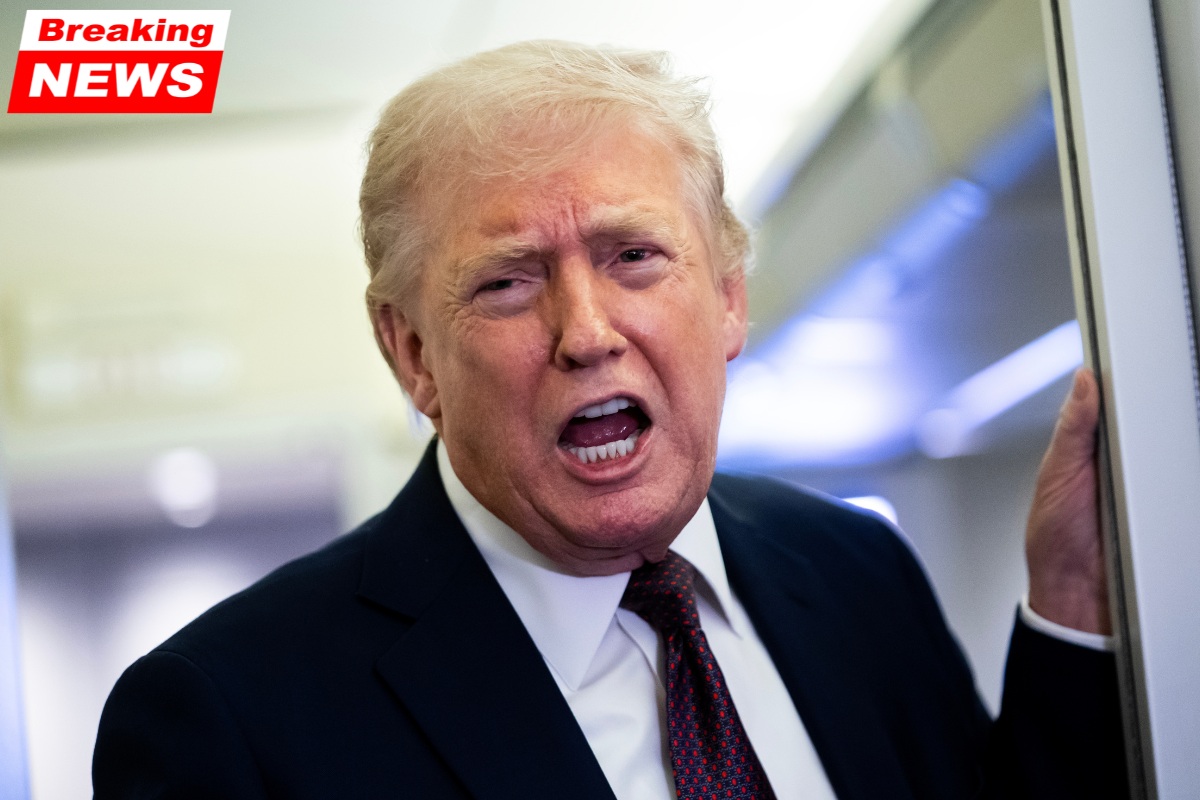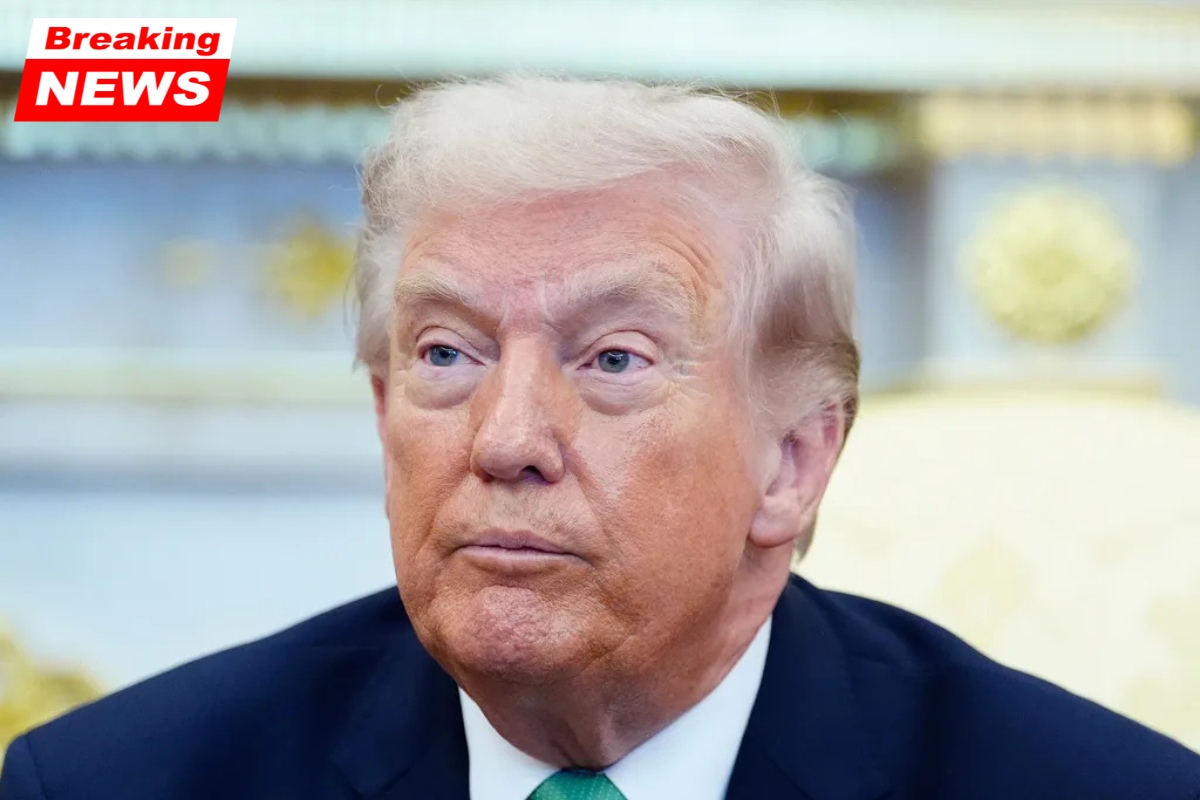
Scott McConnell — a founder of the conservative magazine The American Conservative — said on Monday that he is “ashamed and embarrassed” to have voted for Donald Trump three times, and urged Vice President J.D. Vance to invoke the 25th Amendment in response to what McConnell called “Trump’s war against Iran.”
What McConnell said and why it matters
McConnell’s public repudiation landed as Palm Beach International Airport moved forward with plans to be renamed the President Donald J. Trump International Airport, a development that appears to have crystallized his disaffection.
“So so ashamed and embarrassed to have voted three times for this person,” McConnell wrote, reacting to the airport-renaming news. When asked what finally pushed him to break publicly with the president, he pointed to the Iran war.
In a follow-up thread, McConnell urged Vice President J.D. Vance to mount a 25th Amendment transition rather than resign, laying out a tactical playbook: publicly announce support for a 25th Amendment transfer of power, name a replacement vice president (McConnell suggested Sen. Chris Murphy as an example), and use the vice presidency’s access and media platform to explain why the move is necessary — while pledging not to run for president in 2028.
The 25th Amendment provides the constitutional procedure for the vice president and a majority of the Cabinet or another body designated by Congress to declare the president unable to discharge the duties of the office, at which point the vice president becomes Acting President. The full text of the amendment is available through the National Archives and the Constitution’s official site.
Timeline and key elements
| Moment | Detail |
|---|---|
| Airport rename announced | Palm Beach International Airport to be renamed President Donald J. Trump International Airport (reported) |
| McConnell’s comment | “So so ashamed and embarrassed to have voted three times for this person.” |
| Tipping point named | McConnell cited “Iran war” as the reason for withdrawing support |
| Tactical advice to VP | Publicly back a 25th Amendment transfer, name a replacement veep, don’t resign, use office to explain the move |
A rare public break from a conservative elder
McConnell is not a casual commentator; as a co-founder of The American Conservative, his views carry weight among some traditional conservative circles. Public renunciations by prominent conservative intellectuals are relatively uncommon and can signal fissures within the right that matter both politically and culturally.
His explicit call for the vice president to use the 25th Amendment is unusually blunt. Historically, invoking the 25th Amendment has been an extraordinary step reserved for clear incapacity or an imminent threat to governance; McConnell’s public advocacy for it on political grounds underscores the depth of his alarm.
The 25th Amendment — legal mechanics in brief
The 25th Amendment to the U.S. Constitution lays out two paths for transferring power. The one McConnell referenced allows the vice president, together with a majority of the Cabinet or another body Congress may designate, to transmit a written declaration to the leaders of Congress that the president is unable to discharge the powers and duties of the office; the vice president then becomes Acting President.
The amendment also provides a procedure for the president to contest such a declaration, at which point Congress must resolve the dispute. The amendment’s text and historical usage can be reviewed on official sites such as the National Archives and the Constitution project pages.
Political and practical hurdles
Invoking the 25th Amendment is politically fraught and practically complicated. It requires either the vice president and a majority of principal officers of executive departments to be willing to sign such a declaration — an act that would instantly thrust them into a constitutional and political crisis — or Congress to have legislated an alternate body (which has not been deployed as a routine mechanism).
Vice President Vance’s willingness to pursue that route is crucial and, based on public behavior and statements, not a given. Even if Vance were privately persuaded, the move would trigger immediate legal, legislative and public battles, and could split Republicans at a moment when the party is focused on defending congressional majorities.
What this signals about intra-conservative tensions
McConnell’s comments highlight the strain between national-security hawks, traditional conservatives, and a GOP coalition that has often fused loyalty to Donald Trump with partisan priorities.
Criticism from a figure who helped found a long-standing conservative outlet suggests that opposition to the president’s Iran policy — and perhaps other conduct viewed as destabilizing — may be producing not only policy disagreements but moral and existential choices for some conservative intellectuals and activists.
Reactions to watch
- Vice Presidential response: Whether Vance addresses McConnell’s public plea will be widely scrutinized.
- Republican elite voices: Other conservative intellectuals and elected officials may follow McConnell’s lead or push back to defend party unity.
- Media and public debate: Calls to use the 25th Amendment will renew debates about constitutional remedies for presidential misconduct or incapacity, with legal scholars weighing in on both feasibility and precedent.
I wrote this account from the facts you provided. I don’t have live web access in this session to independently verify the airport-renaming announcement or pull McConnell’s original posts; for the constitutional text and historical context, see the National Archives and the official Constitution pages at archives.gov and constitution.congress.gov.
If you’d like, I can summarize primary-source posts or compile a timeline drawing from public tweets, statements, and local filings — I’d need direct links or permission to fetch those records.
Scott McConnell’s public renunciation of Donald Trump and his call for the vice president to invoke the 25th Amendment mark a striking moment of intra-conservative dissent. Whether his comments ripple into broader political action — or remain a symbolic condemnation — will depend on how Republican leaders, legal authorities, and the vice president himself respond in the days ahead.