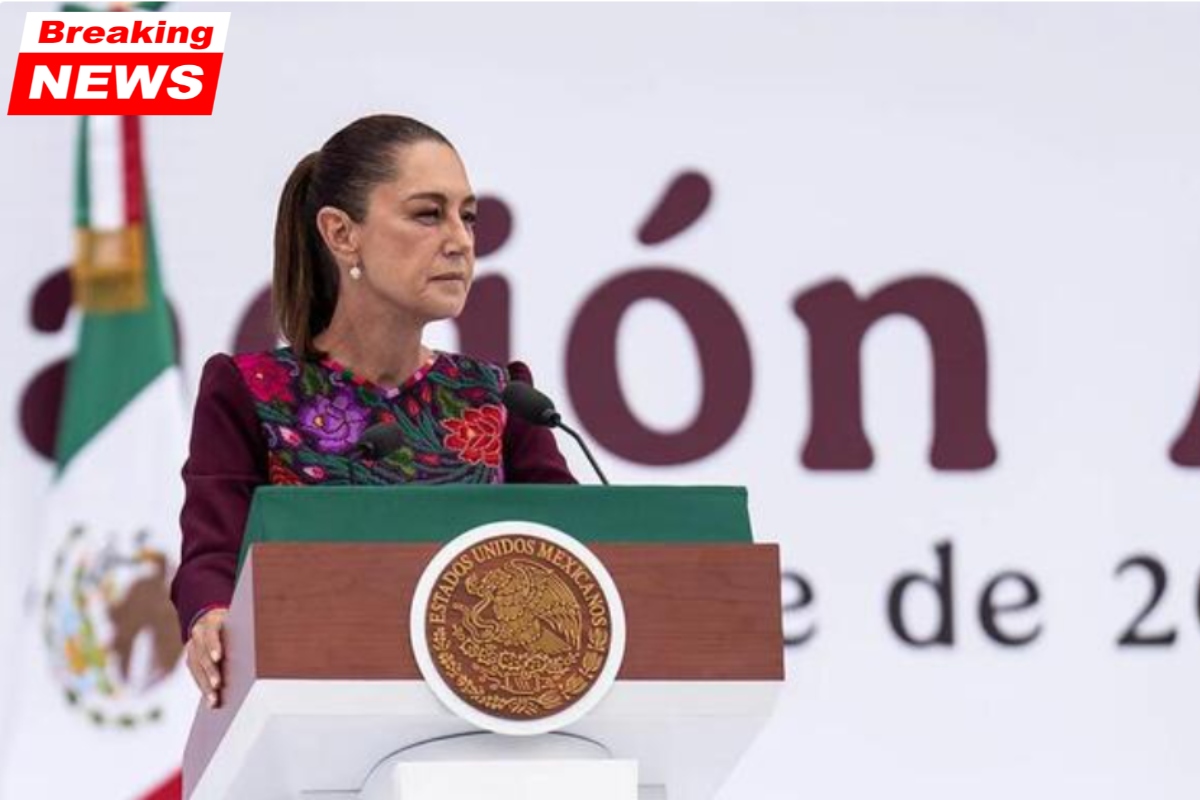
The deaths of two U.S. officials in northern Mexico have triggered a political and diplomatic response that goes beyond the accident itself. President Claudia Sheinbaum publicly acknowledged a deeper issue: the possibility that local Mexican authorities coordinated directly with U.S. personnel without federal approval.
“We did not have knowledge,” Sheinbaum said during a press conference, referring to U.S. involvement in the operation that ended in a fatal crash.
Her remarks signal growing concern within the federal government about control over international security cooperation.
Fatal Operation in Chihuahua
The incident occurred in Chihuahua, specifically in the municipality of Morelos, during an anti-cartel operation targeting illegal drug laboratories.
The crash killed:
- Two U.S. officials linked to the U.S. Embassy
- Two Mexican state officials, including senior investigative personnel
What initially appeared to be a tragic accident quickly evolved into a broader political issue once the level of U.S. participation became clear.
The U.S. Embassy in Mexico confirmed the deaths of its personnel but has not provided full details about their role in the operation.
Sheinbaum Draws a Clear Line on Sovereignty
President Sheinbaum responded firmly, emphasizing that foreign agents are not permitted to take part in operations inside Mexico without proper authorization.
“There is no permission for foreign agents to participate in operations in our country,” she stated.
Mexico maintains intelligence-sharing agreements with the United States, but Sheinbaum stressed that operational involvement must be approved at the federal level. She also confirmed that her administration has launched a formal investigation into whether national sovereignty was violated.
Possible Unauthorized Coordination Raises Questions
This case has raised the possibility that local authorities in Chihuahua may have coordinated directly with U.S. agencies without informing the federal government.
If confirmed, this would suggest:
- A breakdown in established protocols
- The existence of parallel security channels
- Reduced federal oversight in high-risk regions
Such a scenario is particularly concerning in areas heavily affected by cartel activity, where local governments may face pressure to act quickly.
Diplomatic Implications and Ongoing Investigation
Sheinbaum has requested clarification from both state authorities and U.S. officials. A meeting is expected between Ronald Johnson and Mexican officials to determine the exact framework under which the operation occurred.
“We need to know under what framework this participation occurred,” she said.
The investigation will focus not only on the crash itself but also on who authorized the involvement of U.S. personnel.
Broader Context: U.S.-Mexico Security Relations
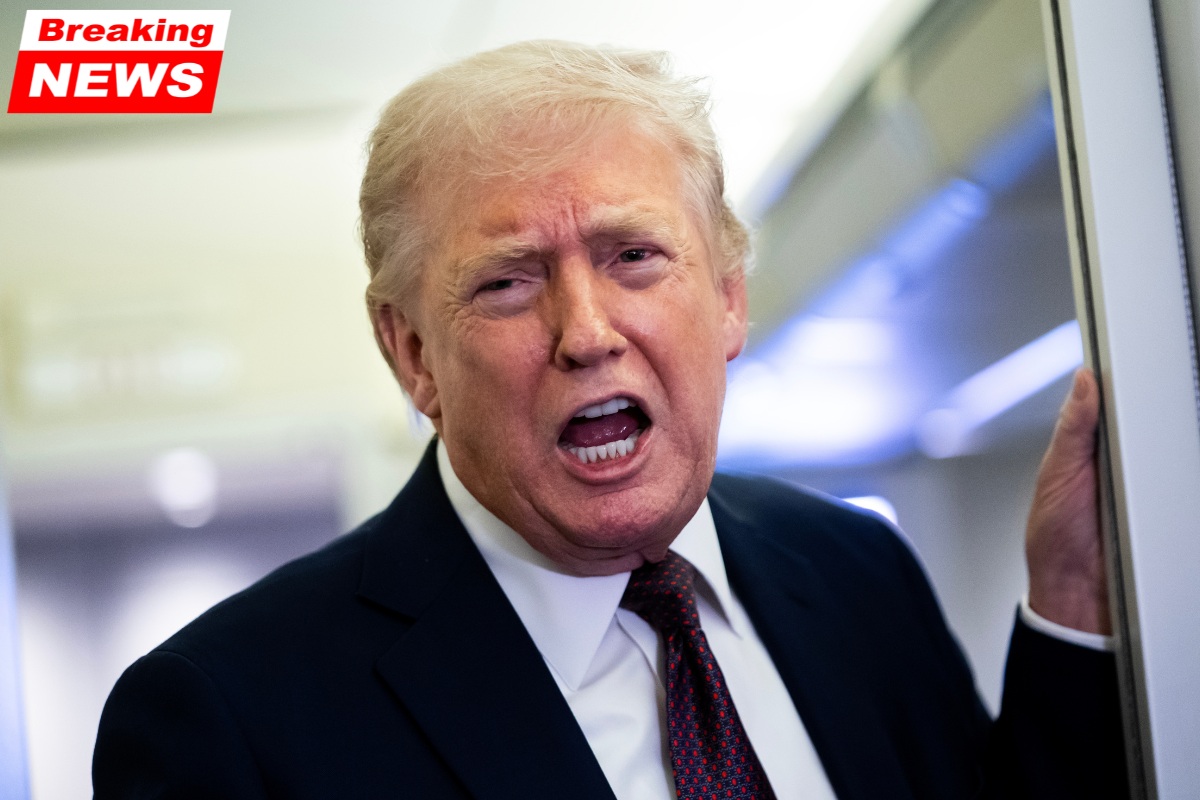
The incident comes at a sensitive time in relations between Mexico and the United States. Donald Trump has taken a more aggressive stance on cartel activity, including proposals that could expand U.S. involvement in regional security.
Sheinbaum, on the other hand, has maintained a careful balance:
- Supporting intelligence cooperation
- Rejecting direct foreign intervention
- Emphasizing national sovereignty
This घटना complicates that position by raising questions about whether all levels of government are aligned.
Key Details Summary
| Topic | Details |
|---|---|
| Location | Morelos, Chihuahua, Mexico |
| Incident | Fatal crash during anti-cartel operation |
| Fatalities | 2 U.S. officials, 2 Mexican officials |
| Core Issue | Possible unauthorized U.S. involvement |
| Government Response | Federal investigation launched |
| Diplomatic Action | Meeting requested with U.S. ambassador |
| Larger Concern | Sovereignty and control over security operations |
What began as a tragic accident in Chihuahua has quickly become a test of authority and coordination within Mexico’s security system. President Claudia Sheinbaum’s response makes clear that the central issue is not only the loss of life, but also who authorized the operation.
If local authorities acted independently, it could expose gaps in oversight and raise serious questions about how cross-border cooperation is managed. As the investigation continues, the focus will remain on accountability, protocol, and the balance between cooperation and sovereignty.