The U.S. Senate unanimously voted on Wednesday to advance a resolution that would suspend senators’ pay during future government shutdowns, a move supporters say could create stronger incentives for lawmakers to avoid funding standoffs that disrupt federal operations.
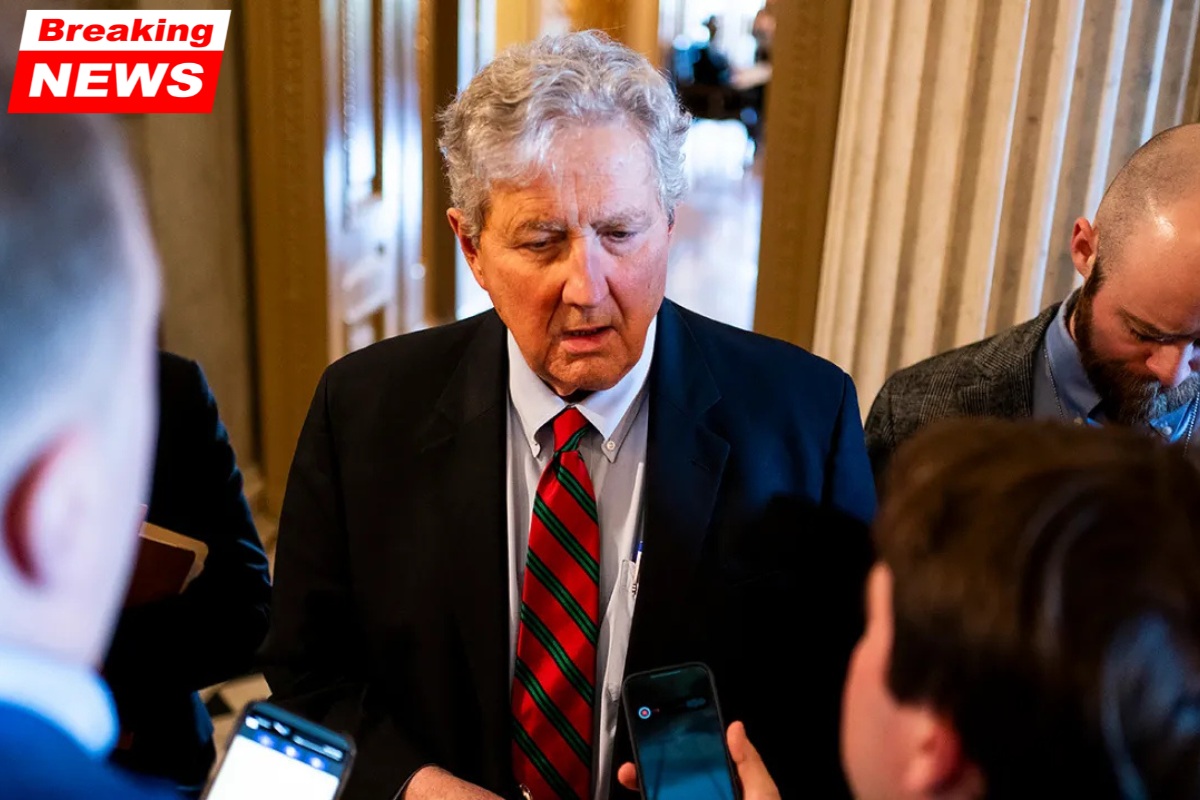
The proposal, sponsored by John Kennedy, passed an important procedural vote by a 99-0 margin, signaling overwhelming bipartisan support in the Senate.
If ultimately approved, the measure would temporarily withhold senators’ salaries whenever Congress fails to fund the federal government before a shutdown deadline. However, the withheld pay would not be permanently lost. Instead, lawmakers’ salaries would be placed into an escrow account and released once the shutdown ends.
The resolution only applies to members of the Senate and does not require approval from the House of Representatives or a signature from President Donald Trump.
Overview of the Senate Resolution
| Key Detail | Information |
|---|---|
| Resolution Sponsor | Sen. John Kennedy |
| Senate Vote | 99-0 |
| Purpose | Suspend senators’ pay during shutdowns |
| Applies To | U.S. Senate only |
| House Approval Needed? | No |
| Presidential Signature Needed? | No |
| Effective Date | After the next midterm election |
| Salary Status | Held in escrow during shutdown |
What the Resolution Would Do
Under the proposed resolution, senators would stop receiving paychecks during any federal government shutdown caused by Congress failing to pass funding legislation on time.
The salaries would not be canceled permanently. Instead, the money would be placed into escrow accounts and returned to lawmakers after government funding is restored.
Supporters argue the policy would create direct financial consequences for senators involved in prolonged budget disputes.
Sen. Kennedy said repeated government shutdowns have damaged public trust and disrupted critical federal services. He argued lawmakers should personally feel the effects of political deadlock instead of continuing to receive regular salaries while government workers face furloughs and delayed services.
“We ought to hide our heads in a bag. It’s got to stop,” Kennedy said during remarks on the Senate floor.
Why the Resolution Cannot Take Effect Immediately
Although Kennedy expressed concern about another possible government shutdown later this year, the resolution cannot legally take effect until after the next election cycle.
That delay is tied to the 27th Amendment to the United States Constitution, which prohibits laws that increase or decrease congressional compensation from taking effect until after the next House election.
As a result, the proposal would only become active after the midterm elections and would not apply to any shutdown that might occur before then.
Kennedy acknowledged this constitutional limitation but said he remains worried about another funding standoff ahead of the elections.
Recent Government Shutdowns Increased Pressure for Reform
The Senate’s vote comes after two major government shutdowns that intensified frustration among lawmakers and the public.
In late 2025, the federal government experienced a record 43-day shutdown tied to disagreements over enhanced health insurance premium subsidies.
More recently, the Department of Homeland Security faced a 76-day shutdown after Democrats refused to approve funding for Immigration and Customs Enforcement and Border Patrol without broader policy reforms following a controversial fatal shooting incident involving federal agents in Minneapolis.
Those shutdowns disrupted federal operations, delayed government services, and increased political tensions in Washington.
Many lawmakers now appear eager to demonstrate that Congress is taking steps to discourage future shutdowns.
Bipartisan Support Signals Likely Passage
The unanimous 99-0 procedural vote strongly suggests the measure will pass the Senate with little resistance.
Even Senate Democratic Leader Chuck Schumer publicly indicated support for the proposal before the vote.
Schumer’s backing highlighted the broad bipartisan frustration with recurring government funding crises.
While Democrats and Republicans continue to clash over budget priorities and federal spending, lawmakers from both parties appear to agree that shutdowns should not become a routine negotiating tactic.
Because the resolution only affects Senate procedures and compensation, it does not require approval from the House or the White House.
Why Government Shutdowns Matter
Government shutdowns occur when Congress fails to pass spending bills or temporary funding measures before federal funding expires.
During shutdowns:
- Many federal employees are furloughed
- Government agencies reduce operations
- Public services may be delayed
- National parks and federal offices can close
- Economic uncertainty often increases
Although essential services such as military operations and emergency response continue, prolonged shutdowns can create significant financial and political consequences.
Critics of shutdown politics argue that lawmakers often avoid the personal financial consequences faced by ordinary federal workers during these disputes.
The proposed Senate resolution attempts to address that criticism directly.
Political Tensions Ahead of the Midterm Elections
Kennedy warned that political tensions surrounding the upcoming midterm elections could increase the risk of another government shutdown.
Republicans reportedly believe a funding battle this fall remains possible because of deep hostility between President Trump and Senate Democrats.
Kennedy accused Democrats of potentially using a shutdown to create political chaos before voters head to the polls, though Democrats have blamed Republicans for previous funding standoffs as well.
The issue reflects broader divisions in Washington over immigration policy, federal spending, health care funding, and executive authority.
Even with bipartisan support for the pay suspension resolution, disagreements over major budget issues remain unresolved.
Could the Resolution Change Congressional Behavior?
Supporters of the proposal believe suspending senators’ pay could pressure lawmakers to negotiate more seriously during budget disputes.
The argument is simple: if senators personally experience financial inconvenience during shutdowns, they may have greater motivation to reach funding agreements quickly.
However, some political analysts question whether temporarily delayed salaries would significantly influence congressional behavior, particularly for wealthier lawmakers.
Others note that the measure only applies to senators, not members of the House of Representatives, which also plays a major role in federal funding negotiations.
Still, the unanimous vote suggests lawmakers recognize growing public frustration over repeated government shutdowns and want to show accountability.