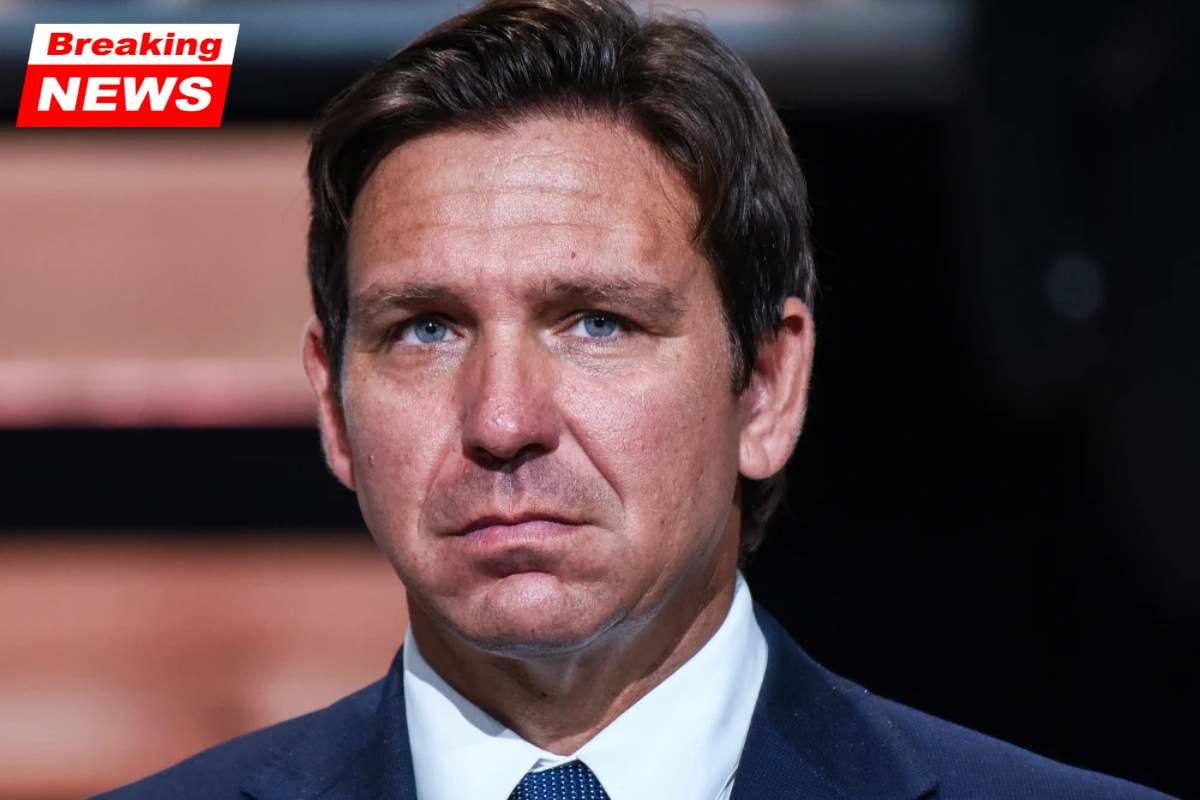
TAMPA, Fla. — Florida Governor Ron DeSantis signed a controversial law on Monday that grants him and other state leaders the authority to designate groups as either domestic or foreign terrorist organizations. Under this law, university students who support these groups could face expulsion.
Key Provisions of the New Law
The law empowers top officials in Florida, particularly the Florida Department of Law Enforcement, to officially label groups as terrorist organizations. This designation requires approval from the governor and three other members of the state’s Cabinet: the state attorney general, the chief financial officer, and the agriculture commissioner, all of whom are elected separately.
Once a group is labeled a terrorist organization, it faces several consequences:
- The group can be dissolved.
- The group would be barred from receiving state funding through schools or state agencies.
- State universities are required to report the status of expelled students who were attending on visas to U.S. Immigration and Customs Enforcement (ICE).
DeSantis’ Justification for the Law
At a news conference in Tampa, Governor DeSantis framed the law as an important step to protect the people of Florida and state resources:
“So this will help the state of Florida protect you. It’ll help us protect your tax dollars,” DeSantis said. “It’ll help us protect things that should not be happening in the United States of America, but certainly shouldn’t be happening in the free state of Florida.”
Past Designations by DeSantis
This law builds on DeSantis’ past actions, including his December designation of the Council on American-Islamic Relations (CAIR) and the Muslim Brotherhood as foreign terrorist organizations. This executive order, however, was temporarily blocked by a federal judge last month, and it remains under legal scrutiny.
Criticism from Free Speech Advocates
The law has faced backlash from groups concerned about its potential impact on free speech and academic freedom. PEN America, a well-known free speech advocacy organization, expressed concerns about the vagueness of the law’s language.
William Johnson, the Florida director of PEN America, warned that the law could have a chilling effect on education:
“The implications are fraught,” Johnson said. “The new law has vague language that could restrict education programs deemed to be ‘promoting’ terrorism, and it could target student protesters who criticize Florida officials.”
Johnson and other critics worry that the law could disproportionately affect student protesters, academics, and educational institutions, potentially leading to censorship and limiting free expression.
A Polarizing Issue
The law’s passage highlights the ongoing debate over how to balance national security with the protection of free speech. While proponents argue it’s necessary to ensure that Florida is not supporting terrorism, critics fear it could stifle dissent and academic independence.
Summary Table
| Key Issue | Details |
|---|---|
| Law Signed | Governor Ron DeSantis signed a measure allowing Florida leaders to designate groups as terrorist organizations. |
| Designated Group Consequences | Groups labeled terrorist organizations can be dissolved, lose state funding, and students supporting them can be expelled. |
| Past Action | DeSantis previously designated CAIR and the Muslim Brotherhood as foreign terrorist organizations. |
| Legal and Free Speech Concerns | Critics argue the law could restrict education and punish students for protesting or criticizing Florida officials. |
| Criticism from PEN America | PEN America expressed concerns about vague language and potential impacts on free speech. |
As the law goes into effect, its legal and practical implications will likely be debated further in the courts and public discourse. The balance between security and civil liberties will continue to be a significant issue in Florida and across the nation.