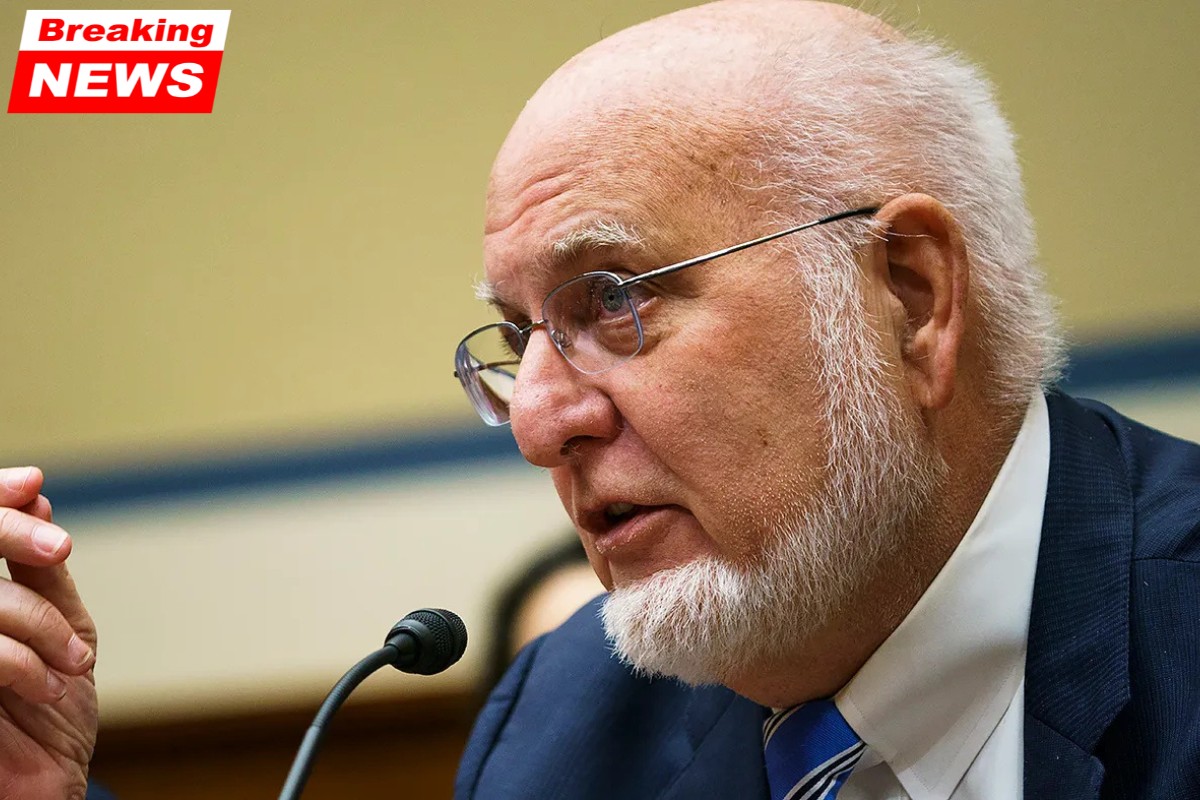
Former Centers for Disease Control and Prevention (CDC) Director Robert Redfield stated on Wednesday that he suspects the ongoing Ebola outbreak in Africa could spread to three additional countries and evolve into a “very significant pandemic.”
“I suspect this is going to become a very significant pandemic, probably going to leak into Tanzania, leak into southern Sudan, maybe leak into Rwanda,” Redfield said during an appearance on NewsNation’s “Elizabeth Vargas Reports.” He added, “So, it’s going to be very disruptive.”
The majority of Ebola cases are currently concentrated in Congo and Uganda. Local health officials in these nations have reported 536 suspected cases, 105 probable cases, 34 confirmed cases, and approximately 134 suspected deaths resulting from the outbreak, according to the CDC.
Redfield emphasized the gravity of the situation, stating, “This is an outbreak right now that is really a significant outbreak that’s of significant public health international concern, partially because what you said, it wasn’t recognized very quickly. I’m not sure why.”
Delayed Recognition and Rapid Spread
Redfield explained that typically, Ebola outbreaks are detected early. “Normally when we have these Ebola outbreaks, and I had three of them when I was CDC director, all of which were in the DRC, normally we recognize them when we have five, ten cases, you know, at most,” he said. “This one really wasn’t picked up until there was over 100 cases.” He highlighted the rapid escalation, noting, “As you said, now there’s over 500 cases. There’s close to 150 deaths already, and it’s moving very rapidly.”
The May outbreak marks the 17th Ebola outbreak in the region within the past 50 years. Officials noted that the most recent outbreak concluded in December of the previous year. The ongoing outbreak has already resulted in significant health and safety concerns for local populations and international communities alike.
Impact on International Travelers and Response Measures
One American worker reportedly came into contact with the Ebola virus while working in Congo and was transported to Germany for treatment.
In response to the outbreak, the State Department issued a travel advisory on Thursday requiring all U.S.-bound American citizens and lawful permanent residents who have been in Congo, Uganda, or South Sudan within 21 days of arrival to undergo “enhanced public health screening.”
This screening is carried out by the CDC and U.S. Customs and Border Protection to ensure travelers are monitored for potential exposure.
Travelers who have been to African countries reporting Ebola cases within the last three weeks must complete the enhanced screening process at Washington Dulles International Airport. The measures aim to prevent further international spread and provide early detection for anyone who may have been exposed to the virus.
Severity of the Outbreak
The current Ebola outbreak has already demonstrated rapid transmission and significant fatalities. With over 500 suspected cases and close to 150 deaths, health authorities are emphasizing the urgent need for containment and international vigilance.
Redfield warned that if the outbreak continues unchecked, it could reach neighboring countries including Tanzania, southern Sudan, and Rwanda, causing widespread disruption and compounding the public health crisis in the region.
The delayed recognition of the outbreak and its rapid escalation underscore the challenges of identifying Ebola in its early stages and highlight the importance of swift detection and international cooperation in managing infectious disease outbreaks.
The ongoing outbreak has prompted enhanced monitoring and preventative measures to mitigate further spread both within Africa and internationally.