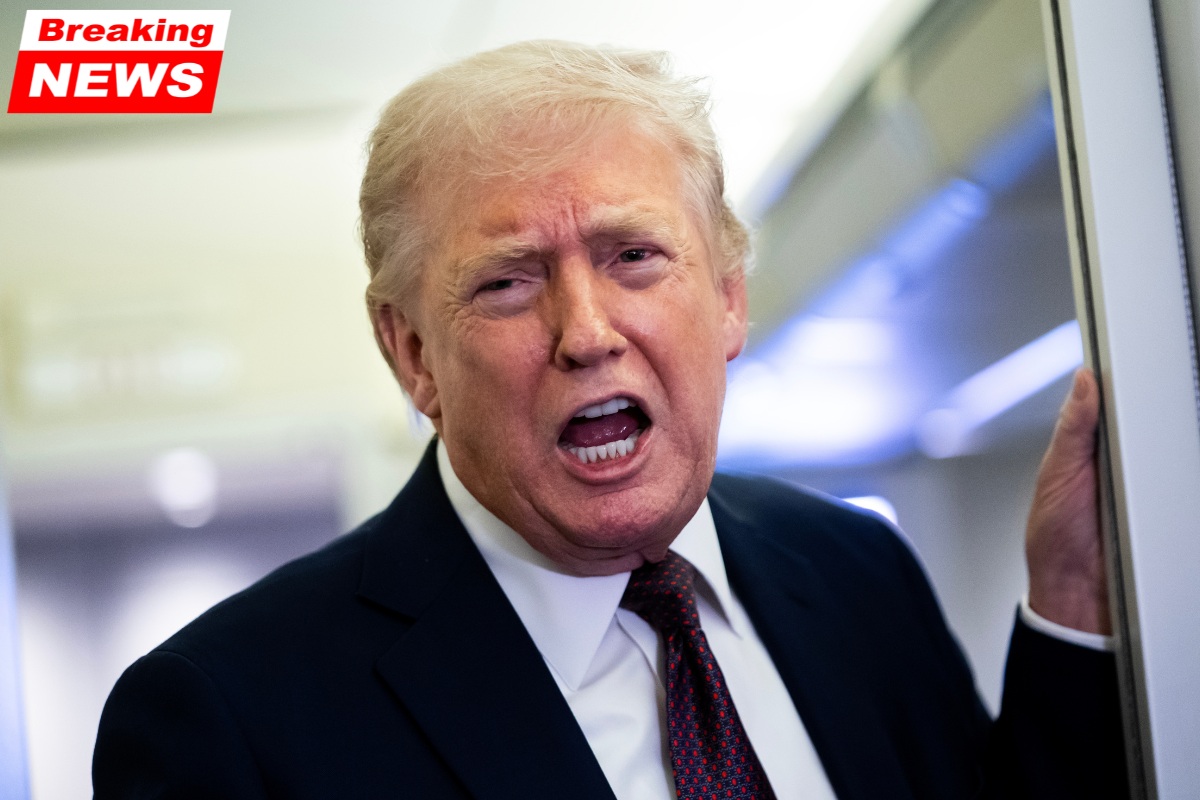
President Donald Trump has expressed interest in potentially cutting national funding for Medicare and Medicaid as a way to offset the financial burden of the ongoing conflict with Iran. While his administration has made promises to protect these programs, recent remarks have raised concerns about their future funding.
Key Takeaways from President Trump’s Remarks
| Topic | Details |
|---|---|
| Proposed Cuts | President Trump suggested ending national funding for Medicare, Medicaid, and daycare centers, proposing instead that these programs be managed at the state level. |
| Reason for the Proposal | The idea is to balance the federal budget and fund military operations, particularly the war with Iran, by reducing federal responsibilities for social welfare programs. |
| Remarks Context | The comments were made during a private meeting and later became public after an unintentional upload by the White House to YouTube. |
| Impact of War on Funding | The conflict with Iran has increased costs, including gas prices, and President Trump has acknowledged the need to find ways to cover the financial strain. |
Trump’s Plan for Medicare and Medicaid
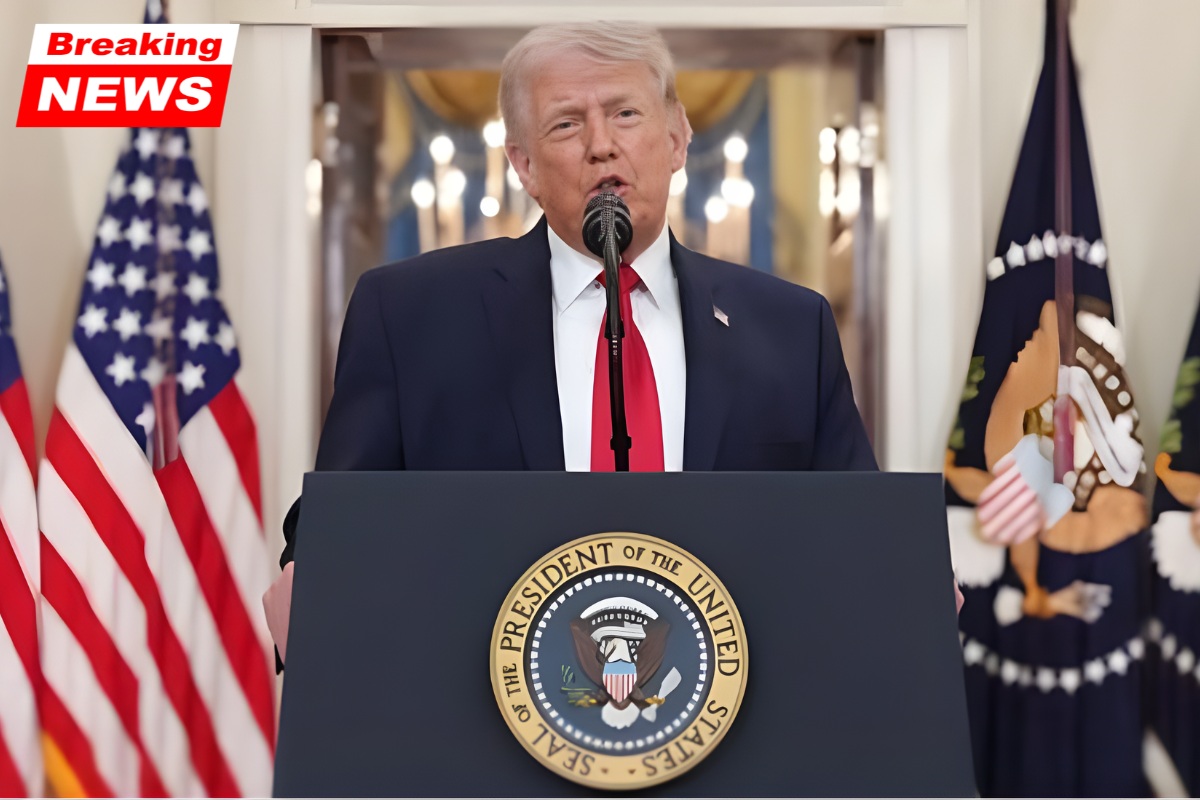
In a White House Easter lunch speech, President Trump outlined his thoughts on reducing federal spending, particularly for programs like Medicare and Medicaid. According to the president, these programs should be managed by individual states, with states raising their taxes to fund them instead of relying on federal funding.
Trump also stated, “We can balance the budget. We can have a surplus if you can stop that… We can’t take care of daycare, Medicaid, Medicare—all these individual things. They can do it on a state basis.” His argument hinges on the notion that the federal government should prioritize military protection and reduce its involvement in domestic welfare programs.
The Potential Legal and Political Challenges
While President Trump’s suggestion may have been made in the context of addressing budgetary issues caused by military conflict, Medicare and Medicaid are mandatory entitlement programs established by federal law. Federal law mandates that these programs be funded, meaning that Trump does not have the authority to simply end funding for them without significant legislative action.
Any substantial cuts to these programs would require approval from Congress, and it is unlikely that such drastic changes would pass easily given the importance of these programs to millions of Americans.
Reactions and Pushback
The comments have already prompted concerns among lawmakers and American citizens, particularly those who rely on Medicare and Medicaid for health coverage. Cuts to these programs could have devastating consequences for low-income families, seniors, and others who depend on them for healthcare and financial support.

The suggestion of reducing federal involvement in these programs also raises questions about the effectiveness of leaving critical services up to state governments. Many states may not have the resources to adequately support these programs on their own, and some could face challenges in raising the necessary taxes to cover the costs.
Will the Cuts Happen?
As of now, President Trump has not officially commented further on his remarks. The White House has not responded to requests for comment from Woman’s World regarding the president’s proposed changes to Medicare and Medicaid funding.
However, based on his prior budget proposals and his administration’s history with federal spending cuts, it’s clear that President Trump may push for significant reductions in federal welfare programs. But it is unlikely that such changes would occur without substantial political opposition.
President Trump’s proposed cuts to Medicare and Medicaid funding reflect his broader plan to prioritize military spending and reduce federal involvement in social programs. While this proposal faces significant legal and political obstacles, it underscores the ongoing debate over how the U.S. government should allocate resources during times of financial strain.