President Donald Trump has signed an order imposing a 100% tariff on brand-name pharmaceuticals produced overseas as part of an effort to push drug companies to move their manufacturing to the United States. The order aims to reduce the U.S.’s reliance on foreign sources for lifesaving drugs and ensure more pharmaceutical production happens within the country.
Key Details of the Order
| Aspect | Details |
|---|---|
| Tariff Amount | 100% on brand-name pharmaceuticals produced overseas. |
| Transitional Tariff | A 20% tariff for companies transitioning production to the U.S., with no tariff if prices are lowered to “most favored nation” levels. |
| Exemptions | The European Union, Japan, South Korea, Switzerland, and the United Kingdom are exempt due to existing trade deals. |
| Implementation Date | Tariffs will take effect starting July 31 for some companies and September 29 for others, based on size. |
| Focus | The tariff applies only to patented drugs; generic drugs are exempt. |
The tariff follows a series of actions aimed at lowering drug prices and incentivizing drug manufacturers to move their operations back to the U.S. to avoid dependency on global supply chains, which could be disrupted by geopolitical or economic events.
Motivations Behind the Tariff
The White House argues that the tariff is necessary to reduce the U.S.’s dependency on other countries for crucial medications, especially in light of the fact that about 53% of patented drugs distributed in the U.S. are manufactured outside the country. The tariff is presented as a safeguard against potential supply chain disruptions and a means to protect the country’s access to essential drugs.
Impact on Drug Prices
While the aim of the tariff is to bring drug manufacturing to the U.S., there is concern among experts that the 100% tariff could drive up drug prices. A large portion of U.S. drug prescriptions are for generic medications, which are not impacted by the tariff. However, the cost of branded medications could increase, leading to potential repercussions for patients and the broader healthcare system.
Political and Legal Reactions
Trump’s new tariff on pharmaceuticals comes a year after the aggressive tariff program he launched, which has faced setbacks in court and criticism from both Democrats and some Republicans who are concerned about higher prices for consumers.
The Democratic National Committee (DNC) criticized the new policy, calling it part of a “reckless trade war” that could harm the economy. However, the Trump administration remains undeterred by negative polling and continues to push forward with its trade agenda, with the White House celebrating the tariff as part of a broader plan to make the U.S. more wealthy, strong, and respected.
Tariff on Foreign Metals Also Adjusted
In addition to the pharmaceutical tariff, President Trump ordered changes to tariffs on foreign steel, aluminum, and copper. The changes are designed to prevent foreign steel exporters from undervaluing the steel they export to the U.S. to bypass the tariffs. The new rules also revised how tariffs are calculated for finished products that contain metal, eliminating tariffs for products with less than 15% metal content.
Trump’s Efforts on Drug Price Reduction
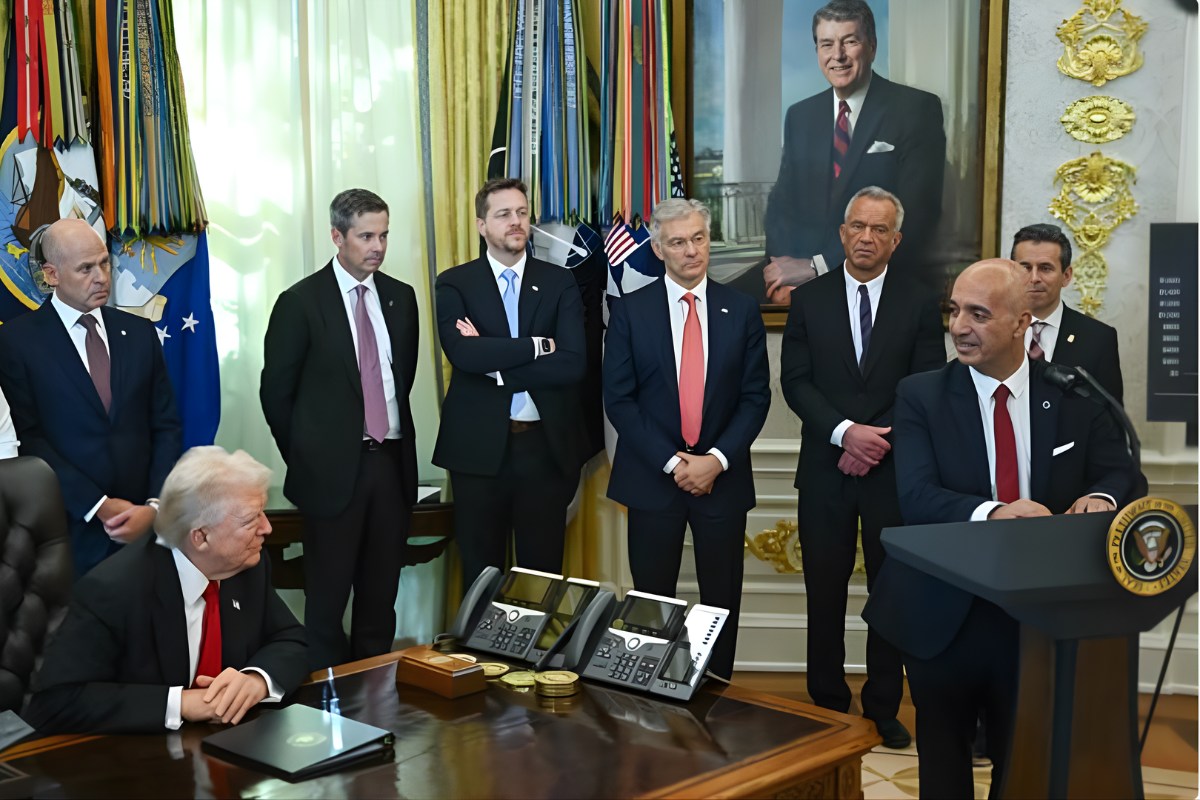
Trump has made significant moves in his push to lower prescription drug prices. In December, he hosted an event where nine major pharmaceutical companies—including Amgen, Bristol Myers Squibb, Merck, and others—agreed to lower their drug prices.
The administration has also launched the TrumpRx website to help Americans buy medications at lower prices, and many drug companies have committed to investing hundreds of billions of dollars in U.S. production.
The new tariffs on pharmaceuticals represent the latest step in Trump’s efforts to reshape global trade, encourage domestic manufacturing, and address high drug prices. While there are concerns about potential price hikes due to the tariffs, the Trump administration is framing this policy as a long-term investment in U.S. health and economic security.