California is set to implement new regulations on July 1 that will allow police to issue tickets to driverless cars, even when no one is behind the wheel. These rules aim to enhance accountability for autonomous vehicle companies, ensuring they are held responsible when their cars break traffic laws or disrupt emergency scenes. The new rules are part of broader efforts to regulate the growing presence of autonomous vehicles (AVs) on public roads.
New Rules for Autonomous Vehicles
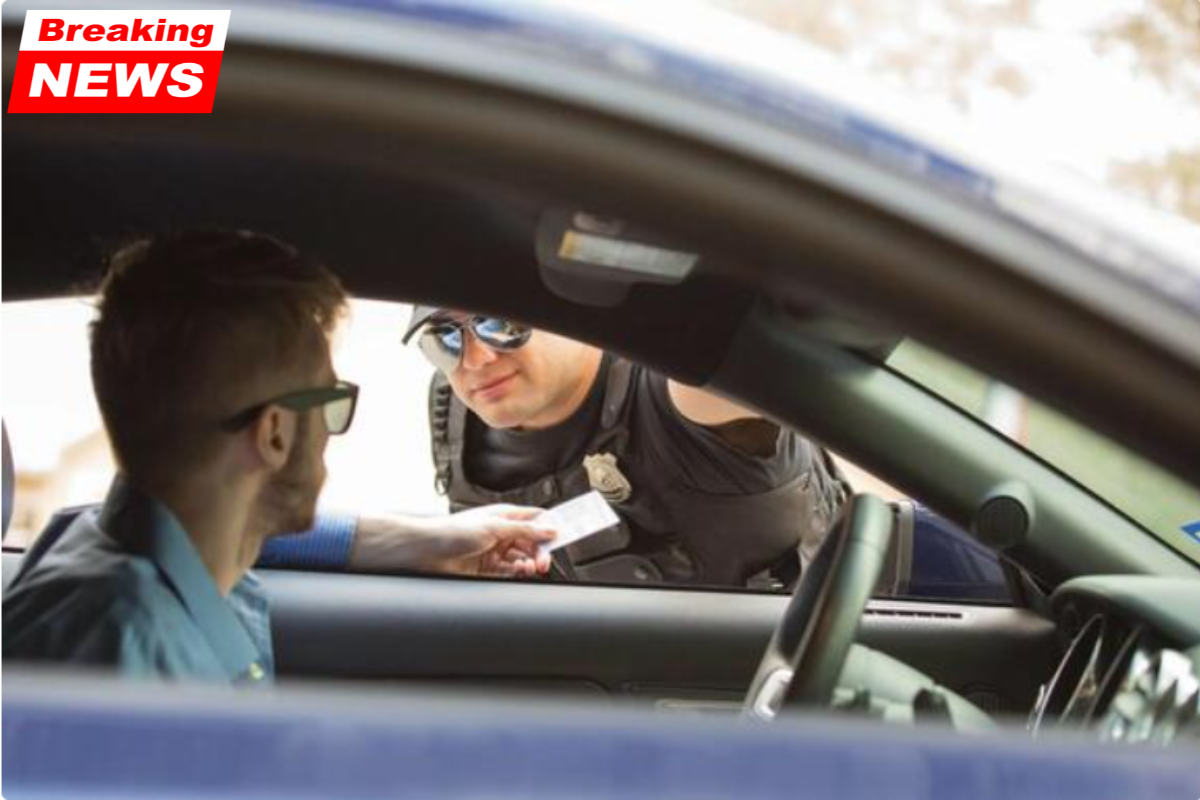
Under the new Department of Motor Vehicles (DMV) rules, officers will be able to issue a “Notice of AV Noncompliance” directly to manufacturers when their autonomous vehicles commit traffic violations. These notices will serve as a form of ticketing for infractions made by driverless cars.
In addition to violations, police will also have the authority to require companies to move their autonomous vehicles during emergency situations. This is a direct response to concerns raised by public officials and residents about the impact of autonomous vehicles on traffic flow and emergency response times.
Background of the Changes
The changes come as part of a 2024 state law that expands oversight of autonomous vehicle technology, reflecting California’s ongoing efforts to address the safety and regulatory challenges posed by these vehicles.
The DMV has emphasized that the new regulations are designed to improve public safety and hold companies accountable as autonomous vehicles become more common on California’s roads.
Waymo, the autonomous vehicle service owned by Google’s parent company, Alphabet, has been at the forefront of these discussions. Waymo’s self-driving taxis are already operating in major cities like Los Angeles and San Francisco, and its vehicles have been involved in several incidents that have drawn public scrutiny.
Recent Incidents Highlight the Need for Regulation
The push for stronger regulations comes in the wake of several high-profile incidents involving autonomous vehicles. For example, in December, a significant outage in San Francisco left multiple Waymo cars stalled at intersections where the traffic lights were malfunctioning.
Additionally, in April 2026, the California DMV reported 978 collisions involving autonomous vehicles dating back to 2014, illustrating the need for tighter control.
One notable incident occurred in 2025 when a Waymo vehicle made an illegal U-turn at a traffic light in San Bruno, directly in front of police officers.
Other incidents, including self-driving cars driving into flooded roads in Austin, Texas, and illegally passing school buses with their stop arms extended, have also sparked concerns about the reliability of autonomous vehicle systems.
Despite these incidents, Waymo has defended its safety record. The company claims that, based on over 170 million miles of autonomous driving, its vehicles have been involved in 92% fewer crashes that cause serious or fatal injuries compared to human drivers in similar conditions.
Additional Regulations for Autonomous Vehicle Manufacturers
In response to these challenges, the California DMV is also tightening rules for companies that test and operate self-driving vehicles. Manufacturers will be required to undergo more extensive testing before receiving permits to operate. Additionally, employees who remotely assist in operating these vehicles will need to meet new training and certification requirements.
Furthermore, companies will be expected to collect and report more data on safety-related incidents. This move aims to increase transparency and ensure that manufacturers are closely monitoring and addressing potential risks associated with their vehicles.
California’s Commitment to Public Safety
DMV Director Steve Gordon emphasized that the state is balancing innovation with public safety. He stated, “California continues to lead the nation in the development and adoption of AV technology, and these updated regulations further demonstrate the state’s commitment to public safety.”
Gordon added that the new rules will help ensure the growth of the AV industry while enhancing public safety and providing more transparency, which will ultimately lead to greater accountability for AV manufacturers.
Summary Table of Key Information
| Event | Details |
|---|---|
| New Regulations | Starting July 1, California police can ticket autonomous vehicles for traffic violations. |
| Ticketing Process | “Notice of AV Noncompliance” can be issued to manufacturers for infractions. |
| Emergency Measures | Authorities can require companies to move autonomous vehicles during emergencies. |
| Waymo’s Role | Waymo operates autonomous taxis in major cities and has been involved in several incidents. |
| Recent Incidents | Waymo cars have been involved in accidents, illegal U-turns, and safety issues. |
| Manufacturing Requirements | Companies must undergo more testing and provide better data on safety incidents. |
| Safety Statistics | Waymo claims 92% fewer serious crashes compared to human drivers in similar conditions. |
| Regulatory Focus | The new rules balance innovation with public safety and enhance accountability. |
Navigating the Future of Autonomous Vehicles
California’s new rules represent a significant step forward in regulating autonomous vehicles and ensuring that these technologies operate safely on public roads. While self-driving cars hold the promise of transforming transportation, the state’s new regulations aim to strike a balance between fostering innovation and protecting the public.
As more autonomous vehicles hit the streets, these rules will provide a framework for managing their impact on traffic, safety, and emergency response.