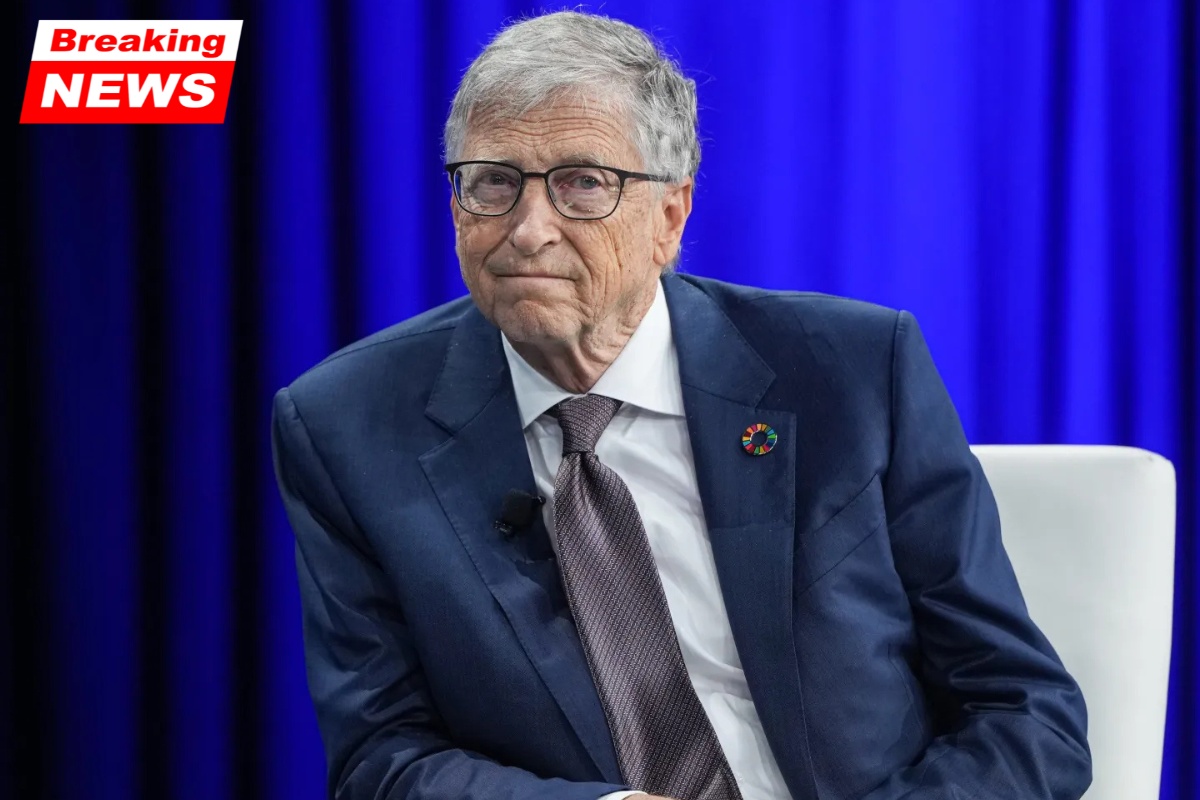
Fresh documents released by the US Department of Justice have revealed more details about how Jeffrey Epstein tried to pressure Microsoft co-founder Bill Gates over financial support given to a Russian bridge player, Mila Antonova. The emails show a years-long effort by Epstein to involve himself in Gates’ personal life and inner circle. While Gates has admitted he regrets meeting Epstein, the new records shed light on how the disgraced financier allegedly tried to use personal information for leverage.
Who Was Involved in the Emails
Jeffrey Epstein sent an email in April 2018 to Larry Cohen, who was then chief of staff to Bill Gates. In that message, Epstein said he had arranged housing in one of his New York apartments for Mila Antonova and warned that the situation was “playing with fire.”
The Department of Justice documents show that between 2013 and 2018, Epstein:
- Helped organise Antonova’s US visa
- Sent her money
- Paid for her coding education
- Provided accommodation in Manhattan
Later, Epstein allegedly pressured Gates to reimburse him for those expenses.
How the Connection Began
Antonova reportedly met Gates at a bridge tournament in 2009. Her lawyer confirmed that she and Gates had a relationship for some time around 2010.
Epstein’s involvement reportedly began through Boris Nikolic, who was then a science adviser connected to the Gates Foundation. Emails show Nikolic contacted an immigration lawyer in 2013 to assist Antonova with her visa situation.
Around the same time, Nikolic’s professional relationship with Gates began to deteriorate. By late 2013, he had left the Gates Foundation.
Epstein, meanwhile, started communicating more actively about Antonova’s financial situation.
Epstein’s Financial Support and Pressure
The documents show that Epstein sent regular payments to Antonova and covered some of her educational costs. According to her attorney, she accepted the help believing Epstein genuinely wanted to assist her. She reportedly met Epstein in person only twice and was not aware of any pressure campaign.
However, emails suggest Epstein later referenced these payments when speaking to Gates’ representatives. In 2017, he wrote to Cohen that he had paid for Antonova’s schooling and living costs after her relationship with Gates ended. He said three years had passed and suggested Gates should reimburse him.
In one email, Epstein reportedly invoked the “sanctity of friendship” and hinted that the story could damage Gates’ reputation if it became public.
Gates’ Response and Regret
A spokesperson for Gates said he regrets ever meeting Epstein. The spokesperson stated that the documents show how extensively Epstein tried to insert himself into Gates’ life, even after Gates stopped communicating with him.
Gates has previously acknowledged having affairs, including one with a Russian bridge player. However, he has not been accused of any criminal wrongdoing related to these documents.
Escalation Before Epstein’s Arrest
In early 2019, just months before his arrest, Epstein again emailed Gates asking to be reimbursed. It is unclear whether Gates ever responded.
Soon after, Epstein was arrested on federal charges related to sex trafficking minors. In August 2019, he was found dead in his jail cell at the Metropolitan Correctional Center in Manhattan.
Here is a simple overview of the timeline:
| Year | Key Event |
|---|---|
| 2009 | Antonova meets Gates |
| 2013 | Epstein begins financial support |
| 2014–2018 | Housing and education payments continue |
| 2017 | Epstein pressures Gates for reimbursement |
| 2019 | Epstein arrested |
Why This Story Matters
The newly released documents do not accuse Gates of any crime. However, they highlight how Epstein allegedly used personal relationships and financial assistance to try to gain influence.
This case also raises broader questions:
- How powerful individuals can be targeted for leverage
- The risks of associating with controversial figures
- The long-term reputational damage of such connections
Epstein was known for cultivating relationships with wealthy and influential people. Prosecutors have described him as a manipulator who used money and access to gain power. The emails released by the Department of Justice paint a picture of Jeffrey Epstein attempting to use financial support given to Mila Antonova as leverage against Bill Gates.
While Gates has admitted regretting his meetings with Epstein and has not been charged with any wrongdoing, the documents show how persistent Epstein was in trying to insert himself into Gates’ personal and professional world.
The case is another reminder of how associations with controversial figures can create lasting reputational risks. Even years after Epstein’s death, new details continue to emerge, keeping public attention focused on the network of relationships he built and the influence he tried to exert.