
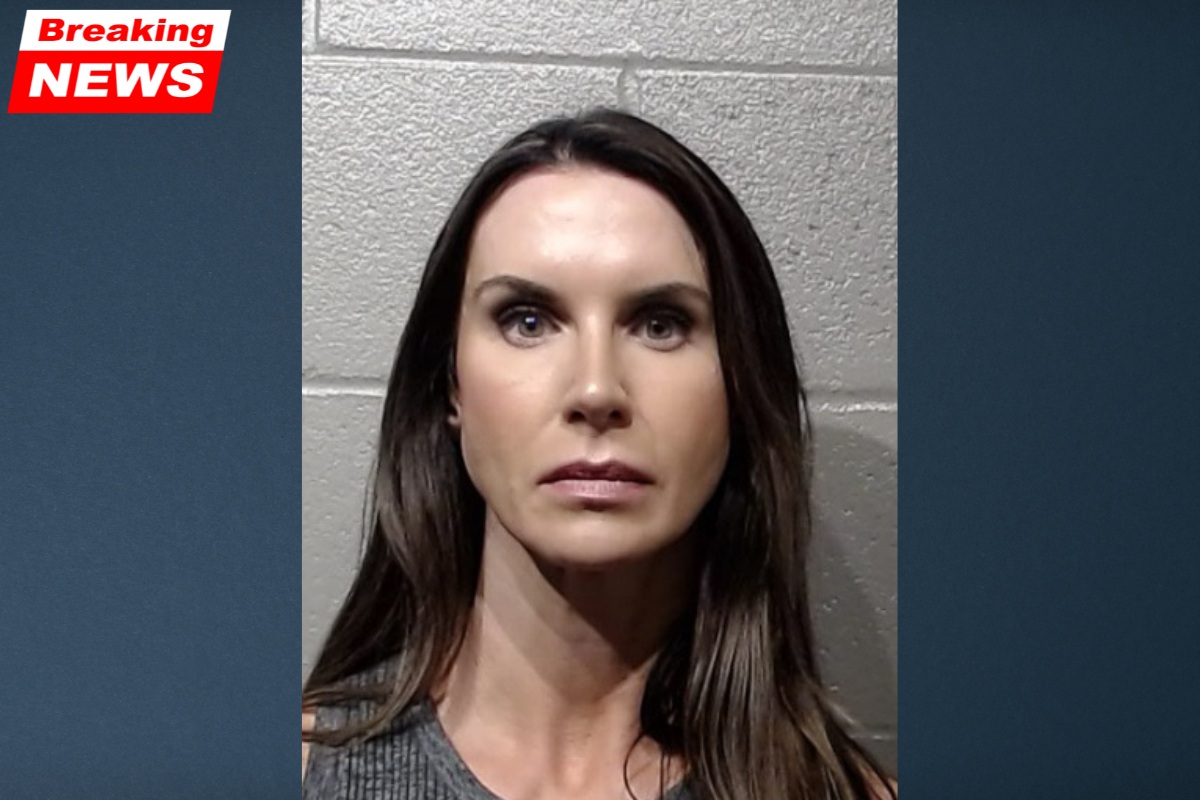
NORMAN, OKLA. — An investigation by a Grand Jury has uncovered potential special treatment for Sara Polston, a DUI-convicted felon, during her time at the Cleveland County Jail.
The investigation centers around allegations that Polston, who was sentenced to eight years in prison for causing a crash that nearly killed 19-year-old Micaela Borrego, was given preferential treatment due to her connections with Governor Kevin Stitt and former Cleveland County Sheriff Chris Amason.
The Crash and Its Aftermath
In 2023, Polston drove drunk and crashed into Micaela Borrego, sending her into a coma for several months. Borrego, who survived the crash, will live with lifelong injuries as a result of the incident.
Polston, with a blood alcohol content nearly twice the legal limit, was traveling at 66 miles per hour in a 25 mph zone when she crashed, and a Tequila bottle was found in her vehicle.
Polston was arrested and later sentenced to eight years in prison for driving under the influence and causing great bodily injury.
However, Polston served just 73 days of her sentence before being released early on GPS monitoring.
This early release was approved without the Borrego family’s knowledge or prior notification from the Department of Corrections (DOC).
Allegations of Special Treatment and Favoritism
Recorded phone calls from Polston during her time at the Cleveland County Jail revealed conversations that raised concerns about special treatment.
In one phone call with her husband, Rod Polston, Sara complains about her iPad not being charged and asks for help in getting moved to a different part of the jail.
In another call, Polston requests her husband to contact Chris Amason, the former Cleveland County Sheriff, to see if she could be moved back to an area where she had previously slept.
The report from the Grand Jury indicates that Rod Polston and Sheriff Amason were familiar with one another, and Governor Stitt had personal connections with the Polston family, including a history of high school friendship and fraternity membership with Rod Polston.
The Grand Jury report raised concerns that Governor Stitt and Sheriff Amason may have been involved in helping Polston through their connections, leading to her early release.
Rod Polston was heard in one conversation saying, “I’m going to try not to beg Kevin, bother him,” hinting at the possible involvement of Governor Stitt.
The Governor’s Response
Governor Stitt denied any involvement in Polston’s release, pointing fingers at former Sheriff Amason, who was still in office at the time of the early release.
Stitt’s post on Saturday stated, “What is buried deep in this grand jury report is who DID do favors while the inmate was in county jail… Cleveland County Sheriff Amason.”
No Criminal Charges, But Concerns Raised
Although no criminal charges were filed against the individuals involved, the Grand Jury’s report called attention to potential conflicts of interest and ethical violations.
The report suggested that Department of Corrections (DOC) policies and procedures regarding inmate early release and favoritism should be revised.
It also recommended the implementation of training programs for DOC employees on victim rights, ethical considerations, and the potential conflicts of interest that arise when personal relationships influence official decisions.
The report further found that Sara Polston was allowed to receive special privileges during her time in jail, such as receiving Chick-fil-A from her husband and being issued a tablet outside of normal procedures.
Calls for Reforms and Accountability
While Sara Polston’s early release raised public outcry, particularly from the Borrego family, it also highlighted issues within Oklahoma’s prison system. Crystal Washington, a community advocate who represents the Borrego family, called for greater accountability and police oversight. She said, “Conduct this abhorrent by a peace officer should never occur in any community.”
Changes Suggested by the Report
In light of the investigation, the Grand Jury recommended changes to the DOC’s internal policies. These recommendations include:
- Revising the early release procedures to ensure transparency and fairness.
- Instituting training programs for DOC employees on the ethical considerations of inmate releases.
- Enhancing focus on victim rights and addressing potential conflicts of interest within the system.
Conclusion: A Dark Chapter for Oklahoma’s Justice System
The early release of Sara Polston has become a flashpoint in Oklahoma’s ongoing struggle with police accountability and corruption within its justice system.
While the Polston case is still ongoing, and there has been no criminal prosecution as of now, the Grand Jury’s findings suggest that personal relationships and political connections may have influenced Polston’s treatment, creating an appearance of inequity within the prison system.
As this investigation unfolds, it serves as a reminder that transparency and accountability in the justice system are essential for maintaining public trust and ensuring fairness for all citizens, regardless of their connections or status.






