A middle school assembly in Chino Hills, California celebrating the 250th anniversary of the United States sparked a wave of backlash from left-wing parents and activists.
The event, held at Canyon Hills Junior High School, featured a program full of patriotic displays, student performances, and speeches that focused on American history and civic pride.
However, its ties to conservative organizations drew criticism from some members of the community, leading to protests and heated debate.
The “History Rocks 250” Event: Celebrating America’s History
The assembly, dubbed “History Rocks 250,” took place as part of preparations for the U.S. 250th birthday celebration in 2026, which will mark the adoption of the Declaration of Independence in 1776.
The event featured performances by the school choir, speeches, trivia contests, and reflections on American history. Students actively participated in the assembly, with some serving as moderators and engaging in discussions about key historical events.
Sonja Shaw, president of the Chino Valley Unified School District Board of Education, addressed the crowd, and despite her remarks being met with scattered boos from some attendees, she pressed forward with the program.
“I feel bad their kids missed school, that’s a whole day of instruction time,” Shaw later said, expressing disappointment that some parents had chosen to keep their children home.
Controversy Arises Over Conservative Ties
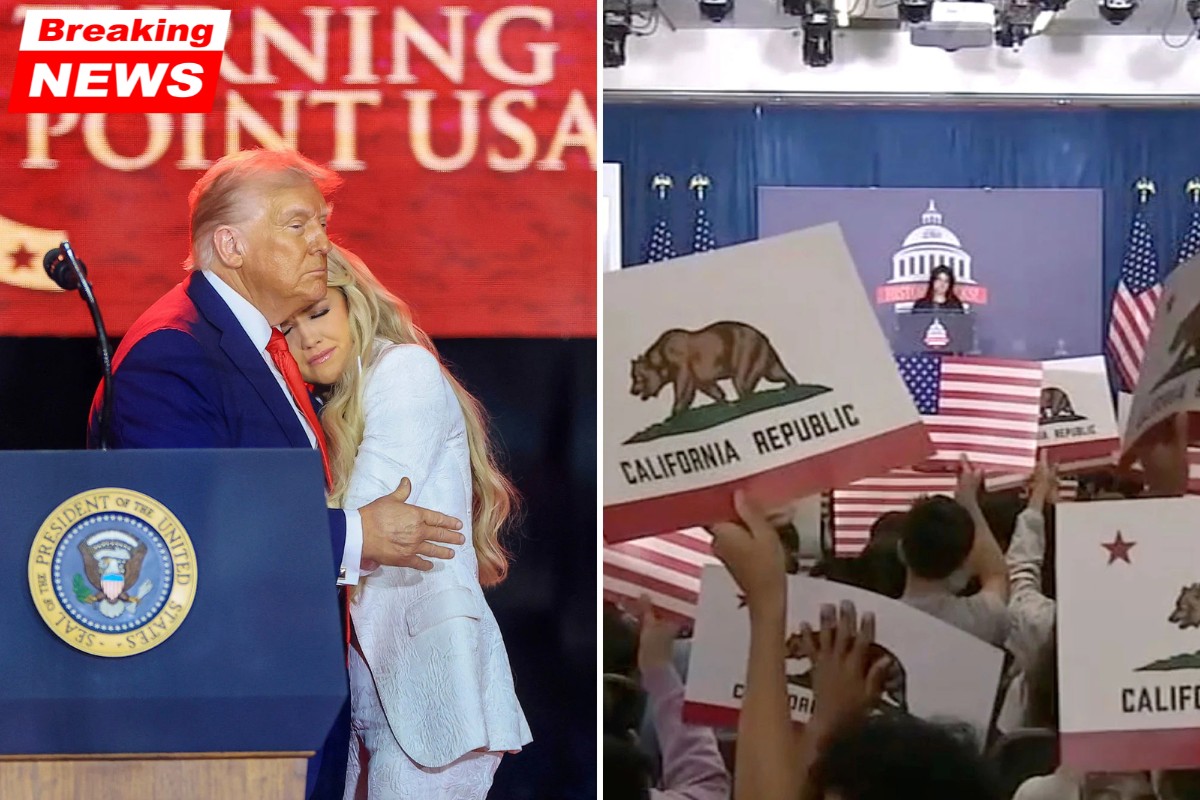
The controversy surrounding the assembly was largely fueled by its association with right-wing groups like Turning Point USA and the Heritage Foundation, two influential conservative organizations.
Turning Point USA, founded by Charlie Kirk, and the Heritage Foundation, which produced Project 2025, were linked to the event’s planning, drawing ire from some left-wing activists.
Debra Esquivel, a Chino Hills grandparent, voiced her concerns, criticizing the event’s association with these organizations and their political views. “I’m concerned about the views of Turning Point USA and the Heritage Foundation,” Esquivel said. Some parents also joined in the protests, with signs that read “No politics in school” while others kept their children home in protest.
The political backdrop to the event intensified after a controversial incident involving Katharine Gorka, a senior adviser for civic education at the U.S. Department of Education, who had previously served as a Trump administration official. Gorka’s presence at the event, along with the ties to conservative groups, raised concerns among some parents about the potential politicization of education.
Patriotic Themes and Student Participation
Despite the controversies, the assembly moved forward with its patriotic themes, featuring students actively involved in the event. The program began with the Pledge of Allegiance, followed by the national anthem sung by the school choir. Students were then engaged in American history trivia and discussions of significant historical events like the American Revolution.
One of the student moderators quizzed their peers, asking, “Which war left Britain in debt and caused higher taxes on the colonies?” The event concluded with students delivering speeches reflecting on the American ideals of freedom and opportunity, with one student noting:
“What makes America special is that for generations families all over the world have come here, searching for freedom, opportunity and the chance to build a better life.”
Protests and Support: A Divided Response
The assembly ignited passionate reactions on both sides. Supporters of the event argued that it was a celebration of American history and a chance to encourage civic engagement among students.
They contended that the event’s focus on patriotism and American history was intended to uplift students, especially as the nation prepares for its 250th anniversary.
However, critics, especially from more progressive circles, expressed concerns that the involvement of conservative groups blurred the line between education and politics.
These critics accused the event’s organizers of promoting a political agenda in the classroom under the guise of celebrating history.
Protesters also argued that the assembly was more about pushing a conservative narrative than providing an objective, educational exploration of American history.
This underscores the growing political tensions inside California schools, where debates over patriotism, curriculum, and civic education are increasingly becoming flashpoints between conservative and progressive parents.
The Bigger Picture: Growing Political Tensions in Schools
This controversy is part of a broader nationwide debate about the role of politics in public education. Issues like patriotism, history teaching, and civic engagement have become contentious points of division.
With school curriculums often reflecting the political leanings of local governments, there are rising concerns about politicized content being introduced into classrooms.
The situation in Chino Hills is an example of how political polarization is creeping into the school system. Both sides of the political spectrum are fiercely defending their views on what constitutes appropriate education for students, especially when it comes to shaping their understanding of history and American values.
Tensions Over Politics in Education
The “History Rocks 250” event at Canyon Hills Junior High has sparked a polarizing debate about the intersection of politics and education.
While the event aimed to celebrate American history and patriotism, its association with conservative organizations and political figures led to widespread backlash from progressive parents and activists.
As the U.S. approaches its 250th anniversary, the controversy highlights the deepening political divides over educational content in American schools.
Whether the event was simply an effort to honor America’s history or an attempt to inject political ideology into the classroom, it is clear that this clash is part of a larger, ongoing discussion about the role of politics in public education—a discussion that is likely to intensify as the nation moves toward its milestone 250th birthday.