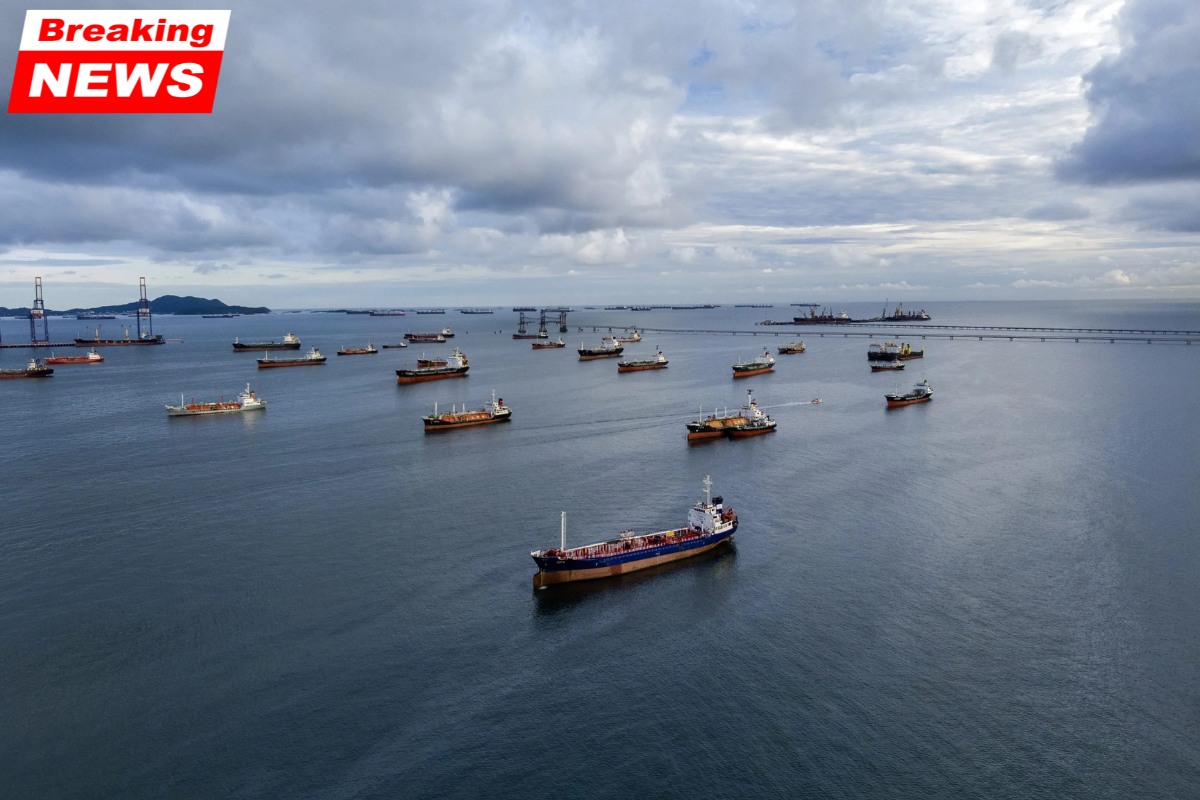
The global oil market faced a sudden shock on April 13 when a major oil tanker named Rich Starry made an unexpected U-turn near the Strait of Hormuz. The tanker, which was carrying Iranian oil to China, stopped its journey and joined hundreds of other ships stuck in the area.
This situation has created tension worldwide, as this narrow sea route is extremely important for global energy supply.
What Happened in the Strait of Hormuz
Around 800 ships, including nearly 400 oil and gas tankers, are currently stuck in the region. These vessels have been waiting for weeks, with no clear movement since late February.
Experts say that after the United States started a blockade, no tanker has been able to pass through the strait. This has completely stopped the normal flow of oil through this critical route.
Why This Area Is So Important
The Strait of Hormuz is one of the most important shipping routes in the world. Nearly 20% of the world’s oil and natural gas passes through it every day.
Here’s why it matters so much:
- It connects major oil-producing countries in the Middle East to global markets
- Countries like China, India, and Japan depend heavily on this route
- Any disruption quickly affects fuel prices worldwide
Because of the blockade, oil prices have already crossed $100 per barrel, increasing pressure on global economies.
Rising Tensions Between the U.S. and Iran
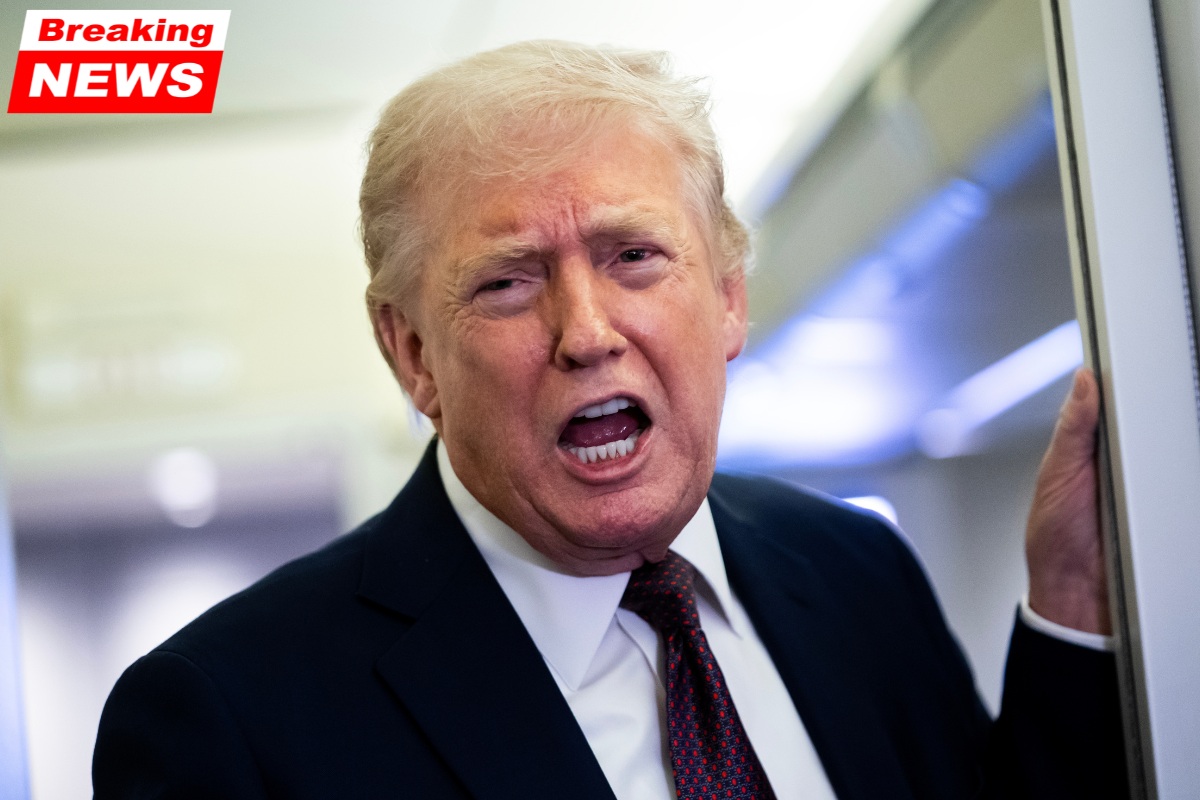
The situation worsened after peace talks between the U.S. and Iran failed. Following this, Donald Trump decided to enforce a blockade in the region.
Now, both the U.S. and Iran are claiming control over the strait. This has created confusion and fear among shipping companies.
Key concerns include:
- Ships fear attacks if they try to cross
- The U.S. has warned it will destroy any threatening Iranian boats
- Iran may respond aggressively, increasing risk of conflict
Because of this, most ships are choosing to stay put rather than take the risk.
Global Impact of the Blockade
The effects of this crisis are already being felt across the world.
Major impacts include:
- Rising fuel prices
- Shortage of natural gas and heating oil
- Impact on industries that depend on energy
- Supply issues for fertilizers and even helium
Many Asian countries have started saving energy to deal with shortages. Governments are also using emergency oil reserves to manage the situation.
However, experts warn that this is only a temporary solution.
What Countries Are Doing
World leaders are trying to avoid further escalation. Emmanuel Macron has proposed a plan along with the United Kingdom to ensure safe passage through the strait.
This plan aims to:
- Protect ships without taking sides
- Restore normal shipping movement
- Avoid direct military conflict
Still, it is not clear how quickly this plan can be implemented.
What Lies Ahead
Experts believe the situation could get worse before it improves. If the blockage continues:
- Oil supply could drop significantly
- Demand may fall due to high prices
- Global economic growth could slow down
There is also concern about whether any ship will take the risk to move first. Until that happens, the situation remains uncertain.
The crisis in the Strait of Hormuz shows how fragile the global energy system is. A single conflict in one region can affect the entire world. With ships stuck, prices rising, and tensions increasing, countries are facing a tough challenge.
While efforts for peace are ongoing, the situation remains unpredictable. If a solution is not found soon, the impact on daily life, industries, and global economies could become much more serious in the coming months.