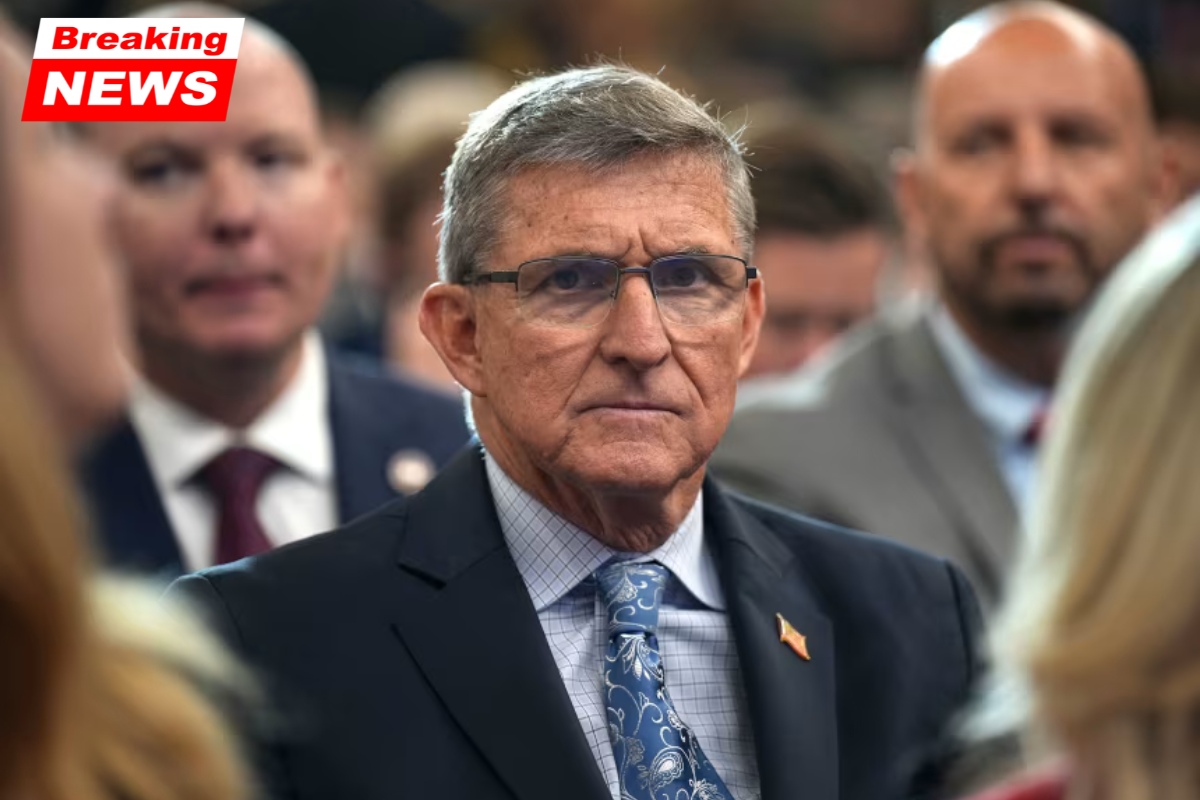
The U.S. Department of Justice has reached a settlement with Michael Flynn, resolving a lawsuit in which he accused the government of wrongful prosecution. The agreement brings an end to a high-profile legal battle tied to events from the early days of the Trump administration.
Settlement Details Remain Limited
According to a brief court filing, both Flynn’s legal team and the Justice Department agreed to dismiss the lawsuit in exchange for “settlement funds.” While the exact amount was not officially disclosed, a source familiar with the matter indicated that Flynn will receive more than $1 million.
Flynn had originally sought $50 million in damages, claiming that federal investigators attempted to entrap him during the investigation.
Background of the Case
The dispute stems from a 2017 criminal case in which Flynn admitted to lying to the FBI about conversations with Russian ambassador Sergey Kislyak. The case was part of the broader investigation led by special counsel Robert Mueller into Russian interference in the 2016 election.
Flynn initially cooperated with investigators, providing information related to potential obstruction of justice involving Donald Trump. However, before sentencing, Flynn moved to withdraw his guilty plea. The Justice Department later dropped the case, and he was subsequently pardoned by Trump.
Flynn’s Claims and Government Response
In his lawsuit, Flynn argued that the FBI had acted improperly and that the prosecution was politically motivated. He described the case as part of a broader effort to undermine the Trump administration.
A Justice Department spokesperson stated that the settlement represents “an important step in redressing that historic injustice,” while emphasizing a commitment to accountability and preventing misuse of federal power.
Flynn, in his own statement, maintained his innocence. He acknowledged that no financial settlement could fully compensate for the damage caused but said the agreement marks “a meaningful step toward righting a profound wrong.”
The settlement closes a long-running and controversial chapter tied to one of the most scrutinized investigations in recent U.S. political history. While the financial terms remain partly undisclosed, the resolution reflects ongoing debates about the handling of the Russia investigation and the balance of power within federal law enforcement.