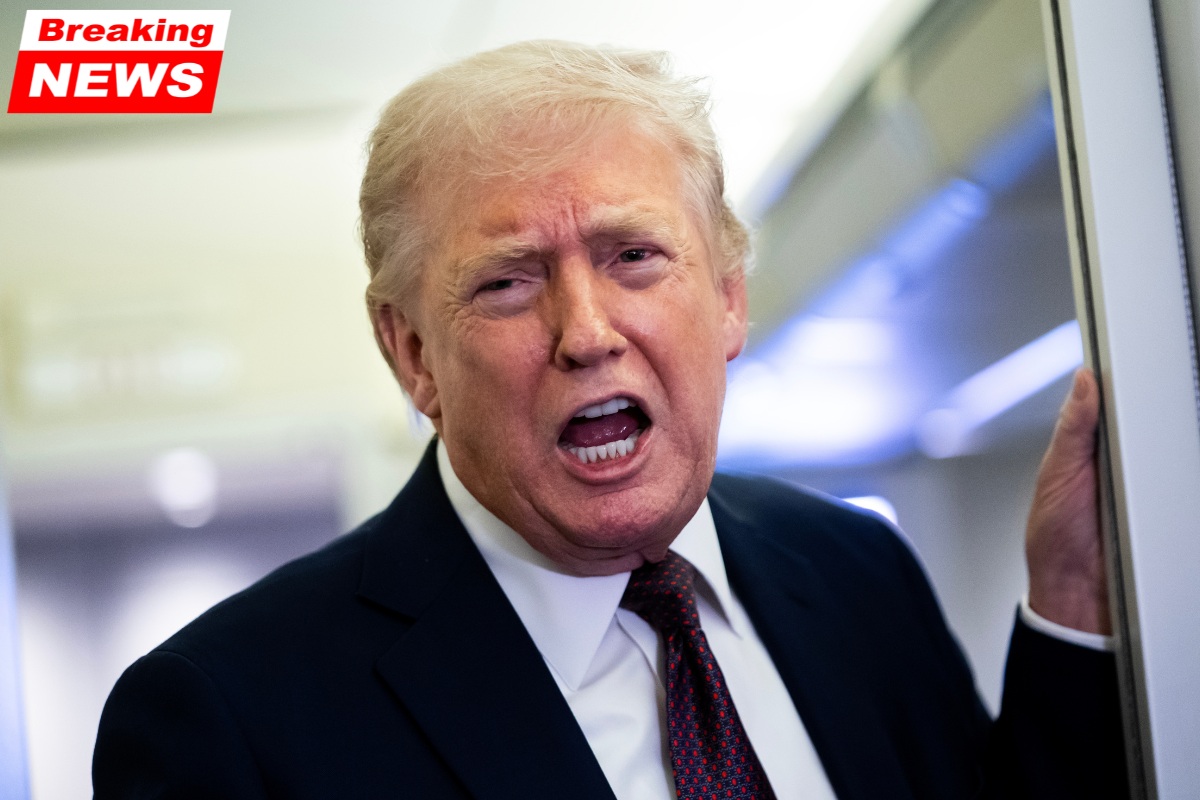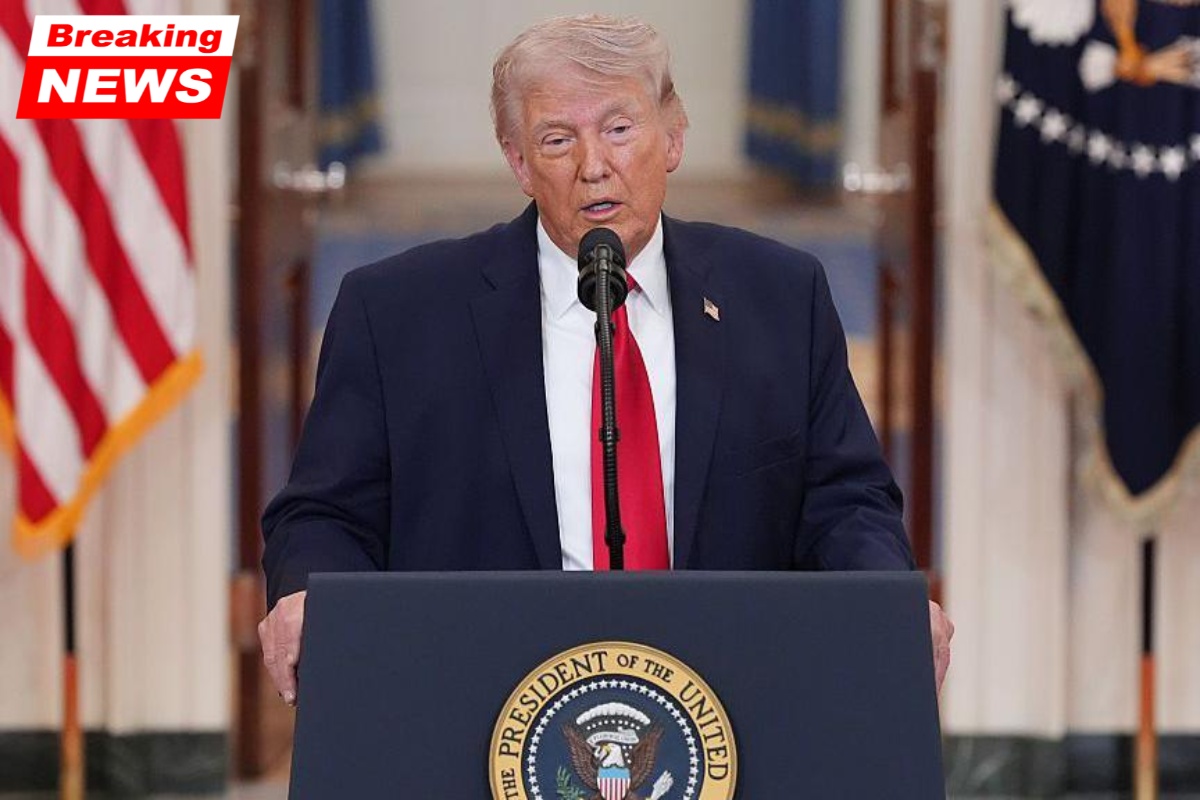
In a recent national address, Donald Trump said the United States is “winning big” in Iran, aiming to reassure Americans amid rising geopolitical tensions and economic concerns.
His remarks covered military operations, energy policy, and domestic political priorities, reflecting a wide-ranging moment for his administration.
Key Details at a Glance
| Aspect | Details |
|---|---|
| Main Topic | U.S. position in Iran conflict |
| Military Outlook | Continued operations for 2–3 weeks |
| Energy Policy | Urged allies to buy or secure oil |
| Domestic Issue | Birthright citizenship debate |
| Legislative Push | Immigration funding via reconciliation |
| Political Context | Ongoing legal and congressional battles |
What Trump Said About Iran
During the address, Trump emphasized what he described as major U.S. successes in Iran.
He claimed that the U.S. military has:
- Destroyed Iran’s missile systems and production facilities
- Severely weakened or eliminated its naval capabilities
- Secured the region from Iranian threats
- Prevented Iran from obtaining a nuclear weapon
He also indicated that military operations could continue for another two to three weeks, signaling that the conflict phase is not yet over.
In addition, Trump addressed concerns about rising oil prices, urging U.S. allies to either purchase American oil or secure access through key routes such as the Strait of Hormuz.
Supreme Court Appearance and Birthright Citizenship Debate
Earlier the same day, Trump made a rare appearance at the Supreme Court of the United States, where arguments were heard regarding his executive order aimed at ending birthright citizenship.
He is believed to be the first sitting president to attend oral arguments in person for such a case.
However, early indications suggested that the justices may not be inclined to support his position. The debate centers on the interpretation of the 14th Amendment to the United States Constitution, which guarantees citizenship to individuals born in the United States.
Following the session, Trump reiterated his opposition to birthright citizenship on social media, criticizing the long-standing constitutional provision.
Immigration Funding Plan Gains GOP Support
On the legislative front, Trump called for increased funding for immigration enforcement agencies, requesting action by June 1.
His proposal involves using a reconciliation bill, a legislative process that allows passage with a simple majority in Congress, to fund border security and immigration initiatives.
Key Republican leaders, including Mike Johnson and John Thune, voiced support for the plan.
Their joint approach includes:
- Funding part of the Department of Homeland Security through standard appropriations
- Using reconciliation to secure additional funding for border and immigration policies over the next three years
This strategy is intended to align with the broader goals of the Trump administration.
Balancing Foreign and Domestic Pressures
The developments highlight how Trump is simultaneously navigating foreign conflict and domestic policy challenges.
On one hand, his administration is projecting strength in international affairs, particularly regarding Iran. On the other, it is facing legal scrutiny and political resistance on key domestic issues such as immigration and constitutional interpretation.
The overlap of these issues underscores the complexity of governing during periods of both geopolitical tension and internal policy debate.
President Trump’s recent address and actions reflect a multifaceted moment for his administration. His strong statements on Iran aim to project confidence and control, while his domestic initiatives signal continued efforts to reshape immigration policy and constitutional interpretation.
As military operations continue and legal battles unfold, the coming weeks are likely to be critical in determining both the international and domestic trajectory of his presidency.