
Oklahoma House Bill 3130 has advanced to the Senate, proposing significant changes to the state’s approach to gender-affirming care. While amendments to the bill removed provisions that initially sought to bar adults from receiving gender-affirming treatments, critics are concerned that the revised language could restrict access to essential mental health counseling for children experiencing gender dysphoria.
Key Changes in House Bill 3130
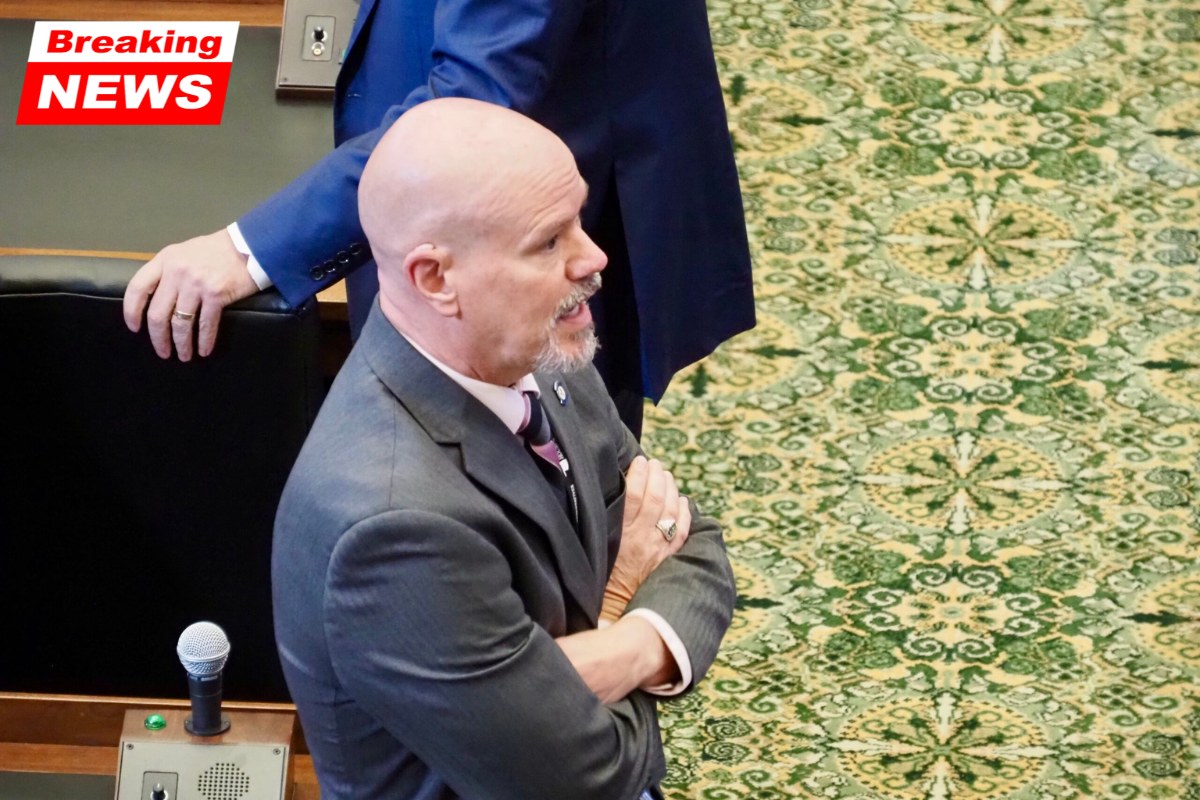
Authored by Rep. Kevin West, R-Moore, House Bill 3130 would redefine what constitutes a gender transition procedure under state law. The bill, which builds on a previous state law banning gender-affirming procedures for minors, removes behavioral health services and mental health counseling from the list of exceptions.
West’s bill would allow healthcare providers who violate the law to face punitive damages. This includes providers who perform gender-affirming procedures on minors or refer minors for such care. The bill also expands the definition of “health care providers” to include psychologists, counselors, therapists, social workers, and behavioral health practitioners.
Provisions for Adults and Minors
The revised version of the bill removes a controversial provision that would have restricted adults in Oklahoma from accessing gender-affirming care. However, Rep. West emphasized that the legislation still prohibits minors from receiving gender-affirming procedures, including hormonal treatments and gender-affirming surgeries.
He said the bill would only affect affirming counseling and would not restrict discussions regarding gender dysphoria.
“When you start getting into the affirmation, and you have somebody who doesn’t necessarily agree with that being forced into having those conversations, one sided against their beliefs, is where I felt it necessary to include them in this bill,” West explained.
Criticism from Advocates and Lawmakers
Several lawmakers and mental health professionals voiced concerns about the impact of the bill, particularly its potential to prevent children from receiving necessary mental health counseling. Rep. Michelle McCane, D-Tulsa, expressed her frustration, saying that the bill could put children at a higher risk of suicide and self-harm due to the limitations it places on counseling options.
Rep. Jacob Rosecrants, D-Norman, added, “If you believe that [gender dysphoria] is a mental illness, then why in the world would you prevent counseling? Because that’s what this bill does. It doesn’t make any sense.”
Content Summary Table
| Key Detail | Information |
|---|---|
| Bill Overview | HB 3130 redefines gender transition procedures and allows for punitive damages against healthcare providers who violate the law |
| Impact on Adults | The bill no longer bars adults from accessing gender-affirming care after amendments were made |
| Impact on Minors | The bill still prohibits gender-affirming procedures for minors but excludes mental health counseling as an exception |
| Changes to Behavioral Health | The bill removes mental health counseling for minors experiencing gender dysphoria as an exception |
| Public and Lawmaker Concerns | Critics argue that the bill could harm minors by preventing essential counseling and increasing suicide risks |
| Legislative Process | The bill passed the Oklahoma House with a 71-21 vote and now heads to the Senate for consideration |
House Approval and Senate Consideration
Despite the opposition, HB 3130 passed the Oklahoma House with a 71-21 vote. Three Republican lawmakers joined Democrats in voting against the measure. The bill now heads to the Oklahoma Senate for further debate and potential approval.






