
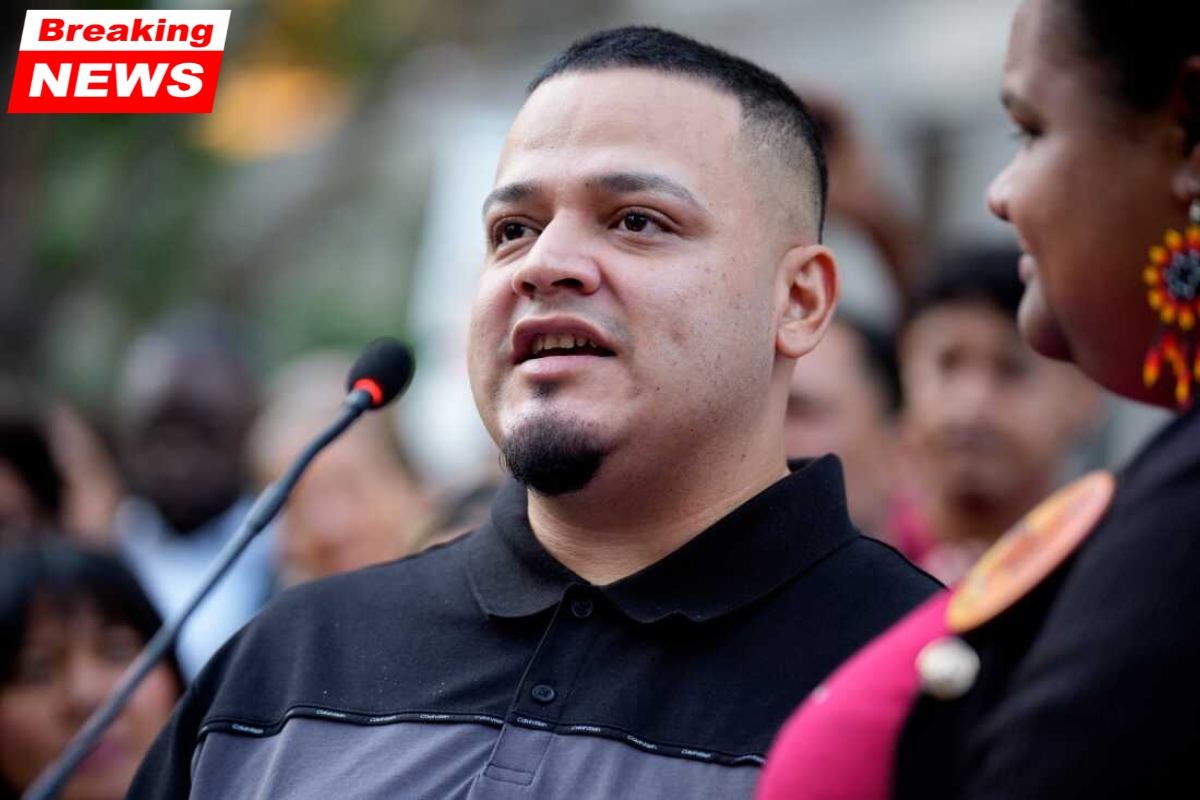
NASHVILLE, Tenn. — A federal judge has dismissed the human smuggling case against Kilmar Abrego Garcia, finding that the Justice Department’s prosecution was motivated by retaliation after Abrego Garcia successfully challenged his mistaken deportation to El Salvador last year.
The ruling marks a significant rebuke of the Justice Department under former President Donald Trump, which has faced criticism for politicized prosecutions.
U.S. District Judge Waverly Crenshaw granted Abrego Garcia’s motion to dismiss for “selective or vindictive prosecution,” stating that without Abrego Garcia’s lawsuit challenging his deportation, the government would not have brought criminal charges.
Background of the Case
Abrego Garcia’s deportation had become a political embarrassment for Trump officials after a federal court ordered his return to the U.S. He claimed that the timing of the criminal charges and public statements by top Trump officials demonstrated a vindictive prosecution.
The charges against him included human smuggling and conspiracy to commit human smuggling, alleging that he accepted money to transport people illegally within the United States.
The charges originated from a 2022 traffic stop in Tennessee for speeding, during which body camera footage showed a calm interaction between Abrego Garcia and a Tennessee Highway Patrol officer. Nine passengers were in the car, and officers suspected smuggling, but Abrego Garcia was allowed to continue driving with only a warning.
Judge’s Findings on Vindictiveness
Judge Crenshaw did not find “actual vindictiveness,” a high legal standard requiring explicit evidence that charges were filed in retaliation.
However, the judge determined there was enough evidence of presumptive vindictiveness. The factors included the timing of the indictment, statements by then-U.S. Deputy Attorney General Todd Blanche, and close supervision of the case by top Justice Department officials.
The judge noted that the government failed to rebut the presumption adequately. Prosecutors did not call the official who reopened the case to testify and instead relied on “secondhand testimony.” Crenshaw wrote that the timing was central to the presumption of vindictiveness: Homeland Security had known about the traffic stop for two years, had closed the case, and only reopened it after the Supreme Court ruled Abrego Garcia should be returned to the U.S.
Abrego Garcia’s Immigration Status and Risks
Abrego Garcia, a Salvadoran citizen, has lived in Maryland for years with his American wife and child. He entered the U.S. illegally as a teenager.
His deportation violated a 2019 immigration court order granting him protection from deportation to El Salvador, where he faced threats from a gang targeting his family.
The 2019 order allowed him to live and work in the U.S. under Immigration and Customs Enforcement supervision but did not grant residency status.
Although the dismissal resolved the criminal case, Abrego Garcia’s future in the U.S. remains uncertain. Federal authorities have threatened to deport him to other countries, including Liberia.
Public and Legal Reactions
Abrego Garcia’s defense team said in a statement, “Kilmar Abrego Garcia is a victim of a politicized, vindictive White House and its lawyers at what used to be an independent Justice Department. We are so pleased that he is a free man.”
The Justice Department announced plans to appeal, calling the ruling “wrong and dangerous.” Supporters, including the group We are CASA, celebrated the ruling. Abrego Garcia said, “Justice is a big word and an even bigger promise to fulfill; and I am grateful that today, justice has taken a step forward.”
Summary Table of Key Facts
| Item | Details |
|---|---|
| Defendant | Kilmar Abrego Garcia |
| Charges | Human smuggling, conspiracy to commit human smuggling |
| Court | U.S. District Court, Nashville, Tennessee |
| Judge | Waverly Crenshaw |
| Reason for Dismissal | Selective or vindictive prosecution following deportation lawsuit |
| Traffic Stop | 2022, Tennessee, speeding, nine passengers in vehicle |
| Immigration Status | Salvadoran citizen, protected from deportation since 2019, lives in Maryland with family |
| Next Steps | DOJ plans to appeal; deportation threats continue |
| Supporters | We are CASA, public advocates, defense attorneys |
A federal judge’s dismissal of the criminal charges against Kilmar Abrego Garcia underscores concerns about potential political influence in prosecutions.
While the ruling clears him of human smuggling charges, Abrego Garcia’s immigration status and safety remain uncertain.
The case has drawn national attention and highlights the complexities of immigration enforcement, prosecutorial discretion, and the rights of individuals challenging wrongful deportation.






