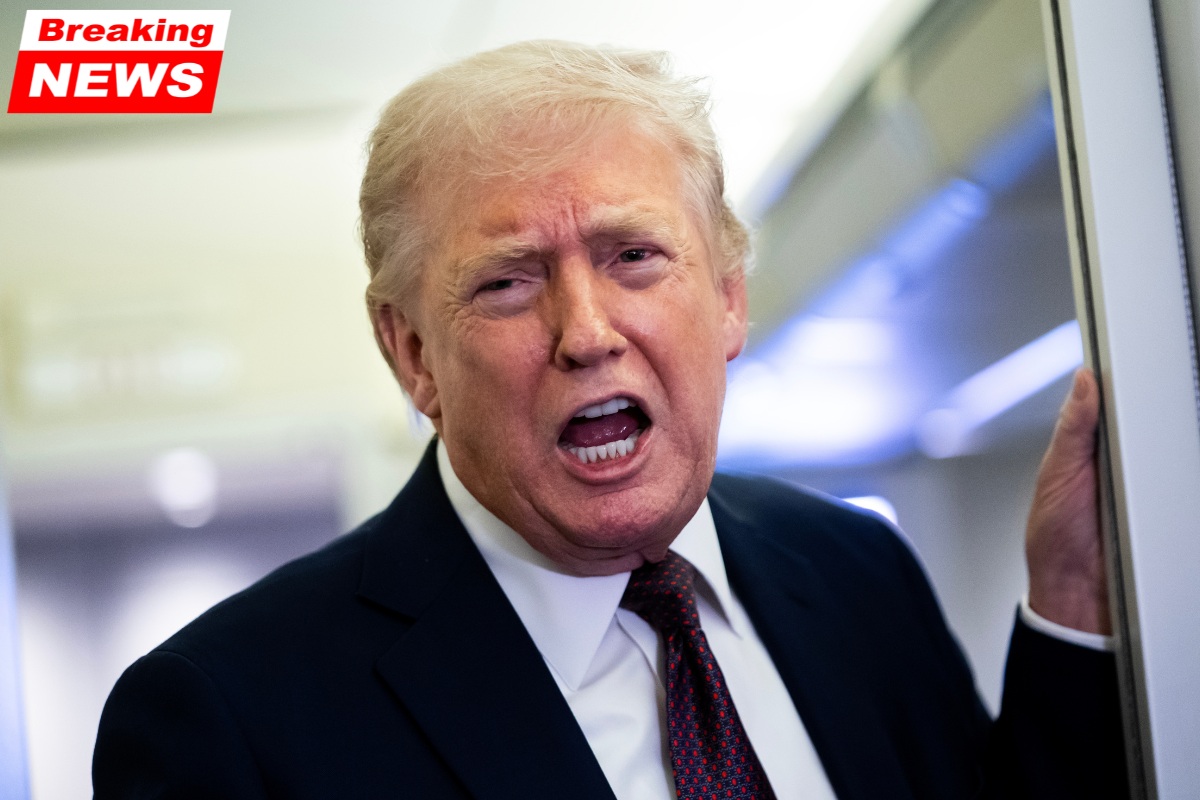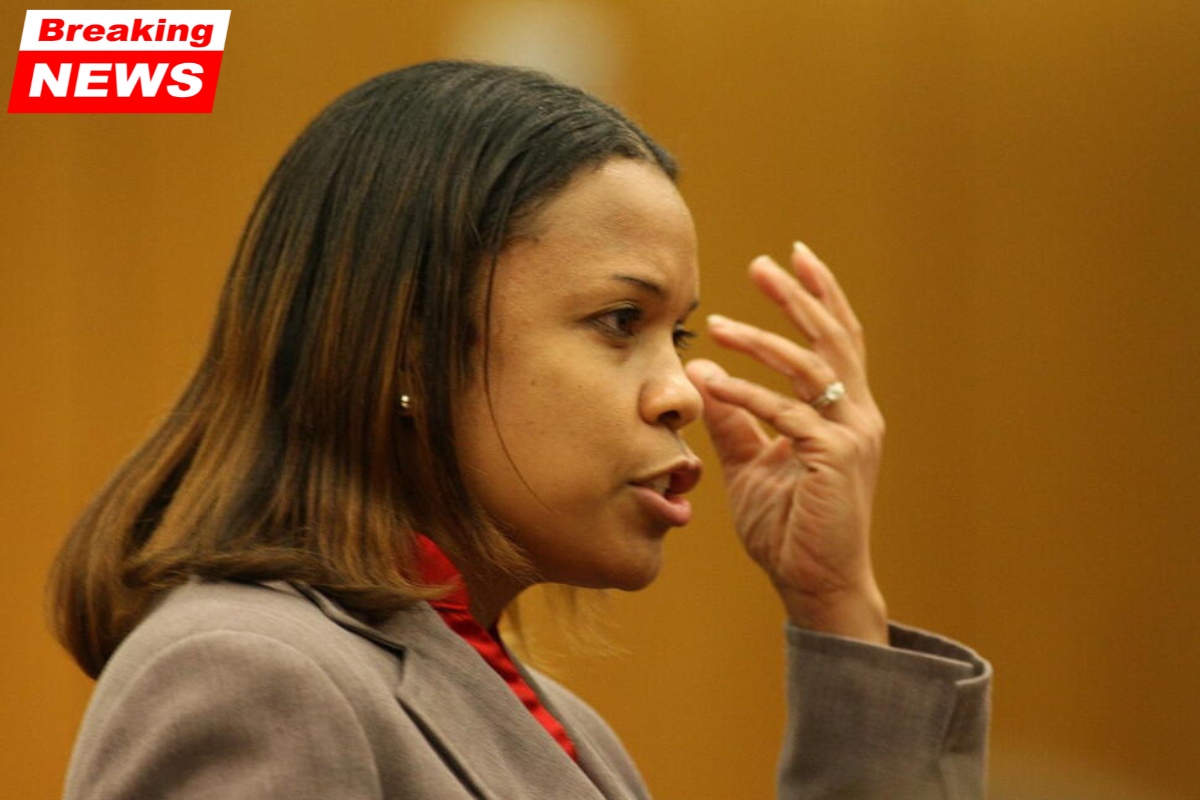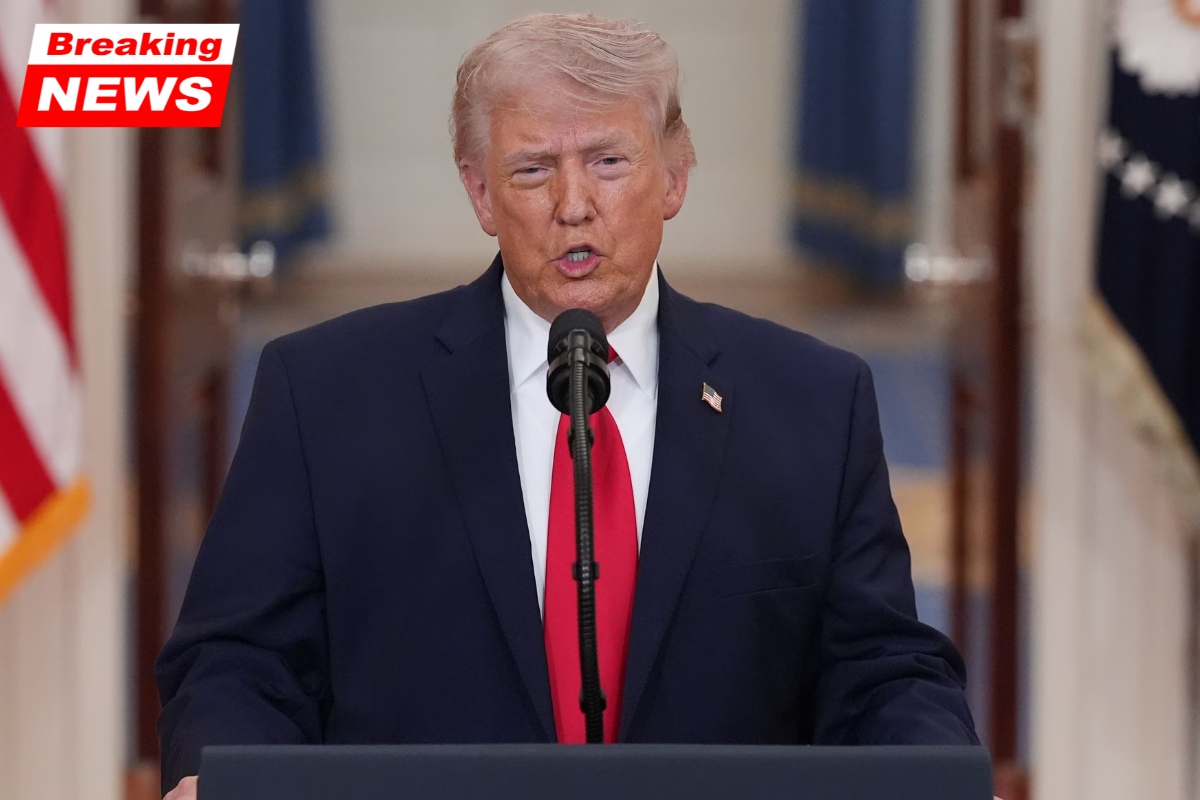
A significant ruling by a federal judge in Boston has temporarily blocked efforts by the Trump administration to collect data from higher education institutions regarding the role of race in admissions decisions. This ruling follows a lawsuit filed earlier this month by a coalition of 17 Democratic state attorneys general.
The Legal Background and the Judge’s Ruling
The lawsuit was filed in response to an executive action issued by President Donald Trump in August, which ordered the collection of data to determine whether universities were considering race in their admissions processes.
This ruling comes after the 2023 Supreme Court decision that banned the use of affirmative action in admissions, although it allowed colleges to still consider how race has shaped students’ lives through personal essays.
The federal judge, U.S. District Court Judge F. Dennis Saylor IV, granted a preliminary injunction, effectively halting the data collection process. Judge Saylor acknowledged that while the federal government may have the authority to collect such data, the manner in which the directive was rolled out was rushed and chaotic.
He specifically noted that the 120-day deadline imposed by the President led to insufficient engagement between the National Center for Education Statistics (NCES) and the affected universities.
The ruling, which applies only to public universities in the plaintiff states, states that the rushed approach failed to allow adequate time for universities to provide meaningful feedback or address concerns raised during the notice-and-comment period.
Controversy Over Data Collection and Its Implications
President Trump ordered the data collection out of concerns that colleges were using personal statements and other indirect measures to consider race, which he viewed as discriminatory. This move followed the 2023 Supreme Court ruling, which declared affirmative action unconstitutional but permitted the inclusion of race-related information in student essays.
The coalition of 17 Democratic state attorneys general argued that the Trump administration’s effort would violate student privacy and lead to unnecessary investigations into university practices.
The plaintiffs contended that universities were not provided enough time to gather and submit the required data, as the deadline was set for March 18, a tight timeframe that didn’t allow for proper preparation.
Michelle Pascucci, a lawyer representing the plaintiffs, argued that the rushed data collection would create problems for universities and seemed designed to uncover unlawful practices.
Education Department’s Defense and Settlement Agreements
On the other side, the U.S. Department of Education defended the initiative, emphasizing that taxpayers deserve transparency regarding how federal funds are being spent by institutions that receive government funding.
The department’s stance is echoed in previous settlement agreements with Brown University and Columbia University, where the institutions agreed to provide data on the race, grade-point average, and standardized test scores of applicants, admitted students, and enrolled students.
This initiative would have seen the National Center for Education Statistics (NCES) collect data about the race and sex of applicants, admitted students, and enrolled students at colleges and universities. Secretary of Education Linda McMahon stated that the data should be disaggregated by race and sex and reported retroactively for the past seven years.
Under the directive, colleges failing to submit accurate and timely data could face penalties, including actions under Title IV of the Higher Education Act of 1965, which outlines requirements for colleges that receive federal financial aid for students.
Ongoing Legal Actions Against Harvard University
In a separate case, the Trump administration also filed a lawsuit against Harvard University for failing to provide admissions data requested by the Justice Department, alleging that the university had not complied with the Supreme Court ruling against affirmative action. Harvard University maintains that it has responded to the government’s requests and is in compliance with the Court’s ruling.
The Education Department’s Office for Civil Rights has given Harvard 20 days to comply with the data request or face referral to the U.S. Justice Department.
Key Takeaways from the Ruling
- Ruling on Data Collection: U.S. District Court Judge F. Dennis Saylor IV blocked the Trump administration’s efforts to collect data on race in college admissions, citing rushed implementation and lack of proper engagement with universities.
- Impact on Public Universities: The ruling only affects public universities in the states that filed the lawsuit.
- Affirmative Action Context: This case is tied to the 2023 Supreme Court ruling on affirmative action, which bans the consideration of race in admissions but allows the inclusion of race-related information through personal essays.
- Data Collection Concerns: The plaintiffs argued that the data collection effort violated student privacy and would lead to unnecessary investigations into universities’ admissions practices.
The Fight Over Race in Admissions Continues
This ruling marks another chapter in the ongoing debate over race and affirmative action in U.S. higher education. While the Trump administration’s efforts to collect data on race in college admissions were temporarily halted, the legal and political fight over this issue is far from over.
Universities, policymakers, and the courts will continue to navigate the complex terrain of affirmative action and its role in shaping admissions practices in the wake of the Supreme Court’s ruling.
As the case progresses, the tension between transparency in education and the protection of student privacy remains a key point of contention. Further legal challenges and appeals are expected as the debate surrounding race in college admissions evolves.