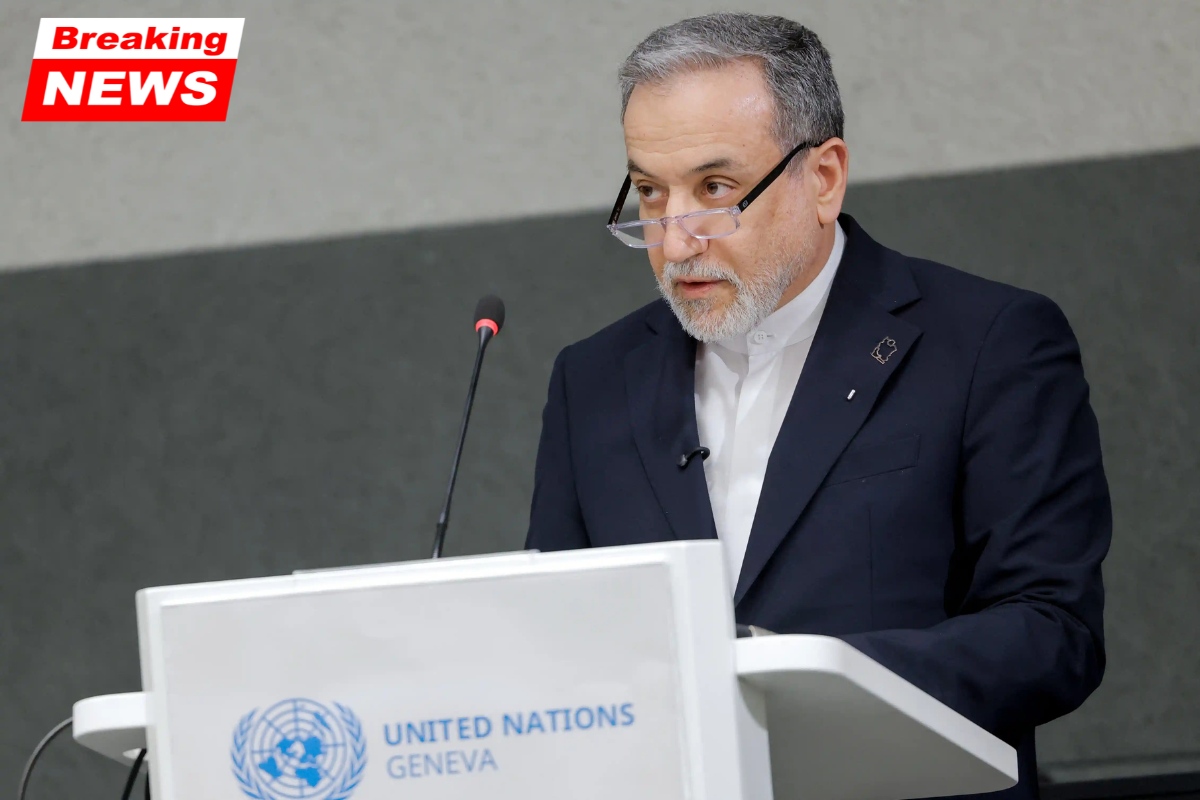
Tensions between Iran and the United States are still high, even as both sides discuss possible ways to stop the ongoing conflict. While Iran says it is not directly negotiating, it is still reviewing a peace proposal sent by the US.
What Iran Has Said About Talks
Iran’s Foreign Minister Abbas Araghchi clearly stated that Iran does not want direct talks with the US. However, he confirmed that messages are being exchanged through middlemen.
He explained that:
- Message exchange does not mean official negotiations
- Iran is only reviewing the proposal, not agreeing to it
- Final decisions will be taken by top leaders in Tehran
This shows that while communication is happening, both countries are still far from a formal agreement.
Iran’s Conditions to End the War
According to Iranian state media, Iran has rejected the US ceasefire offer and instead shared its own demands. These conditions are quite strict and may be difficult for the US to accept.
Here are the main points from Iran’s proposal:
- A complete stop to attacks and targeted killings
- Strong guarantees that war will not start again
- Full payment for war damages and losses
- Ending the conflict across all regions and allied groups
- Full control over the Strait of Hormuz
These demands highlight that Iran wants both security and compensation before agreeing to peace.
Why the Strait of Hormuz Is Important
The Strait of Hormuz is one of the most important oil routes in the world. A large part of global oil supply passes through this narrow waterway.
Iran’s demand to control it is a major issue because:
- It affects global oil prices
- It impacts international trade
- It gives strong strategic power to whoever controls it
US President Donald Trump even suggested that the US and Iran could jointly control the area, but this idea may not be acceptable to Iran.
Confusion Over Negotiations
There are mixed signals about whether talks are actually happening.
- The US says negotiations are ongoing
- Iran denies any direct talks
- Reports suggest indirect discussions through mediators
Another Iranian news outlet said Iran does not believe in a ceasefire right now. According to them, Iran wants to first achieve its goals in the conflict before considering peace.
How the Conflict Started
The current conflict began on February 28 when the US and Israel carried out strikes against Iran.
Since then:
- Tensions have increased in the region
- Military actions have continued
- Diplomatic efforts have slowly started
Even though peace plans are being discussed, both sides remain firm on their positions.
Key Points Summary
| Topic | Details |
|---|---|
| Iran’s stance | No direct talks, only message exchange |
| US proposal | Peace plan under review |
| Iran’s demand | Control over Strait of Hormuz |
| Ceasefire status | Iran has rejected US offer |
| Conflict start date | February 28 |
| Countries involved | Iran, US, Israel |
The situation between Iran and the United States remains tense and uncertain. While there are small signs of communication, both sides are still far apart in their demands. Iran wants strong guarantees, compensation, and control over key strategic areas, while the US is pushing for a ceasefire. With such big differences, reaching a peaceful solution may take time. For now, the world continues to watch closely, as any decision could impact global oil supply, regional stability, and international relations in a major way.